All posts by pj1junj

How To Choose The Right Ac Power Indicator Light For Your Application

Introduction

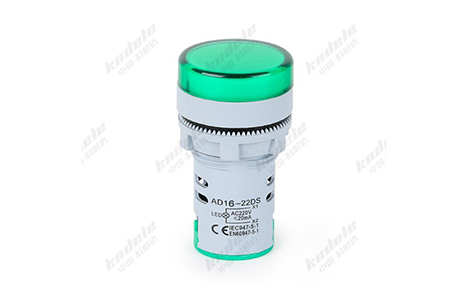
An AC power indicator light is a small yet vital component in electrical systems, offering a visual signal that indicates whether a circuit or device is energized. Selecting the right indicator light is essential for safety, efficiency, and system reliability. With so many types, voltages, and mounting options available, making the right choice can seem overwhelming.
Determine the Voltage Rating

The first step is to match the indicator light to the AC voltage of your system. Using an incorrect voltage rating can damage the light or cause it to malfunction. Common voltage ratings include:

110–120V AC – Typically for household or low-voltage equipment

220–240V AC – Standard for industrial and commercial systems

380–415V AC – Used in three-phase or high-voltage applications

Always check your system specifications before selecting a voltage rating.

Choose Between LED and Neon Indicator Lights

LED Indicator Lights

Energy-efficient and long-lasting

Bright and highly visible

Available in multiple colors

Ideal for modern industrial systems

Neon Indicator Lights

Simple, reliable design

Soft orange or red glow

Low power consumption

Commonly used in older machinery or panels

Your choice depends on your application’s visibility requirements, energy efficiency, and modern compatibility.

Select the Appropriate Mounting Style

AC power indicator lights come in various mounting options to fit panels, control boxes, or equipment:

Panel-Mount – Installed directly on control panels; standard sizes include 8mm, 12mm, 16mm, and 22mm

PCB-Mount – For integration directly onto printed circuit boards

Flush or Surface Mount – Depending on design and space requirements

Choosing the right mounting style ensures secure installation and easy maintenance.

Consider Color Coding

Different colors help convey information quickly:

Red: Power ON, warning, or fault

Green: Normal operation or ready status

Yellow/Amber: Standby, caution, or intermediate status

Blue: Special functions or auxiliary circuits

Color coding improves operational safety and helps technicians identify system status at a glance.

Check Environmental Ratings

Your AC power indicator light must match the environmental conditions of your installation:

IP Rating: For dust or water protection (e.g., IP65 for outdoor or harsh environments)

Temperature Range: Ensure the light can operate safely within your system’s temperature conditions

Vibration Resistance: Important in industrial machinery or mobile equipment

Selecting a robust indicator light enhances reliability and lifespan.

Additional Features

Some AC power indicator lights include:

Built-in resistors or rectifiers for LED operation

Voltage-independent designs for multiple AC ranges

Dual-color LEDs to indicate multiple statuses (e.g., red/green)

Consider these features if your application requires advanced functionality or multiple status signals.

Verify Compliance and Quality

Ensure the AC power indicator light meets electrical safety standards (UL, CE, RoHS, etc.) and is from a reliable manufacturer. Quality assurance ensures safety, long-term reliability, and regulatory compliance.

Conclusion

Choosing the right AC power indicator light involves understanding your system’s voltage, environmental conditions, mounting requirements, and visibility needs. Whether you are designing an industrial control panel, a distribution box, or machinery, selecting the appropriate indicator light improves safety, operational efficiency, and maintenance convenience.

By carefully considering voltage ratings, LED vs. neon options, mounting styles, color coding, and environmental factors, you can select an AC power indicator light that perfectly fits your application.

FAQ About Choosing AC Power Indicator Lights

1.Can I use a lower-voltage AC indicator light on a higher-voltage circuit?

No. Using a lower-voltage indicator light on a higher-voltage circuit can damage the light, create fire hazards, and cause malfunction. Always match the voltage rating to your system.

2.Should I choose LED or neon for my application?

LED indicators are energy-efficient, bright, and long-lasting, suitable for modern industrial or commercial systems.

Neon indicators are simple, reliable, and suitable for low-power or older equipment. Your choice depends on visibility, energy requirements, and equipment compatibility.

3.What does the color of an indicator light mean?

Red: Power ON or warning

Green: Normal operation

Yellow/Amber: Standby or caution

Blue: Special functions or auxiliary circuits

4.How do I know which mounting style to choose?

Panel-mount is common for control panels and distribution boxes.

PCB-mount integrates directly onto circuit boards.

Flush or surface mount depends on space and design requirements.

5.Do AC power indicator lights work in harsh environments?

Yes, if you choose lights with proper IP ratings for dust/water protection and check the temperature and vibration tolerance to match your environment.

6.Are dual-color or multi-function indicator lights available?

Yes. Some LED indicators can show multiple statuses (e.g., red/green) or indicate AC power across different ranges, which is useful for complex systems.

What Is an AC Power Indicator Light and How Does It Work?

Introduction

In electrical systems, quickly identifying whether power is present is critical for safety, troubleshooting, and efficient operation. One small but essential component that serves this purpose is the AC power indicator light. Commonly found in control panels, distribution boxes, machinery, and appliances, these indicator lights provide a clear visual signal of power status.

What Is an AC Power Indicator Light?

An AC power indicator light is a visual signaling device designed to show whether alternating current (AC) power is present in a circuit or system. When the circuit is energized, the indicator light turns on; when power is cut off, the light goes off.

These lights are widely used in:

Electrical control panels

Distribution boards

Industrial machinery

HVAC systems

Power supplies and appliances

Their primary function is status indication, helping operators and technicians quickly confirm whether equipment is powered.

How Does an AC Power Indicator Light Work?

The working principle of an AC power indicator light is relatively simple:

Connection to AC Circuit
The indicator light is connected in parallel with the power supply or load circuit.

AC Voltage Applied
When AC voltage (such as 110V, 220V, or 380V) is present, current flows through the indicator light.

Internal Components Convert Energy

In traditional models, a neon lamp or incandescent bulb illuminates directly from the AC supply.

In modern models, LED indicator lights use internal resistors and rectifier circuits to convert AC into a suitable form for the LED.

Visual Signal Produced
The light emits a steady glow, indicating that power is on.

When the AC supply is disconnected or interrupted, current stops flowing and the indicator light turns off.

Common Types of AC Power Indicator Lights

Neon Indicator Lights

Operate directly on AC voltage

Simple structure and long lifespan

Soft glow, usually orange or red

Common in older panels and appliances

LED AC Indicator Lights

Use LEDs with built-in rectifiers

Low power consumption

Bright, clear visibility

Available in multiple colors (red, green, yellow, blue)

Widely used in modern industrial systems

Panel-Mount Indicator Lights

Designed for installation on control panels or enclosures

Standard mounting sizes (e.g., 8mm, 12mm, 16mm, 22mm)

Often rated for dust and water resistance

Key Voltage Ratings

AC power indicator lights are manufactured for different voltage ranges, such as:

110–120V AC

220–240V AC

380–415V AC

Choosing the correct voltage rating is essential to ensure safe operation and avoid damage.

Applications of AC Power Indicator Lights

AC power indicator lights are used across many industries and systems, including:

Electrical Distribution Panels – Indicate live power status

Industrial Automation – Show machine or system readiness

Control Cabinets – Provide quick visual diagnostics

HVAC Equipment – Confirm power supply to units

Consumer Appliances – Display operating or standby status

In all these applications, they improve safety, reduce troubleshooting time, and enhance operational efficiency.

Benefits of Using AC Power Indicator Lights

Instant Visual Feedback – No need for test instruments

Improved Safety – Helps prevent accidental contact with live circuits

Low Cost & High Reliability – Simple design with long service life

Easy Installation – Compatible with standard panel cutouts

How to Choose the Right AC Power Indicator Light

When selecting an AC power indicator light, consider:

Rated AC voltage

Indicator type (LED or neon)

Mounting size and style

Color coding requirements

Environmental protection (IP rating)

Choosing the correct indicator ensures long-term reliability and compliance with electrical standards.

Conclusion

An AC power indicator light may be small, but it plays a vital role in electrical systems by providing a clear and immediate indication of power status. Whether used in industrial control panels, distribution boxes, or everyday equipment, these devices enhance safety, efficiency, and ease of maintenance.

Understanding how AC power indicator lights work and how to select the right one helps engineers, electricians, and system designers build safer and more reliable electrical systems.

FAQ

What is the difference between a neon and LED AC power indicator light?

Neon lights operate directly on AC voltage, have a soft glow, and are commonly used in older equipment.

LED lights are energy-efficient, brighter, available in multiple colors, and suitable for modern industrial systems.

Can AC power indicator lights work on DC circuits?

No, standard AC power indicator lights are designed for AC voltage. For DC circuits, a DC-rated LED or neon indicator should be used.

How do I choose the correct voltage rating for an AC power indicator light?

Check the operating voltage of your circuit. Using an indicator light rated for a different voltage can cause malfunction or damage.

What do different colors of indicator lights mean?

Common color codes:

Red: Power ON or warning

Green: Normal operation

Yellow/Amber: Standby or caution

Blue: Special function or auxiliary status

Are AC power indicator lights easy to install?

Yes, most are designed for panel mounting with standard cutouts and simple wiring connections.

Factors to Consider Before Buying Electrical Push Button Switches

Introduction

Electrical push button switches are essential components in industrial, commercial, and residential electrical systems. Selecting the right switch is critical to ensure safety, reliability, and efficiency. With various types and designs available in the market, understanding the key factors before making a purchase is crucial.

Type of Push Button Switch

The first factor to consider is the type of switch that suits your application. Push button switches are broadly classified into:

Momentary switches: Activate the circuit only while pressed. Ideal for short-term actions like machine start buttons or doorbells.

Maintained switches: Stay in the new state after being pressed. Suitable for power on/off and mode selection.

Emergency stop switches: Used for safety to immediately stop machinery.

Illuminated switches: Include indicator lights to show the status of the circuit.

Choosing the correct type ensures the switch performs the intended function efficiently.

Electrical Ratings

Push button switches come with specific voltage and current ratings. It is essential to match the switch’s rating with your electrical system to prevent:

Overheating

Short circuits

Premature failure

Always check the manufacturer’s specifications for maximum voltage, current, and power rating before purchasing.

Durability and Material

The material and build quality of the push button switch determine its longevity and suitability for harsh environments. Consider:

Housing material: Plastic, metal, or stainless steel for durability.

Button material: Should withstand frequent pressing without wear.

IP rating: Indicates resistance to dust and water for industrial or outdoor applications.

Durable switches reduce maintenance costs and ensure consistent performance.

Mounting Style

Push button switches are available in various mounting styles, including:

Panel mount: Installed on control panels or dashboards.

PCB mount: Designed for direct mounting on printed circuit boards.

Surface mount: Easy to install on flat surfaces without panels.

Choosing the right mounting style ensures compatibility with your equipment and installation environment.

Safety and Compliance

Safety is a critical factor, especially in industrial environments. Look for switches that comply with:

International standards like IEC, UL, or CE

Safety features such as emergency stop functions, spring return, or lockable mechanisms

Certified switches provide peace of mind and reduce risks of accidents or equipment damage.

Environmental Conditions

Consider the operating environment before choosing a push button switch:

Temperature range: Ensure it works in extreme heat or cold if required.

Humidity and water exposure: Outdoor or wet environments may require IP65 or higher-rated switches.

Dust and debris: Industrial environments may need sealed or ruggedized switches.

Selecting a switch suitable for the environment increases reliability and lifespan.

Cost vs. Quality

While budget is important, prioritize quality over cost. High-quality switches offer:

Better reliability and longevity

Enhanced safety

Reduced maintenance and downtime

Investing in the right switch upfront saves money in the long run.

Conclusion

Choosing the right electrical push button switch involves careful consideration of type, electrical rating, durability, mounting style, safety, environmental conditions, and cost. By evaluating these factors, you can ensure the switch performs reliably, safely, and efficiently in your application, whether it’s for industrial machinery, commercial equipment, or home appliances.

FAQ

Q1: How do I know which type of push button switch to choose?
Identify your application: momentary for short actions, maintained for continuous operation, or emergency stop for safety.

Q2: What is the importance of IP rating in push button switches?
IP rating indicates protection against dust and water. Higher IP ratings are necessary for outdoor or industrial environments.

Q3: Are all push button switches safe to use in industrial settings?
Not necessarily. Always check for safety certifications such as UL, CE, or IEC compliance.

Q4: Should I prioritize cost or quality when buying a push button switch?
Quality should be prioritized, as reliable switches reduce downtime, maintenance, and safety risks.

Applications of Electrical Push Button Switches in Industrial Automation

Introduction

Electrical push button switches are one of the most essential components in industrial automation. Despite their simple design, these switches play a critical role in controlling machinery, managing safety protocols, and streamlining operations. Understanding their applications can help engineers and technicians design efficient and safe industrial systems.

What Are Electrical Push Button Switches?

An electrical push button switch is a type of switch that opens or closes an electrical circuit when pressed. In industrial automation, push buttons are used for starting and stopping machines, initiating processes, or activating emergency protocols. They are designed to provide quick, reliable control in industrial environments.

Key Features in Industrial Use:

Durable and long-lasting

Capable of handling high currents and voltages

Available in different types: momentary, maintained, illuminated, and emergency stop

Key Applications in Industrial Automation

Machine Start and Stop Control

Push button switches are widely used for starting and stopping industrial machines. Operators can quickly turn equipment on or off, providing precise control over production lines.

Example Applications:

CNC machines

Conveyor systems

Packaging equipment

Emergency Stop Systems

Safety is paramount in industrial settings. Emergency stop (E-stop) push buttons allow operators to instantly halt machinery in case of hazards, preventing accidents and equipment damage.

Key Features of E-Stop Switches:

Mushroom-shaped for easy accessibility

Latches until manually reset

Often integrated with industrial safety circuits

Mode Selection and Process Control

Maintained push buttons are often used to switch between different operating modes or processes on industrial machines. This ensures that production lines can be flexibly adjusted to meet changing requirements.

Example Applications:

Selecting manual, semi-automatic, or automatic modes on assembly machines

Switching between different conveyor speeds

Signaling and Status Indication

Illuminated push button switches provide visual feedback to operators about the status of a machine or process. For example, a green light may indicate normal operation, while red may signal a fault.

Example Applications:

Control panels in factories

Status indication in robotic assembly lines

Signaling in packaging machines

Reset and Safety Interlock Functions

Spring-return push buttons are commonly used for temporary functions such as resetting alarms, interlocks, or control sequences. They provide reliable short-term activation without manual intervention.

Example Applications:

Resetting safety circuits after a fault

Temporary activation of auxiliary machinery

Triggering short-term processes

Benefits of Using Push Button Switches in Industrial Automation

Reliability: Durable designs withstand harsh industrial environments.

Safety: Emergency stop and interlock functions protect personnel and machinery.

Efficiency: Quick and precise control improves production workflow.

Flexibility: Available in multiple types and configurations for diverse industrial needs.

Conclusion

Electrical push button switches are simple yet indispensable components in industrial automation. From machine control and emergency stops to process selection and signaling, they provide operators with safe, reliable, and efficient control over industrial systems. Choosing the right type of push button switch ensures optimal performance, safety, and productivity in any industrial setting.

FAQ

Q1: What types of push buttons are commonly used in industrial automation?
Momentary, maintained, illuminated, emergency stop, and spring-return push buttons are most commonly used.

Q2: Why are emergency stop push buttons important?
They allow operators to instantly stop machinery during emergencies, preventing accidents and equipment damage.

Q3: Can push buttons handle high-power industrial equipment?
Yes, industrial push buttons are rated for high currents and voltages and are designed to operate safely in demanding environments.

Q4: How do illuminated push buttons improve operations?
They provide visual feedback to operators, helping monitor machine status and reduce operational errors.

Top 5 Types of Electrical Push Button Switches You Should Know

Introduction

Electrical push button switches are small but essential components in modern electrical and electronic systems. From industrial machinery to home appliances, they provide simple, reliable control for various devices. Understanding the different types of push button switches is crucial for engineers, electricians, and DIY enthusiasts. In this article, we’ll explore the top 5 types of electrical push button switches you should know.

Momentary Push Button Switch

Definition: A momentary push button switch only activates the circuit while it is being pressed. Once released, it returns to its original state.

Features:

Normally Open (NO) or Normally Closed (NC) configuration

Spring-return mechanism for automatic reset

Applications:

Doorbells

Keyboards

Machine start buttons

Why it matters: Momentary switches are perfect for short, temporary actions where continuous operation is not required.

Maintained Push Button Switch

Definition: A maintained push button switch changes its circuit state when pressed and remains in that state until pressed again.

Features:

Push-to-lock mechanism

Can be NO or NC type

Applications:

Power on/off switches for machinery

Mode selection in industrial panels

Why it matters: Maintained switches are ideal when you need the switch to “stay on” without holding it down.

Illuminated Push Button Switch

Definition: An illuminated push button switch has a built-in indicator light that turns on when the switch is activated.

Features:

Visual feedback for operation status

Available in multiple colors

Momentary or maintained types

Applications:

Control panels

Emergency stop systems

Signal and indicator devices

Why it matters: These switches improve usability by providing a clear indication of circuit status, enhancing safety and user experience.

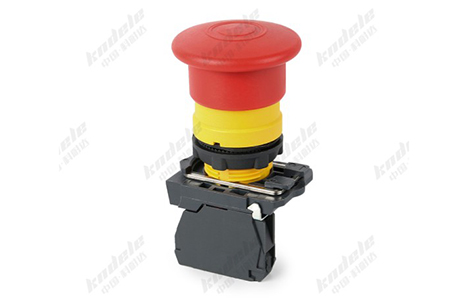
Emergency Stop (E-Stop) Push Button

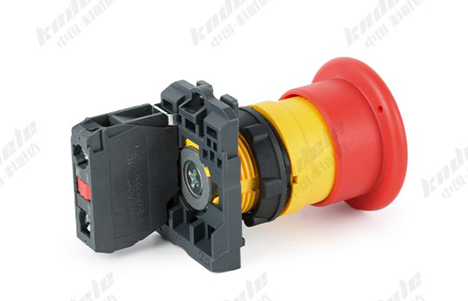
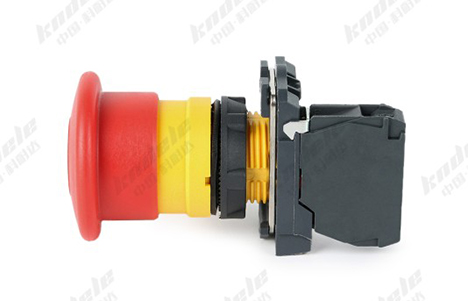
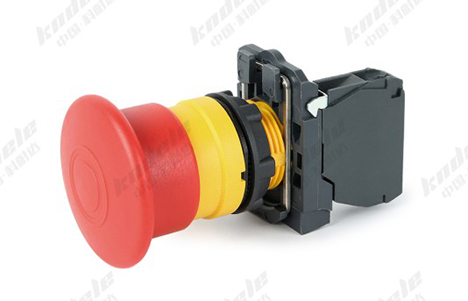
Definition: An emergency stop push button is a large, easily accessible button designed to immediately stop machinery in case of an emergency.

Features:

Usually red and mushroom-shaped

Latches until manually reset

Meets safety standards for industrial equipment

Applications:

Industrial machinery

Conveyor belts

Robotics systems

Why it matters: E-stop switches are a critical safety component, preventing accidents and equipment damage.

Spring-Return Push Button Switch

Definition: A spring-return push button uses a spring mechanism to automatically return the switch to its default position after being pressed.

Features:

Short-term activation

Often combined with NO or NC contacts

Applications:

Device resets

Momentary operations on control panels

Why it matters: Spring-return switches ensure temporary action without manual reset, making them reliable for repetitive operations.

Conclusion

Understanding the top 5 types of electrical push button switches—momentary, maintained, illuminated, emergency stop, and spring-return—can help you choose the right switch for your project. Whether you are designing industrial control systems, consumer electronics, or home appliances, selecting the correct push button switch ensures safety, efficiency, and reliability.

FAQ

Q1: What is the difference between momentary and maintained push buttons?
Momentary switches work only while pressed, whereas maintained switches stay in their new state after being pressed.

Q2: Why choose an illuminated push button?
Illuminated switches provide visual feedback, helping users easily see whether the circuit is active.

Q3: Are emergency stop push buttons mandatory in industrial machinery?
Yes, E-stop buttons are a critical safety requirement in most industrial applications.

Q4: Can spring-return push buttons be used in high-current circuits?
Yes, but you must select a switch rated for the appropriate voltage and current.

Understanding Electrical Push Button Switches: Types, Functions, and Applications

Introduction

Electrical push button switches are fundamental components in both industrial and residential electrical systems. Despite their small size, they play a crucial role in controlling circuits, machinery, and devices. Understanding the types, functions, and applications of these switches is essential for engineers, electricians, and hobbyists alike.

What is an Electrical Push Button Switch?

An electrical push button switch is a momentary or maintained switch that activates or deactivates a circuit when pressed. Unlike toggle switches, which maintain their position, push buttons can be designed to return to their default state immediately after being pressed or stay in their position until pressed again.

Key Features:

Compact design: Fits easily into panels and control boards.

Simple operation: Activated by a single push.

Versatility: Suitable for a wide range of applications, from home appliances to industrial machinery.

Types of Electrical Push Button Switches

Electrical push button switches come in various designs, each suited for specific applications:

Momentary Push Button Switch

Definition: Activates the circuit only while being pressed.

Applications: Doorbells, keyboards, machine start buttons.

Example: A normally open (NO) push button closes the circuit only when pressed.

Maintained Push Button Switch

Definition: Changes the circuit state when pressed and retains that state until pressed again.

Applications: Power on/off switches, mode selectors.

Example: A push-to-lock switch used in industrial machines.

Illuminated Push Button Switch

Definition: Includes a built-in light indicator that illuminates when the switch is activated.

Applications: Control panels, emergency stop systems, signaling devices.

Example: Start/stop buttons on production line machinery.

Emergency Stop Push Button

Definition: A large, easily accessible button designed to quickly stop machinery in an emergency.

Applications: Industrial machines, conveyor belts, robotic systems.

Safety Note: Often colored red and mushroom-shaped for visibility and accessibility.

Spring-Return Push Button

Definition: Returns to its original position after being pressed, using a spring mechanism.

Applications: Momentary functions like resetting a device or triggering a short-term operation.

Functions of Push Button Switches

Push button switches are used for a variety of functions, including:

Circuit Control: Starting or stopping a circuit.

Mode Selection: Switching between different operating modes.

Signaling: Providing visual or audio feedback.

Safety Mechanisms: Emergency stops or resets.

Applications of Electrical Push Button Switches

Electrical push button switches are widely used across industries and applications:

Industrial Automation

Control machinery, conveyor belts, and robotic arms.

Ensure safety with emergency stop buttons.

Home Appliances

Activate appliances such as blenders, washing machines, and coffee makers.

Consumer Electronics

Keyboards, calculators, and gaming devices rely on precise push button switches.

Control Panels

Used in power plants, factories, and data centers to manage complex operations.

Automotive

Push start systems, horn switches, and lighting controls.

Choosing the Right Push Button Switch

When selecting a push button switch, consider the following factors:

Electrical rating: Voltage and current capacity.

Switch type: Momentary or maintained.

Environment: Indoor or outdoor, temperature, humidity.

Safety requirements: Emergency stop or illuminated options.

Mounting style: Panel mount, PCB mount, or surface mount.

Conclusion

Electrical push button switches may seem simple, but they are versatile and essential components in modern electrical systems. By understanding the types, functions, and applications, you can select the right switch for your project, ensuring safety, reliability, and efficiency. Whether for industrial automation, home appliances, or electronics, push button switches remain a cornerstone of control systems.

FAQ

What is the difference between a momentary and a maintained push button switch?

A momentary switch only activates the circuit while being pressed and returns to its default state once released. A maintained switch changes the circuit state when pressed and keeps that state until pressed again.

Can push button switches handle high voltage applications?

Yes, but you must choose a switch with the appropriate voltage and current rating. Always check the manufacturer’s specifications to ensure safe operation.

What is an emergency stop push button?

An emergency stop (E-stop) push button is a safety device designed to immediately stop machinery or equipment during an emergency. They are usually red and mushroom-shaped for easy access.

Are illuminated push buttons necessary?

Illuminated push buttons are not always required but are very useful in control panels and industrial environments, as they provide visual feedback indicating whether a circuit is active.