


Electrical push button switches are one of the most essential components in industrial automation. Despite their simple design, these switches play a critical role in controlling machinery, managing safety protocols, and streamlining operations. Understanding their applications can help engineers and technicians design efficient and safe industrial systems.
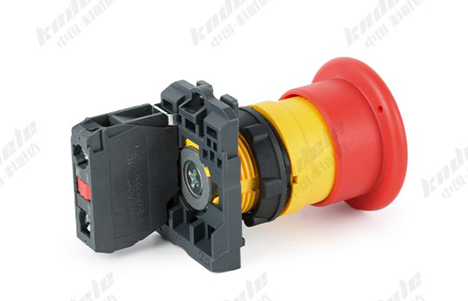 What Are Electrical Push Button Switches?
An electrical push button switch is a type of switch that opens or closes an electrical circuit when pressed. In industrial automation, push buttons are used for starting and stopping machines, initiating processes, or activating emergency protocols. They are designed to provide quick, reliable control in industrial environments.
Durable and long-lasting
Capable of handling high currents and voltages
Available in different types: momentary, maintained, illuminated, and emergency stop
Push button switches are widely used for starting and stopping industrial machines. Operators can quickly turn equipment on or off, providing precise control over production lines.
Example Applications:
CNC machines
Conveyor systems
Packaging equipment
Safety is paramount in industrial settings. Emergency stop (E-stop) push buttons allow operators to instantly halt machinery in case of hazards, preventing accidents and equipment damage.
Key Features of E-Stop Switches:
Mushroom-shaped for easy accessibility
Latches until manually reset
Often integrated with industrial safety circuits
Maintained push buttons are often used to switch between different operating modes or processes on industrial machines. This ensures that production lines can be flexibly adjusted to meet changing requirements.
Example Applications:
Selecting manual, semi-automatic, or automatic modes on assembly machines
Switching between different conveyor speeds
Illuminated push button switches provide visual feedback to operators about the status of a machine or process. For example, a green light may indicate normal operation, while red may signal a fault.
Example Applications:
Control panels in factories
Status indication in robotic assembly lines
Signaling in packaging machines
Spring-return push buttons are commonly used for temporary functions such as resetting alarms, interlocks, or control sequences. They provide reliable short-term activation without manual intervention.
Example Applications:
Resetting safety circuits after a fault
Temporary activation of auxiliary machinery
Triggering short-term processes
Reliability: Durable designs withstand harsh industrial environments.
Safety: Emergency stop and interlock functions protect personnel and machinery.
Efficiency: Quick and precise control improves production workflow.
Flexibility: Available in multiple types and configurations for diverse industrial needs.
Electrical push button switches are simple yet indispensable components in industrial automation. From machine control and emergency stops to process selection and signaling, they provide operators with safe, reliable, and efficient control over industrial systems. Choosing the right type of push button switch ensures optimal performance, safety, and productivity in any industrial setting.
Q1: What types of push buttons are commonly used in industrial automation?
Momentary, maintained, illuminated, emergency stop, and spring-return push buttons are most commonly used.
Q2: Why are emergency stop push buttons important?
They allow operators to instantly stop machinery during emergencies, preventing accidents and equipment damage.
Q3: Can push buttons handle high-power industrial equipment?
Yes, industrial push buttons are rated for high currents and voltages and are designed to operate safely in demanding environments.
Q4: How do illuminated push buttons improve operations?
They provide visual feedback to operators, helping monitor machine status and reduce operational errors.

