


Electrical push button switches are small but essential components in modern electrical and electronic systems. From industrial machinery to home appliances, they provide simple, reliable control for various devices. Understanding the different types of push button switches is crucial for engineers, electricians, and DIY enthusiasts. In this article, we’ll explore the top 5 types of electrical push button switches you should know.
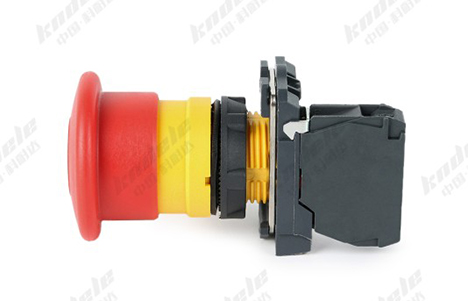 Momentary Push Button Switch
Definition: A momentary push button switch only activates the circuit while it is being pressed. Once released, it returns to its original state.
Features:
Normally Open (NO) or Normally Closed (NC) configuration
Spring-return mechanism for automatic reset
Applications:
Doorbells
Keyboards
Machine start buttons
Why it matters: Momentary switches are perfect for short, temporary actions where continuous operation is not required.
Definition: A maintained push button switch changes its circuit state when pressed and remains in that state until pressed again.
Features:
Push-to-lock mechanism
Can be NO or NC type
Applications:
Power on/off switches for machinery
Mode selection in industrial panels
Why it matters: Maintained switches are ideal when you need the switch to “stay on” without holding it down.
Definition: An illuminated push button switch has a built-in indicator light that turns on when the switch is activated.
Features:
Visual feedback for operation status
Available in multiple colors
Momentary or maintained types
Applications:
Control panels
Emergency stop systems
Signal and indicator devices
Why it matters: These switches improve usability by providing a clear indication of circuit status, enhancing safety and user experience.
Definition: An emergency stop push button is a large, easily accessible button designed to immediately stop machinery in case of an emergency.
Features:
Usually red and mushroom-shaped
Latches until manually reset
Meets safety standards for industrial equipment
Applications:
Industrial machinery
Conveyor belts
Robotics systems
Why it matters: E-stop switches are a critical safety component, preventing accidents and equipment damage.
Definition: A spring-return push button uses a spring mechanism to automatically return the switch to its default position after being pressed.
Features:
Short-term activation
Often combined with NO or NC contacts
Applications:
Device resets
Momentary operations on control panels
Why it matters: Spring-return switches ensure temporary action without manual reset, making them reliable for repetitive operations.
Understanding the top 5 types of electrical push button switches—momentary, maintained, illuminated, emergency stop, and spring-return—can help you choose the right switch for your project. Whether you are designing industrial control systems, consumer electronics, or home appliances, selecting the correct push button switch ensures safety, efficiency, and reliability.
Q1: What is the difference between momentary and maintained push buttons?
Momentary switches work only while pressed, whereas maintained switches stay in their new state after being pressed.
Q2: Why choose an illuminated push button?
Illuminated switches provide visual feedback, helping users easily see whether the circuit is active.
Q3: Are emergency stop push buttons mandatory in industrial machinery?
Yes, E-stop buttons are a critical safety requirement in most industrial applications.
Q4: Can spring-return push buttons be used in high-current circuits?
Yes, but you must select a switch rated for the appropriate voltage and current.

