


Electrical push button switches are essential components in industrial, commercial, and residential electrical systems. Selecting the right switch is critical to ensure safety, reliability, and efficiency. With various types and designs available in the market, understanding the key factors before making a purchase is crucial.
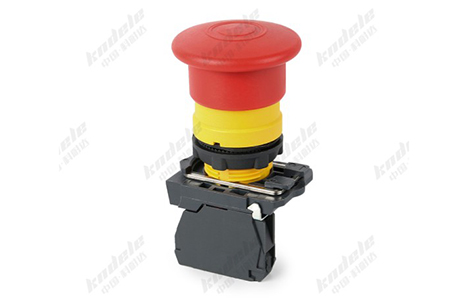 Type of Push Button Switch
The first factor to consider is the type of switch that suits your application. Push button switches are broadly classified into:
Momentary switches: Activate the circuit only while pressed. Ideal for short-term actions like machine start buttons or doorbells.
Maintained switches: Stay in the new state after being pressed. Suitable for power on/off and mode selection.
Emergency stop switches: Used for safety to immediately stop machinery.
Illuminated switches: Include indicator lights to show the status of the circuit.
Choosing the correct type ensures the switch performs the intended function efficiently.
Push button switches come with specific voltage and current ratings. It is essential to match the switch’s rating with your electrical system to prevent:
Overheating
Short circuits
Premature failure
Always check the manufacturer’s specifications for maximum voltage, current, and power rating before purchasing.
The material and build quality of the push button switch determine its longevity and suitability for harsh environments. Consider:
Housing material: Plastic, metal, or stainless steel for durability.
Button material: Should withstand frequent pressing without wear.
IP rating: Indicates resistance to dust and water for industrial or outdoor applications.
Durable switches reduce maintenance costs and ensure consistent performance.
Push button switches are available in various mounting styles, including:
Panel mount: Installed on control panels or dashboards.
PCB mount: Designed for direct mounting on printed circuit boards.
Surface mount: Easy to install on flat surfaces without panels.
Choosing the right mounting style ensures compatibility with your equipment and installation environment.
Safety is a critical factor, especially in industrial environments. Look for switches that comply with:
International standards like IEC, UL, or CE
Safety features such as emergency stop functions, spring return, or lockable mechanisms
Certified switches provide peace of mind and reduce risks of accidents or equipment damage.
Consider the operating environment before choosing a push button switch:
Temperature range: Ensure it works in extreme heat or cold if required.
Humidity and water exposure: Outdoor or wet environments may require IP65 or higher-rated switches.
Dust and debris: Industrial environments may need sealed or ruggedized switches.
Selecting a switch suitable for the environment increases reliability and lifespan.
While budget is important, prioritize quality over cost. High-quality switches offer:
Better reliability and longevity
Enhanced safety
Reduced maintenance and downtime
Investing in the right switch upfront saves money in the long run.
Choosing the right electrical push button switch involves careful consideration of type, electrical rating, durability, mounting style, safety, environmental conditions, and cost. By evaluating these factors, you can ensure the switch performs reliably, safely, and efficiently in your application, whether it’s for industrial machinery, commercial equipment, or home appliances.
Q1: How do I know which type of push button switch to choose?
Identify your application: momentary for short actions, maintained for continuous operation, or emergency stop for safety.
Q2: What is the importance of IP rating in push button switches?
IP rating indicates protection against dust and water. Higher IP ratings are necessary for outdoor or industrial environments.
Q3: Are all push button switches safe to use in industrial settings?
Not necessarily. Always check for safety certifications such as UL, CE, or IEC compliance.
Q4: Should I prioritize cost or quality when buying a push button switch?
Quality should be prioritized, as reliable switches reduce downtime, maintenance, and safety risks.

