


Introduction
A push button switch is a simple yet powerful control device that we use every day. From the start button on your coffee machine to the emergency stop switch on industrial equipment, these tiny control devices quietly power modern life. Push button switches are used every day in our lives and are also an essential part of complex industrial systems. This blog will show you all the different ways you can use it.
What Is A Push Button Switch?
 Push button switches are a simple control device. Whether it is NO (normally open) or NC (normally closed) contacts, the basic principle is very simple. You can use it to turn an electrical device on or off by pressing the button. There are different types of these things. You can tell the difference by looking at them, how they work and what they are made of. They are used in lots of different equipment and places.
Push Button Switch Application
Push button switches are incredibly versatile. Here are some common push button switch uses across industries:
Industrial Automation Systems
 In industrial automation, push buttons are used to start and stop production lines, operate robots, and control conveyor belts. These switches are built to withstand harsh environments and frequent use.
Electrical Control Panels
Push buttons are essential in electrical control panels. Operators use them to initiate machine operations, reset faults, and manage equipment safely. Panel-mounted push buttons often come with LED indicators for better circuit control feedback.
Emergency Stop and Safety Systems
Safety first. Emergency stop (E-Stop) push button switches are bright red, easy to spot, and critical in shutting down operations instantly during emergencies. They prevent accidents and equipment damage.

Machinery and Motor Start/Stop Control
Starter push button switches are key in starting and stopping motors. Whether it’s a CNC machine, a packaging unit, or a manufacturing robot, these buttons ensure quick control over machinery.
Building and Access Systems
Think of automatic doors, access control panels, or security systems. Push buttons are widely used to manage entry and exit points securely and efficiently.
Elevator and Transportation Equipment
Elevator control panels rely heavily on push button switches. Each floor button, alarm button, and door open/close control is handled by durable push buttons built for repetitive use.
Automotive Industry
Inside vehicles, push button switches handle functions like engine start/stop, window controls, and even lighting systems. Modern cars depend heavily on reliable button push mechanisms.
Telecommunications Equipment
In communication hubs and server rooms, push button switches are used for system resets, manual overrides, and network management tasks. They provide critical hands-on control for complex systems.
Push Button Switches Types
Push button switches come in different types to suit specific applications. Here are some key push button switch types:
2-Position Push Button Switches

These switches offer two distinct positions, typically ON and OFF. They are simple, reliable, and used for straightforward circuit control.
Dual Push Button Switches
Dual push buttons combine two buttons into one unit—usually green for start and red for stop. Common in motor control applications, they offer convenient management of machinery.
Panel Mounted Push Button Switches

Mounted onto control panels, these switches are designed for high-visibility and easy access. They often include protective features like dust covers and are critical in industrial settings.
Metal Push Button Switch
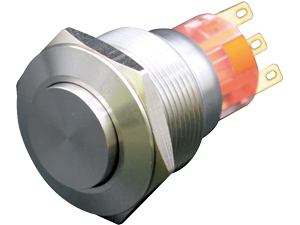
Metal push buttons are durable and resistant to wear, corrosion, and vandalism. They are ideal for outdoor applications, heavy industries, and public access systems.
Momentary Push Button Switch

A momentary push button switch is activated only while pressed. It returns to its default state when released. Think about the “doorbell” push button—a classic example of a momentary push button switch.
Latching Push Button Switch
Latching switches maintain their position after being pressed. One push turns the circuit ON; another push turns it OFF. They are common in power control systems and circuit breakers.
Illuminated Push Button Switch
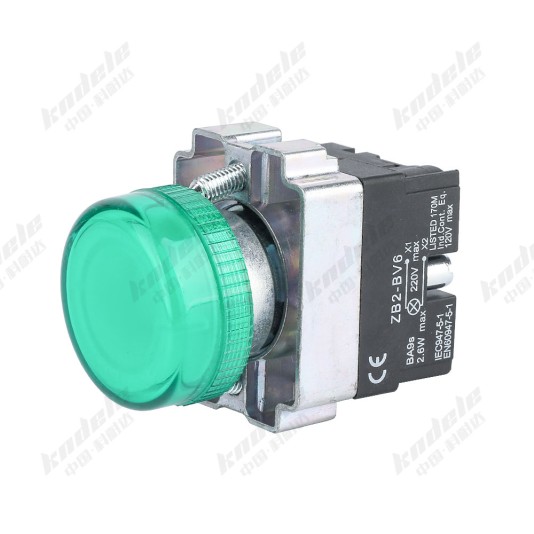
These switches come with built-in lighting (often LED) that provides visual feedback. Illuminated switches enhance control device visibility in low-light or industrial environments.
Mushroom Head Push Button Switch
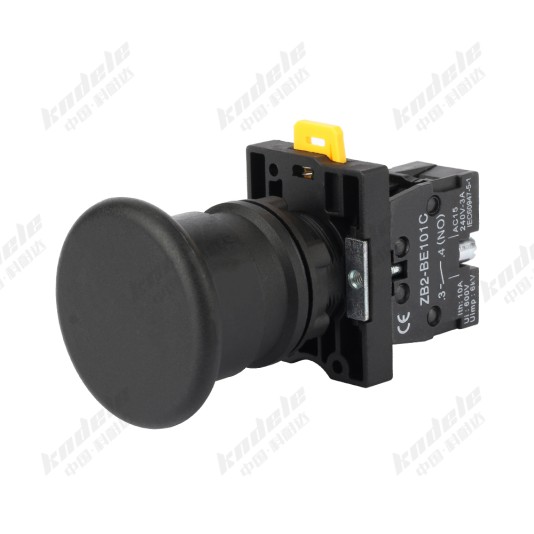
Designed for emergency stops, mushroom head push buttons are large, easily recognizable, and built for fast access. They are often featured in emergency stop and safety systems.
Advantages of Push Button Switches in Industrial Applications
Push button switches offer numerous advantages in industrial settings:
- Reliability: Designed for repeated use without failure.
- Durability: Built to endure harsh environments, temperature fluctuations, and mechanical stress.
- Ease of Use: Simple operation reduces training time and errors.
- Versatility: Suitable for countless applications, from circuit control to machinery operation.
- Compact Design: Fits neatly into panels without taking up much space.
- Customization: Options include various actuator shapes, colors, NO and NC contacts, and illumination features.
In industrial automation, these advantages make push button switches an indispensable component.
Choosing the Right Push Button Switch
 Selecting the right push button switch is crucial. Here are key factors to consider:
- Application Type: Define where and how the switch will be used. (E.g., control panels, machinery, public terminals)
- Momentary vs Latching: Decide whether you need a momentary switch (returns to default) or a latching switch (maintains state).
- Environment: Check if the environment is harsh, dusty, wet, or prone to vandalism.
- Electrical Rating: Ensure the switch can handle the expected voltage and current.
- Switch Contacts: Choose appropriate NO and NC contacts based on your circuit design.
- Mounting Style: Panel-mounted? PCB-mounted? Choose accordingly.
- Material and Build: For rugged use, metal push button switches are ideal.
- Visual Indicators: Illuminated push buttons are perfect for environments requiring visual confirmation.
- Safety Features: Emergency stop switches must comply with relevant safety standards.
Always consult with your supplier and evaluate product datasheets carefully to match the right push button switch to your specific push button switch application.
Conclusion
A push button is a simple control device. When you press the switch button, the circuit will be turned on or closed to achieve control operations. It is simple to use but can do a lot. Button switches are used in many different products, from small household items to large industrial equipment. This shows how important and reliable they are.
Understanding different push button switch uses, types and application scenarios of button switches is very important for purchasing personnel and technical engineers, and can help us make the right choice.
If you also want or have a professional push button switch solution, please contact our professional electrical engineer now!


