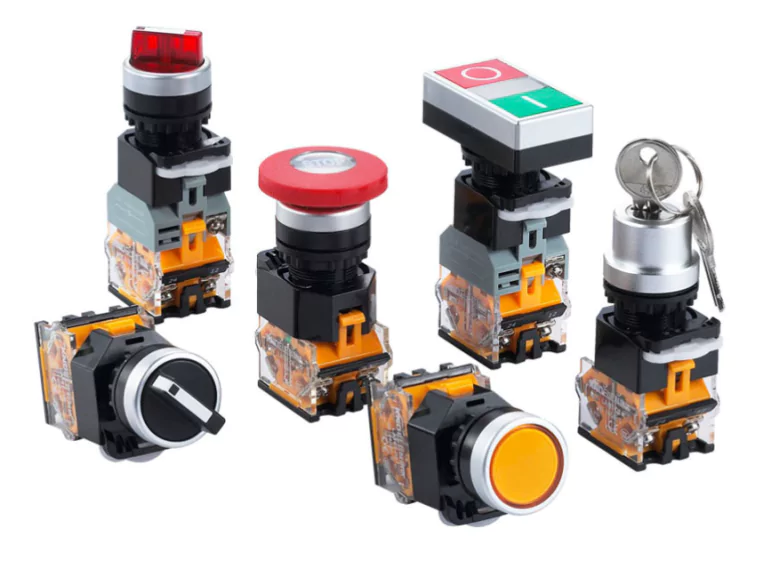
Interpretation of the Spring Button Switches Market Report – Global Forecast 2025-2033

Spring button switches may seem like small components, but they play a crucial role in our daily lives—from the keyboards we type on to the cars we drive. A recent market report ”Spring Push-Button Switch Market Report | Global Forecast From 2025 To 2033” by Raksha Sharma forecasts significant growth for this industry, projecting the global market size to expand from $1.5 billion in 2023 to $2.8 billion by 2032, with a compound annual growth rate (CAGR) of 7.0%. Let’s break down the key insights from this report in simple terms.

What’s Driving the Growth?

Growth Driver Key Applications Market Impact
Consumer Electronics Boom Smartphones, tablets, smart home devices Drives demand for durable, high-performance switches with tactile feedback and long life cycles
Automotive Advancements Infotainment, climate control, ADAS, electric vehicle controls Increases need for reliable, compact switches in expanding vehicle electronics
Industrial Automation Control panels, factory machinery, robotics Fuels switch demand due to rising automation, requiring precision and long-lasting components

Consumer Electronics Boom

The demand for smartphones, tablets, and smart home devices is skyrocketing. These gadgets rely on high-quality, durable spring button switches for seamless operation. As consumers expect more intuitive and responsive interfaces, manufacturers are innovating to deliver switches with better tactile feedback and longevity.

Automotive Advancements

Modern vehicles are packed with electronic systems—infotainment, climate control, and advanced driver-assistance systems (ADAS)—all requiring reliable switches. The shift toward electric vehicles (EVs) is also creating new opportunities, as these cars depend heavily on electronic controls.

Industrial Automation

Factories and production facilities are increasingly adopting automation and Industry 4.0 technologies. Spring button switches are essential in control panels and machinery, where durability and precision are critical. The rise of smart manufacturing is further fueling this demand.

Key Market Segments

By Type:   Momentary vs. Latching Switches

Momentary Switches: These only work while pressed (think keyboard keys or calculator buttons). They’re favored for their simplicity and instant feedback.

Latching Switches: These stay on or off until pressed again (like power buttons). They’re ideal for applications needing a stable state, such as industrial controls or home automation systems.

By Application: Where Are These Switches Used? 

Consumer Electronics: Smartphones, laptops, and home automation systems.

Automotive: Infotainment systems, EV controls, and dashboard interfaces.

Industrial: Machinery, control panels, and robotics.

Medical & Aerospace: High-reliability switches for diagnostic equipment and cockpit controls.

Regional Hotspots

Asia Pacific: Dominates the market due to rapid industrialization and a booming electronics sector in China, Japan, and South Korea.

North America & Europe: Strong demand from advanced automotive and industrial sectors, with a focus on smart technologies.

Emerging Markets: Latin America and the Middle East & Africa are catching up, driven by gradual automation adoption.

Challenges and Opportunities

While the market is growing, manufacturers face challenges like intense competition and the need for continuous innovation. However, opportunities abound:

Smart Technologies: Integrating IoT-enabled switches for remote control and automation.

Sustainability: Developing eco-friendly switches to meet green standards.

Emerging Markets: Expanding into regions with growing industrialization.

Who Are the Key Players?

Major companies like TE Connectivity, Schneider, APEM (IDEC), Honeywell, and NKK Switches lead the market, focusing on innovation and customization. Their ability to deliver reliable, high-performance switches ensures they stay ahead in this competitive landscape.

Kndele LOGO

Final Thoughts

The spring button switch market is set for steady growth, fueled by technological advancements and increasing automation across industries. Whether in your smartphone, car, or factory equipment, these tiny components are making a big impact—and their future looks brighter than ever.

Stay tuned as this small but mighty industry continues to evolve!
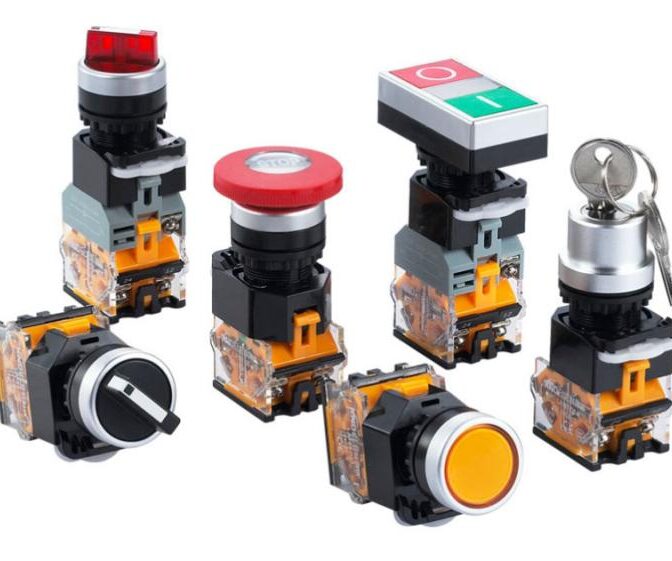
The Evolution of Spring Push-Button Switch Distribution Channels: Opportunities and Challenges in the Omnichannel Era

As fundamental electronic components in the industrial sector, the distribution channel transformation of spring push-button switches reflects the digital transformation trend across the entire B2B market. The competition between traditional offline channels and emerging e-commerce platforms is reshaping the competitive landscape of this multi-billion dollar market.

Offline Channels: Traditional Advantages Amid Transformation Pressures

Physical distribution networks maintain their market foothold through three core advantages:

Tangible Experience Value: Engineers can physically test switch travel, tactile feedback, and durability before purchase

Immediate Delivery Capability: Electrical component stores near industrial zones offer “order-and-pickup” services

Professional Technical Support: Experienced sales staff provide selection advice based on application scenarios (e.g., medical devices vs. construction machinery)

However, traditional channels face challenges including rising inventory costs (averaging 18% of revenue) and limited service radius. A German switch manufacturer’s survey revealed that 42% of industrial clients have reduced procurement frequency from local distributors.

Explosive Growth of E-commerce Channels

With global industrial e-commerce transactions exceeding $1.2 trillion in 2023, online sales of spring switches exhibit three characteristic trends:

Procurement Scenario Migration: 57% online penetration rate for MRO (Maintenance, Repair, Operations) purchases

Decision-Making Transformation: Engineers complete 75% of purchasing decisions through digital content like 3D product models and demonstration videos

Service Demand Upgrade: 62% of buyers require instant response online technical support

Industry leaders like Digi-Key showcase over 50,000 switch SKUs with “order-by-noon, next-day-delivery” logistics services – advantages traditional distributors struggle to match.

Implementation Paths for Omnichannel Strategies

Leading manufacturers are building a “three-dimensional” channel system:

Digital Frontend: Proprietary e-commerce platforms + vertical marketplace presence

Intelligent Middle Platform: Customer Data Platform (CDP) integrating online-offline behavioral data

Flexible Backend: Regional warehouse networks enabling omnichannel order fulfillment

Omron’s model combining “online technical selection + offline experience centers + regional warehouse direct shipping” has reduced customer procurement cycles by 40%.

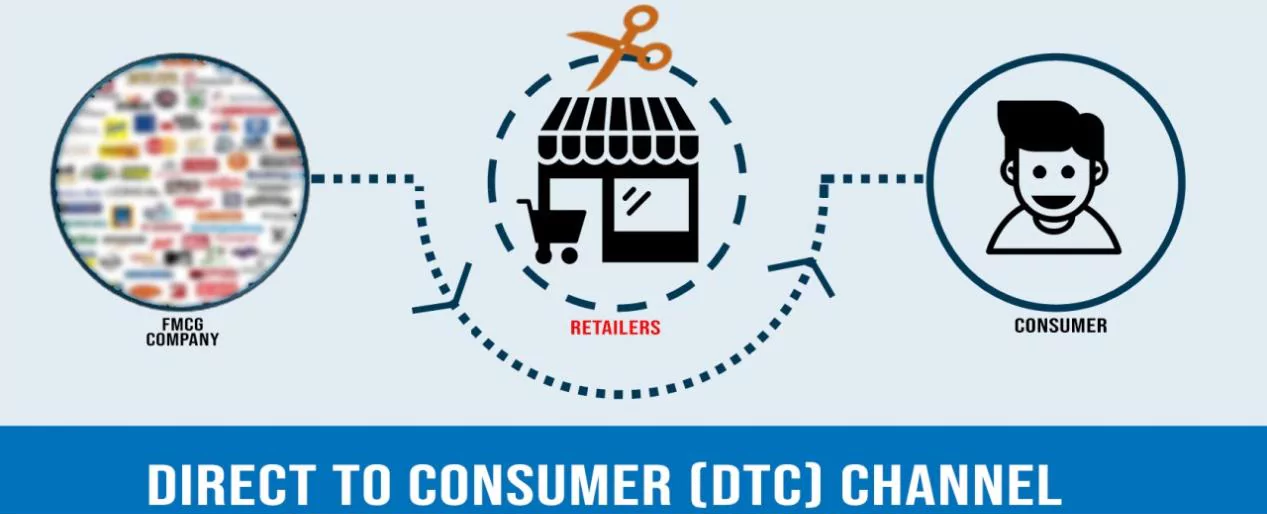
Industrial Applications of DTC Models

Unlike consumer goods DTC, industrial component direct sales must address unique challenges:

Technical Barriers: Developing online selection engines with 200+ technical parameter filters

Service Depth: Providing value-added services like online EMC simulation

Customer Segmentation: Retaining dedicated account managers for strategic accounts

One U.S. switch manufacturer’s practice shows DTC channels reduce SME customer acquisition costs by 62%, while large clients still prefer dedicated account services.

Future Trend Predictions

Channel Intelligence: AI customer service handling 70% of routine technical inquiries

Service Productization: Extended warranties, periodic calibration becoming new profit centers

Ecosystem Synergy: Collaborative product selection databases with automation equipment manufacturers

Conclusion

In this era of fragmented touchpoints, successful switch manufacturers are redefining channel value – transforming from mere distribution nodes into enablers of customer technical decision-making. Companies that can blend digital efficiency with humanized services will gain competitive advantage in this new wave of channel transformation.

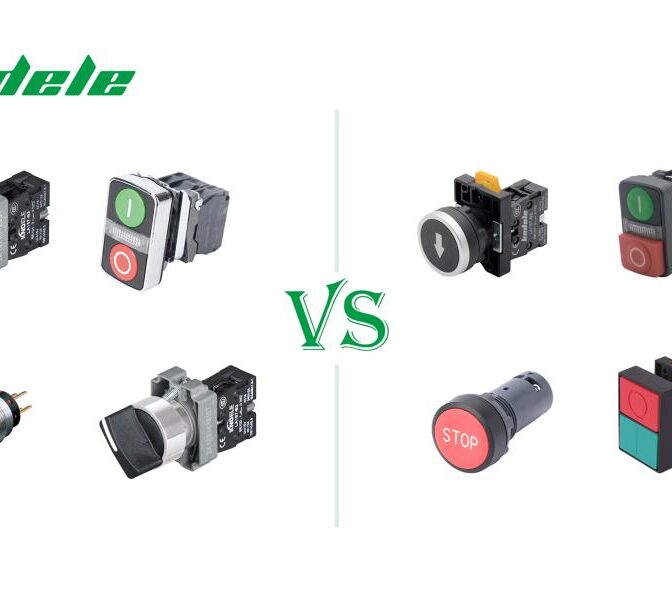
Metal Push Buttons vs Plastic Push Buttons: Which is Better for Your Product?

Push buttons are essential in countless devices, from industrial machines to consumer electronics. Several factors come into play when choosing between metal push buttons and plastic push buttons, including durability, cost, and application requirements. In this guide, we’ll compare the two types, discuss their pros and cons, and help you decide which is the best fit for your product.

Metal Push Buttons vs Plastic Push Buttons

What Are Metal Push Buttons and Plastic Push Buttons?

1. Metal Push Buttons

Metal push buttons are made from materials like stainless steel, aluminum, brass, or zinc alloy. They are known for their strength, durability, and premium feel, making them ideal for high-end or heavy-duty applications.

Common Metal Button Series:

  • Stainless Steel Buttons–Resistant to corrosion, ideal for harsh environments.
  • Aluminum Buttons– Lightweight yet strong, often used in automotive and aerospace.
  • Brass Buttons– Excellent conductivity, commonly used in electrical switches.

2. Plastic Push Buttons

Plastic buttons are typically made from polycarbonate (PC), ABS, nylon, or POM (acetal). They are lightweight, cost-effective, and available in various colors and shapes, making them popular in consumer electronics and household appliances.

Common Plastic Button Series:

  • ABS Buttons – Affordable and impact-resistant, widely used in toys and low-cost devices.
  • Polycarbonate (PC) Buttons – High heat resistance, suitable for industrial controls.
  • Nylon Buttons – Good wear resistance, often used in machinery.
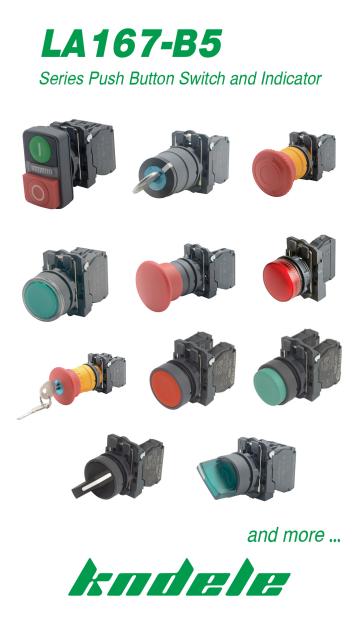
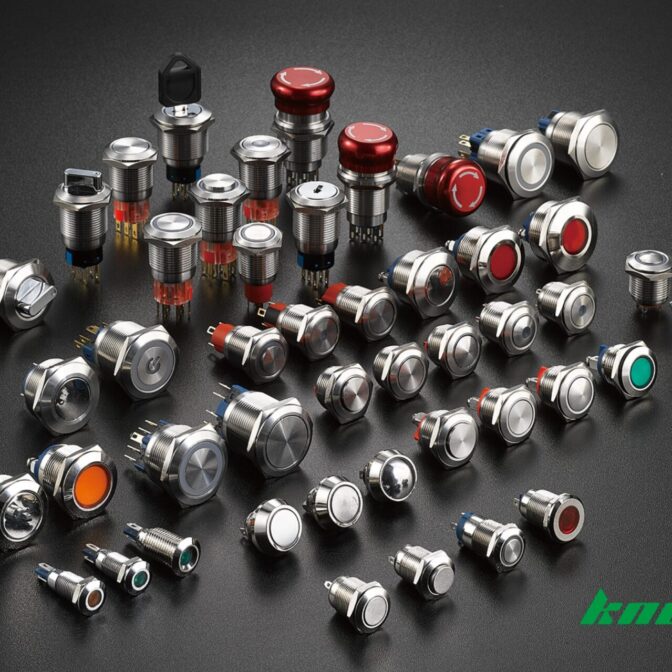
KNDELE LA167-B5 Series Push Button Switch and indicator

Key Differences: Metal vs. Plastic Buttons

Feature Metal Buttons Plastic Buttons
Durability Extremely durable, resistant to wear and impact Good durability, but can crack under extreme stress
Cost More expensive due to material and machining costs Cheaper, especially for mass production
Weight Heavier, which may not suit portable devices Lightweight, ideal for handheld electronics
Aesthetic Premium, professional look (brushed, polished, or coated finishes) Can be molded in various colors and textures
Temperature Resistance Handles high temperatures well (e.g., industrial ovens, automotive) May warp under extreme heat (unless high-grade plastic is used)
Electrical Conductivity Conductive (requires insulation for safe use in circuits) Naturally insulating, safer for electronics
Corrosion Resistance Stainless steel resists rust; other metals may need coatings Does not corrode, but may degrade under UV exposure

Which Should You Choose? Decision Guide

When to Choose Metal Buttons:

✅ Industrial & Heavy-Duty Use – Machines, automotive dashboards, military equipment.
✅ High-End Products – Premium appliances, luxury electronics.
✅ Harsh Environments – Outdoor, marine, or chemical-exposed settings.

When to Choose Plastic Buttons:

✅ Consumer Electronics – Remote controls, toys, home appliances.
✅ Budget-Friendly Products – Where cost efficiency is key.
✅ Custom Shapes & Colors – When branding or design flexibility is important.

Why Choose KND Buttons?

At KNDELE, we specialize in manufacturing high-quality metal and plastic buttons tailored to your needs.

  • Metal Buttons: Precision-machined stainless steel, aluminum, and brass buttons with IP65 waterproof ratings, anti-corrosion coatings, and custom engraving options.
    ● Plastic Buttons: Durable ABS, PC, and nylon buttons with UV resistance, ergonomic designs, and customizable colors.

Whether you’re designing a rugged industrial control system or a sleek consumer device, understanding how push buttons are used across industries can guide your choice. At KNDELE, we provide high-quality solutions for both ends of the spectrum—rugged industrial switches and sleek consumer electronics buttons—backed by competitive pricing, fast prototyping, and OEM/ODM support. Explore our in-depth guide to push button switch applications to make a more informed decision.

Emergency Stop Switch Connection Guide: How to Wire an E-Stop Button Safely

An emergency stop switch, commonly known as an E-stop button, is a vital safety device used in industrial machines, automation equipment, and control systems. It allows immediate power cutoff during critical failures or hazards, helping prevent serious injury or equipment damage.

Whether you’re upgrading machinery or doing a fresh emergency stop switch installation, a proper wiring connection, safe configuration, and function testing are essential.

In this guide, you’ll learn everything from how to wire an emergency stop switch, understand the working principle of NC contacts, and troubleshoot common issues, with step-by-step instructions and expert tips.

What is an Emergency Stop Switch?

An emergency stop switch (E-stop button) is a type of safety switch that instantly cuts power to connected equipment during emergencies. Unlike standard on/off switches, an E-stop must be manually reset after activation.

Key features of an emergency stop switch:

  • Operates via normally closed (NC) contacts, ensuring a fail-safe design

  • Breaks the circuit immediately for fast shutdown

  • Must be manually released (pull or twist to reset)

  • Compliant with ISO 13850, IEC 60947, and other international safety standards

You’ll typically find these switches in factory conveyor systems, robotic arms, CNC machines, and other automated industrial setups.

How Does an Emergency Stop Switch Work?

The primary goal of an emergency stop switch is to eliminate power to a system when active so that it does not operate. You can initiate this action by pressing the switch, effectively opening and closing electrical contacts to cut off power to the supplied circuit, ensuring safety.

Most E-stops use a normally closed (NC) contact configuration. This means:

  • Under normal operation, the circuit remains closed, allowing current to flow.
  • When pressed, the contacts open, breaking the circuit and stopping the machine.
  • The switch locks in place until manually reset (usually by twisting or pulling).

Some E-stops also have dual-channel wiring for redundancy, ensuring safety even if one contact fails.

How to Connect an Emergency Stop Switch

1. Choose the Right E-Stop Switch

Choosing the correct emergency stop button is the first step toward safe wiring. Consider these criteria:

  • Voltage & Current Rating – Must match your machine’s control voltage.

  • Contact Type – Always use NC (normally closed) for safety applications

  • Mounting Options – Panel-mounted, cable-pull, or foot-operated types depending on your use case

2. Emergency Stop Switch Wiring

Below is a simple method for emergency stop switch connection using a single NC contact:

2.1 Basic Single-Channel Wiring (NC Circuit)

  1. Disconnect power to the machine before wiring.
  2. Identify the terminals (usually labeled “NO” and “NC”). Use the wiring schematic to aid you in establishing the necessary connections.
  3. Wire connections: Attach the wires to the respective terminals belonging to the switch. Connect the normally closed (NC) terminal with the load and the Common terminal with the positive terminal of the battery.
  4. Ensure all connections are secure and insulated.

Tip: Always refer to the E-stop switch wiring diagram provided by your manufacturer to ensure accurate connections.

2.2 Dual-Channel Wiring (for Redundancy)

  1. Used in high-safety applications (e.g., industrial robots).
  2. Two NC contacts are wired in series to independently break the circuit.
  3. Meets EN ISO 13849-1 safety standards and is commonly applied in Category 3 or 4 control systems.

2.3 Testing the Emergency Stop Function

  1. Restore power to the system.
  2. Press the E-stop button – the machine should immediately stop.
  3. Check reset functionality – twist or pull to release and restore power.

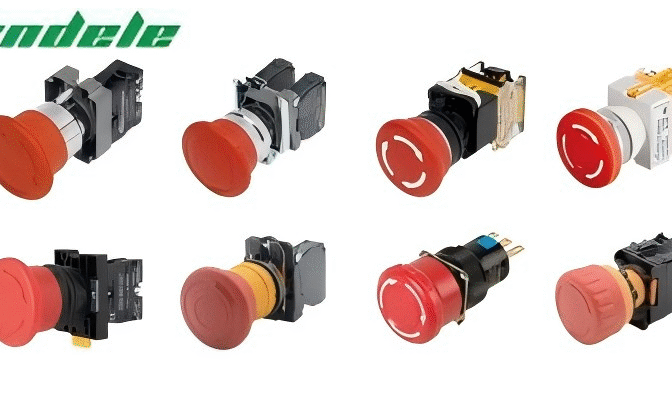
Tips: One important thing needs mentioning here, you can avail emergency stop buttons from KNDELE  emergency stop push button. They are easy to identify, show high performance, and have anti-mistouch design.China Mushroom Head Emergency Stop Switch

Common Issues and Troubleshooting

Even though emergency stop switches are built for durability, problems can arise. Here’s how to diagnose and fix common E-stop button failures:

Issue Possible Cause Solution
E-stop doesn’t stop the machine Faulty wiring, stuck contacts Check connections, test with a multimeter
Switch won’t reset Mechanical jam, damaged latch Inspect for debris, replace if necessary
False triggering Loose wiring, vibration Secure all terminals, use anti-vibration mounts
Burned contacts Over-current, arcing Replace the switch with a higher-rated model

Conclusion

Ensuring a secure and correct emergency stop switch connection is not just a technical task — it’s a safety responsibility. Always:

      • Use NC contacts to ensure fail-safe performance.

      • Follow your machine’s wiring diagram for accurate installation.

      • Test the switch before putting the system back into operation

It is only accurate to deduce that a well-working E-stop is a reflection of an organization that values safety and security. It has created an atmosphere where workers feel safe operating machinery.

If you are looking for quality emergency stop buttons, then go for KNDELE. They, as a brand, provide a wide range of push button switches and their derivatives, which are suitable for different markets. Their push button switches offer:

    • Anti-mistouch design

    • Compliance with CE and RoHS standards

    • Long mechanical life and easy installation