All posts by pj1junj

Maintenance Tips for Dual-Display Voltage Current Protectors to Ensure Long-Term Reliability

Introduction

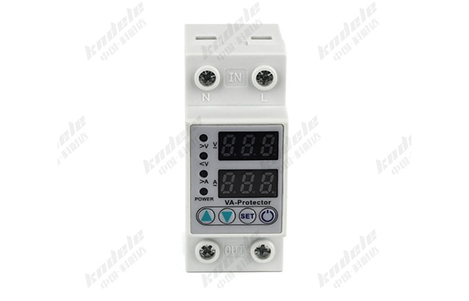
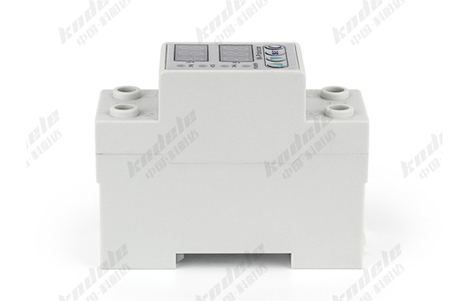
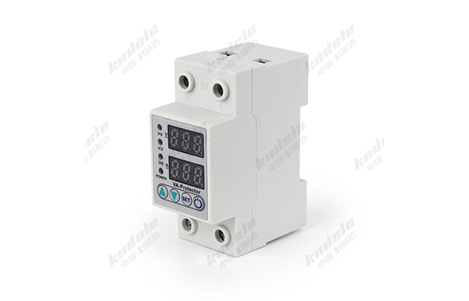
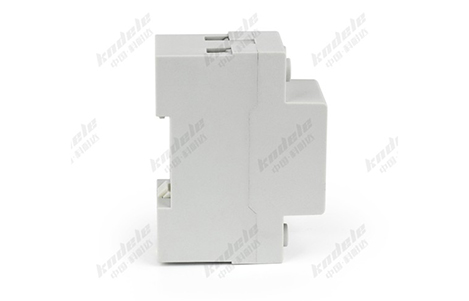
Dual-Display Voltage Current Protectors (VDCPs) are essential devices for safeguarding electrical systems in industrial, commercial, and renewable energy applications. They provide real-time monitoring of voltage and current and automatically protect connected equipment from overvoltage, undervoltage, and overcurrent conditions.
Regular Visual Inspection

Start with routine visual checks to identify any obvious signs of wear or damage:

Check for cracks or discoloration on the housing

Inspect wiring for fraying or loose connections

Ensure the display screens are clean and fully functional

Verify Voltage and Current Readings

Periodic testing of the readings ensures the VDCP is functioning correctly:

Compare the voltage and current readings with a calibrated multimeter

Ensure the dual displays show consistent and accurate values

Look for flickering or unresponsive displays, which may indicate internal issues

Test Protection Functions

The primary purpose of a VDCP is to protect equipment from abnormal electrical conditions. Testing these protection features is essential:

Simulate overvoltage and undervoltage conditions to verify voltage protection

Introduce overcurrent conditions (within safe testing limits) to check current protection

Ensure the relay or circuit breaker responds accurately and promptly

Clean and Maintain the Display and Controls

Dust, moisture, and grime can interfere with the device’s display or buttons:

Use a soft, dry cloth to clean the screens and control surfaces

Avoid harsh chemicals that could damage the housing or display

Ensure ventilation slots are free from dust buildup to prevent overheating

Tighten Electrical Connections

Loose connections can cause inaccurate readings, arcing, or even device failure:

Periodically inspect all terminal screws and wiring connections

Tighten any loose terminals according to manufacturer specifications

Ensure all grounding connections are secure

Update Firmware or Calibration (if applicable)

Some modern VDCPs come with smart features or digital interfaces:

Check the manufacturer’s website for firmware updates

Perform recalibration as recommended in the user manual

Ensure that any integrated alarms or IoT monitoring features are functional

Monitor Environmental Conditions

VDCPs perform best under stable environmental conditions:

Avoid exposing the device to excessive heat, humidity, or direct sunlight

Ensure proper ventilation in control panels

Protect the device from vibration or mechanical shocks

Keep Maintenance Records

Maintain a log of inspections, tests, and any issues detected:

Record the date, findings, and any corrective actions

Include calibration or firmware update records

Use the log to identify trends or recurring issues

Conclusion

Proper maintenance of Dual-Display Voltage Current Protectors is essential to ensure long-term reliability, accurate monitoring, and consistent equipment protection. Regular inspections, cleaning, connection checks, and testing not only extend the device’s lifespan but also help prevent costly downtime or equipment damage.

FAQ

1. How often should I inspect a dual-display voltage current protector?

It is recommended to perform visual inspections and functional tests every 6–12 months, or more frequently in high-demand or harsh environments.

2. What should I check during a visual inspection?

Housing for cracks or discoloration

Wiring for frays or loose connections

Display screens for proper operation

Ventilation slots for dust buildup

3. How can I verify the accuracy of the voltage and current readings?

Use a calibrated multimeter to compare voltage and current readings. Ensure both displays show correct and stable values. Any flickering, delay, or incorrect reading may indicate a fault.

4. Should I test the protection functions?

Yes. Test overvoltage, undervoltage, and overcurrent protection functions periodically in a controlled environment to ensure the relay or breaker responds correctly.

5. How do I maintain the display and controls?

Clean the display with a soft, dry cloth

Avoid harsh chemicals or abrasive materials

Ensure buttons and control surfaces are free from dust and grime

6. How important are electrical connections?

Very important. Loose connections can cause inaccurate readings, arcing, or device failure. Periodically check and tighten all terminals according to manufacturer specifications.

7. Do I need to update firmware or calibration?

For modern digital VDCPs:

Check the manufacturer for firmware updates

Perform recalibration as recommended

Verify alarms and monitoring features are functional

8. Can environmental conditions affect VDCP performance?

Yes. Excessive heat, humidity, direct sunlight, vibration, or poor ventilation can affect sensor accuracy and device lifespan. Ensure a stable and protected operating environment.

9. Should I keep maintenance records?

Absolutely. Document all inspections, tests, calibrations, and corrective actions. Maintenance logs help identify trends, plan preventive maintenance, and comply with safety regulations.

10. What is the main benefit of regular maintenance for VDCPs?

Regular maintenance ensures long-term reliability, accurate monitoring, and consistent protection of electrical systems, preventing equipment damage and costly downtime.
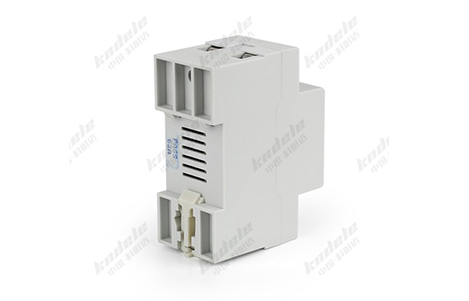
Why Dual-Display Voltage Current Protectors Are Essential in Renewable Energy Systems

Introduction

As renewable energy adoption continues to grow, ensuring the safety, efficiency, and reliability of solar, wind, and energy storage systems has become more critical than ever. Renewable energy systems often involve sensitive electronics, variable loads, and fluctuating grid conditions, making them prone to voltage and current anomalies.

This is where Dual-Display Voltage Current Protectors (VDCPs) come into play. By monitoring both voltage and current simultaneously and providing automatic protection, VDCPs are essential components for maintaining the long-term performance and safety of renewable energy installations.

What Is a Dual-Display Voltage Current Protector?

A Dual-Display Voltage Current Protector is an electrical device that measures both voltage and current in real time. It features two separate displays for simultaneous readings and can automatically disconnect a load if abnormal conditions are detected, such as overvoltage, undervoltage, or overcurrent.

Key Components Include:

Voltage Sensor: Monitors the system voltage continuously.

Current Sensor: Tracks current flow to prevent overloads.

Dual Display: Digital LED or LCD screens show both voltage and current readings.

Relay/Protection Circuit: Trips automatically to safeguard connected devices.

Why Renewable Energy Systems Need Dual-Display Protectors

Renewable energy systems, especially solar PV and wind power installations, face unique challenges that make protection devices essential:

Fluctuating Input Voltage

Solar panels and wind turbines often produce variable voltage due to changing sunlight, shading, or wind speed. These fluctuations can damage inverters, batteries, and controllers if left unchecked.

How VDCP Helps: Monitors real-time voltage and disconnects the load when thresholds are exceeded, preventing equipment damage.

Overcurrent Protection

Renewable energy systems are connected to inverters and batteries that can draw or supply high currents. Unexpected overcurrent events can overheat conductors or cause battery failure.

How VDCP Helps: Tracks current flow and triggers automatic disconnection when limits are surpassed, protecting expensive components.

Battery and Storage System Safety

Batteries are sensitive to both overvoltage and overcurrent conditions. Overcharging or excessive discharge can reduce battery lifespan or even cause thermal runaway.

How VDCP Helps: Provides precise voltage and current monitoring for batteries, ensuring safe charging and discharging cycles.

Protection Against Grid Disturbances

Renewable systems connected to the grid can experience surges, sags, or momentary faults. These disturbances may damage inverters or compromise system performance.

How VDCP Helps: Detects abnormal voltage or current conditions instantly and isolates the system to prevent cascading failures.

Real-Time Monitoring and Operational Efficiency

Dual-display protectors provide instant visual feedback on both voltage and current, allowing operators to identify abnormal conditions before they become critical.

Benefit: Enables proactive maintenance, reduces downtime, and maximizes system efficiency.

Common Renewable Energy Applications for VDCPs

Solar PV Systems: Protect inverters, charge controllers, and batteries from voltage spikes and overcurrent.

Wind Turbine Installations: Safeguard variable-speed turbines and electrical control systems.

Hybrid Energy Systems: Ensure stable operation where solar, wind, and battery storage are integrated.

Energy Storage Facilities: Monitor high-capacity battery banks and prevent overvoltage or overcurrent damage.

Conclusion

Dual-Display Voltage Current Protectors are critical components in renewable energy systems, providing comprehensive protection for sensitive equipment, enhancing operational reliability, and extending system lifespan.

By offering real-time monitoring of both voltage and current, automatic load disconnection, and customizable protection thresholds, VDCPs ensure renewable energy systems can operate safely and efficiently under variable conditions.

FAQ

1. Why are dual-display voltage current protectors important for renewable energy systems?

Renewable energy systems often involve variable voltage and current due to changing sunlight, wind, or load conditions. Dual-display protectors monitor both parameters in real time and automatically disconnect the system when abnormal conditions occur, protecting sensitive equipment like inverters, batteries, and controllers.

2. What types of renewable energy systems can use VDCPs?

Solar PV systems – protect inverters, batteries, and charge controllers

Wind turbines – safeguard variable-speed turbines and control systems

Hybrid energy systems – monitor and protect systems integrating solar, wind, and energy storage

Energy storage facilities – prevent overvoltage and overcurrent damage to battery banks

3. How does a dual-display protector prevent overvoltage and undervoltage damage?

It continuously measures system voltage, compares it to pre-set thresholds, and automatically disconnects the load or triggers alarms when the voltage goes above or below safe limits, preventing damage to inverters, batteries, or controllers.

4. Can dual-display protectors prevent overcurrent events?

Yes. They monitor current flow in real time and disconnect circuits if the current exceeds safe levels, preventing overheating, fire risks, or battery damage.

5. What are the benefits of having dual displays instead of a single display?

Dual displays allow operators to see both voltage and current simultaneously, providing a complete view of system health. This makes it easier to detect abnormalities early and reduces the risk of equipment failure.

6. Are dual-display protectors suitable for grid-connected systems?

Yes. They can detect voltage or current anomalies caused by grid disturbances, surges, or sags, and protect renewable energy equipment from potential damage.

7. Can the protection thresholds be adjusted?

Most VDCPs allow users to customize voltage and current limits to match the specific requirements of their renewable energy system, ensuring precise and reliable protection.

8. How often should VDCPs be maintained in renewable energy systems?

Regular inspection every 6–12 months is recommended. Check for correct readings, proper relay operation, any physical damage, and signs of overheating.

9. Do VDCPs replace circuit breakers or fuses?

Not entirely. While they provide overvoltage, undervoltage, and overcurrent protection, they should be used alongside circuit breakers or fuses for full protection against short circuits and extreme electrical faults.

10. What is the main advantage of using a dual-display voltage current protector in renewable energy systems?

It ensures safe, reliable, and efficient operation by monitoring both voltage and current in real time, preventing equipment damage, reducing downtime, and extending the lifespan of critical components like inverters and batteries.

Common Applications of Dual-Display Voltage Current Protectors in Industrial and Commercial Projects

Introduction

In today’s fast-paced industrial and commercial environments, ensuring the safety and reliability of electrical systems is critical. Fluctuations in voltage and current can damage sensitive equipment, cause downtime, or even create safety hazards. One solution widely adopted by engineers and facility managers is the Dual-Display Voltage Current Protector (VDCP).

Industrial Machinery Protection

Industrial facilities often operate heavy machinery, motors, and compressors that are highly sensitive to voltage and current variations.
Applications include:

Motors and Drives: Protect against overcurrent and voltage surges that could damage windings.

Conveyors and Production Lines: Prevent sudden shutdowns or equipment failures due to electrical anomalies.

Compressors and Pumps: Ensure continuous operation without overheating or overloading.

Benefit: By monitoring both voltage and current simultaneously, VDCPs reduce downtime, prevent costly repairs, and extend the lifespan of industrial equipment.

Commercial Building Electrical Systems

In commercial buildings, electrical stability is essential for lighting, HVAC, elevators, and other critical systems.
Applications include:

HVAC Systems: Prevent motor burnout or overcurrent damage to air conditioners and fans.

Elevators and Escalators: Ensure smooth operation and protect control circuits from voltage fluctuations.

Lighting Systems: Safeguard LED and fluorescent lighting from spikes that could shorten lifespan.

Benefit: VDCPs provide real-time data for building managers, allowing them to respond to abnormal conditions quickly and maintain operational efficiency.

Renewable Energy Systems

With the increasing adoption of solar panels, wind turbines, and energy storage systems, protecting sensitive equipment is more important than ever.
Applications include:

Solar PV Systems: Monitor voltage and current to prevent inverter and battery damage.

Wind Turbines: Protect against fluctuating grid conditions and sudden current surges.

Energy Storage Systems: Maintain battery health by detecting overcurrent and voltage anomalies.

Benefit: VDCPs ensure system reliability and prevent costly repairs in renewable energy installations.

Data Centers and IT Infrastructure

Data centers require uninterrupted power supply to ensure server uptime and protect sensitive electronics.
Applications include:

Server Rooms: Continuous monitoring prevents voltage spikes or current overloads.

UPS Systems: Protect uninterruptible power supplies from electrical faults.

Network Equipment: Safeguard switches, routers, and storage devices from overcurrent events.

Benefit: By providing early detection of abnormal electrical conditions, VDCPs help avoid service disruptions and maintain IT system integrity.

Manufacturing and Automation Facilities

Automation systems often involve robotics, PLCs, and complex machinery, all of which require stable electrical supply.
Applications include:

Robotics: Prevent motor or actuator failure due to voltage or current irregularities.

PLC Panels: Protect programmable logic controllers from surges that could corrupt operations.

Assembly Lines: Ensure continuous production without electrical interruptions.

Benefit: VDCPs provide both protection and real-time feedback, allowing technicians to quickly troubleshoot and optimize system performance.

Conclusion

Dual-Display Voltage Current Protectors are versatile devices that play a crucial role in modern industrial and commercial electrical systems. By monitoring both voltage and current simultaneously and providing automatic protection, VDCPs prevent equipment damage, minimize downtime, and enhance operational efficiency.

Whether in industrial machinery, commercial buildings, renewable energy systems, data centers, or automated manufacturing, VDCPs ensure the reliability and safety of electrical infrastructure.

FAQ

1. What are Dual-Display Voltage Current Protectors used for?

They are used to monitor both voltage and current in a circuit and automatically protect equipment from overvoltage, undervoltage, and overcurrent conditions. They are essential in industrial, commercial, and renewable energy applications.

2. Which industrial equipment can benefit from a dual-display protector?

Motors and drives

Compressors and pumps

Conveyor belts and automated production lines
These devices prevent overcurrent or voltage fluctuations from damaging sensitive industrial machinery.

3. How are dual-display protectors used in commercial buildings?

Protect HVAC systems, elevators, and lighting circuits from electrical surges

Monitor voltage and current in real time to prevent operational interruptions

Provide easy-to-read dual displays for facility managers

4. Can dual-display protectors be applied in renewable energy systems?

Yes, they are ideal for solar panels, wind turbines, and battery storage systems. They monitor electrical parameters and prevent damage to inverters, batteries, and other sensitive equipment.

5. Why are they important in data centers and IT infrastructure?

Dual-display protectors help maintain uninterrupted power to servers, switches, and storage devices. They prevent downtime caused by overcurrent or voltage spikes and protect sensitive electronics.

6. How do they improve operational efficiency in manufacturing facilities?

By monitoring electrical parameters in real time, VDCPs allow technicians to detect anomalies early, avoid equipment damage, and maintain continuous production without interruptions.

7. Can the voltage and current limits be customized?

Yes, most models allow users to set specific thresholds to match the requirements of different machines, circuits, or systems.

8. Do dual-display protectors replace standard circuit breakers?

Not completely. While they provide protection against overvoltage, undervoltage, and overcurrent, they are usually used alongside circuit breakers or fuses for full protection against short circuits.

Features and Benefits of Dual-Display Voltage Current Protectors in Modern Electrical Systems

Introduction

Modern electrical systems are becoming increasingly complex, with higher power demands and more sensitive equipment. Protecting these systems against voltage and current fluctuations is critical to ensure safety, reliability, and operational efficiency. One of the most effective solutions is the Dual-Display Voltage Current Protector (VDCP).

By simultaneously monitoring both voltage and current, these devices provide real-time insights and automatic protection, making them essential components in industrial, commercial, and renewable energy systems.

Key Features of Dual-Display Voltage Current Protectors

Dual Display for Voltage and Current

The most obvious feature is the dual display, which allows operators to read voltage and current simultaneously. This ensures a complete understanding of the electrical system without needing separate devices.

Voltage Display: Shows the current voltage in real time.

Current Display: Shows the current flowing through the circuit.

Digital LED or LCD: Provides clear and easy-to-read readings, even in low-light environments.

Real-Time Monitoring

Dual-display protectors continuously measure electrical parameters, allowing operators to detect abnormal conditions immediately. This feature is particularly useful for:

Preventing overvoltage and undervoltage conditions

Avoiding overcurrent damage

Ensuring equipment operates within safe parameters

Adjustable Protection Thresholds

Most VDCPs allow users to set custom voltage and current limits. This flexibility ensures protection tailored to specific equipment and system requirements. For example:

Overvoltage shutdown at 240V for a 220V system

Overcurrent protection for motors or transformers

Automatic Circuit Disconnection

When voltage or current exceeds preset limits, the device automatically triggers a relay or circuit breaker, disconnecting the load to prevent equipment damage. This feature ensures electrical safety without manual intervention.

Compact and User-Friendly Design

Modern dual-display protectors are designed to be compact, allowing installation in control panels or switchboards. The dual-display interface is intuitive, reducing operator errors and simplifying maintenance.

Optional Advanced Features

Some advanced models include:

Audible and visual alarms for fault conditions

Remote monitoring capabilities for integration with smart electrical systems

Data logging for tracking electrical trends over time

Benefits of Using Dual-Display Voltage Current Protectors

Enhanced Safety

By protecting against overvoltage, undervoltage, and overcurrent, VDCPs reduce the risk of electrical fires, equipment damage, and downtime, ensuring the safety of both personnel and assets.

Real-Time Insights

Dual-display protectors provide instant visibility into voltage and current, enabling operators to make informed decisions and respond quickly to abnormal conditions.

Operational Efficiency

With automatic disconnection and fault alerts, VDCPs minimize unscheduled downtime, helping maintain continuous operations in industrial and commercial settings.

Equipment Longevity

By preventing electrical stress, these devices extend the lifespan of motors, transformers, and other sensitive equipment, reducing maintenance costs.

Versatility

Dual-display protectors are suitable for a wide range of applications:

Industrial machinery and production lines

Commercial buildings and HVAC systems

Renewable energy systems (solar, wind, battery storage)

Data centers and IT infrastructure

Conclusion

In today’s modern electrical systems, where efficiency, safety, and reliability are crucial, Dual-Display Voltage Current Protectors offer a powerful solution. With their dual monitoring capability, real-time protection, and user-friendly design, these devices not only safeguard equipment but also optimize operational performance.

Investing in a VDCP ensures that your electrical systems remain safe, reliable, and efficient, whether in industrial, commercial, or renewable energy applications.

FAQ

1. What is a Dual-Display Voltage Current Protector?

A Dual-Display Voltage Current Protector is an electrical device that simultaneously monitors voltage and current in a circuit. It provides real-time readings on two displays and automatically protects connected equipment from overvoltage, undervoltage, and overcurrent conditions.

2. What are the key features of a dual-display protector?

Dual display screens for voltage and current

Real-time monitoring of electrical parameters

Adjustable protection thresholds for voltage and current

Automatic load disconnection when limits are exceeded

Optional features like alarms, remote monitoring, and data logging

3. How does a dual-display voltage current protector improve safety?

The device prevents electrical faults such as overvoltage, undervoltage, and overcurrent by automatically disconnecting the load. This reduces the risk of equipment damage, electrical fires, and unplanned downtime.

4. Can the voltage and current limits be customized?

Yes. Most models allow users to set specific voltage and current thresholds tailored to their system or equipment, ensuring optimal protection for a wide range of applications.

5. Where are dual-display protectors commonly used?

They are widely used in:

Industrial machinery and production lines

Commercial buildings (HVAC systems, elevators, lighting)

Renewable energy systems (solar panels, wind turbines, battery storage)

Data centers and IT infrastructure

6. What are the benefits of having a dual display instead of a single display?

A dual display allows operators to simultaneously monitor both voltage and current, providing a complete view of the electrical system. This reduces the chance of missing abnormal conditions and simplifies troubleshooting.

What Is a Dual-Display Voltage Current Protector and How Does It Work?

Introduction

In modern electrical systems, ensuring the safety and stability of equipment is critical. One device that plays a pivotal role in this process is the Dual-Display Voltage Current Protector (VDCP). By monitoring voltage and current simultaneously, it provides real-time protection against electrical faults, enhancing operational safety and extending equipment lifespan.

What Is a Dual-Display Voltage Current Protector?

A Dual-Display Voltage Current Protector is an electrical protection device designed to monitor both voltage and current parameters of an electrical circuit at the same time. Unlike single-function protectors, which monitor either voltage or current, a dual-display protector provides a comprehensive view of the electrical condition, displaying both values on two separate screens—typically a digital LED or LCD interface.

Key Components:

Voltage Sensor – Continuously measures the input voltage to detect overvoltage or undervoltage conditions.

Current Sensor – Measures load current to prevent overcurrent or short-circuit situations.

Dual Display Screen – Simultaneously shows voltage and current readings for easy monitoring.

Relay/Protection Mechanism – Automatically disconnects the circuit if measured values exceed predefined limits.

How Does a Dual-Display Voltage Current Protector Work?

The working principle of a dual-display voltage current protector is straightforward yet highly effective:

Continuous Monitoring: The device constantly measures both voltage and current in real time.

Threshold Detection: Pre-set limits for voltage and current are stored in the device. These can often be adjusted based on the specific application.

Automatic Protection: When the measured voltage or current exceeds these limits, the protector triggers a relay or circuit breaker to disconnect the load.

Visual Feedback: Both voltage and current readings are displayed simultaneously on the dual display, allowing operators to quickly assess electrical conditions.

Optional Features: Some models include alarms, remote monitoring capabilities, and integration with smart systems for advanced electrical management.

Example Scenario:
Imagine an industrial machine operating on a 220V supply. If the voltage surges to 250V due to grid fluctuations, the VDCP detects the overvoltage and immediately disconnects the machine, preventing damage. Similarly, if the current exceeds the rated load, the device protects against overheating or fire hazards.

Advantages of Using a Dual-Display Voltage Current Protector

Comprehensive Monitoring: Real-time dual readings reduce the risk of electrical damage.

Enhanced Safety: Automatic disconnection prevents accidents caused by overvoltage, undervoltage, or overcurrent.

Operational Efficiency: Continuous monitoring allows maintenance teams to respond proactively to abnormal conditions.

User-Friendly: Dual display makes it easier for operators to read and understand both voltage and current data simultaneously.

Versatility: Suitable for industrial machinery, commercial power distribution, renewable energy systems, and sensitive electrical equipment.

Applications of Dual-Display Voltage Current Protectors

Industrial Manufacturing: Protecting motors, compressors, and other heavy machinery from electrical faults.

Commercial Buildings: Safeguarding HVAC systems, elevators, and lighting circuits.

Renewable Energy Systems: Monitoring solar panels and wind turbines to prevent overcurrent and voltage fluctuations.

Data Centers: Ensuring uninterrupted power supply to servers and critical equipment.

Conclusion

A Dual-Display Voltage Current Protector is an essential device for modern electrical systems. By providing simultaneous voltage and current monitoring, it ensures both equipment safety and operational efficiency. Whether for industrial machinery, commercial installations, or renewable energy systems, investing in a VDCP can significantly reduce electrical risks and maintenance costs.

FAQ

1. What is a Dual-Display Voltage Current Protector?

A Dual-Display Voltage Current Protector is an electrical device that monitors both voltage and current in a circuit simultaneously. It provides real-time readings on two displays and automatically protects equipment from overvoltage, undervoltage, and overcurrent conditions.

2. How does a Dual-Display Voltage Current Protector work?

The device continuously measures the voltage and current using built-in sensors. When the measured values exceed preset safety limits, the protector triggers a relay or circuit breaker to disconnect the load, preventing equipment damage.

3. What are the main advantages of using a dual-display protector?

Real-time monitoring of both voltage and current.

Automatic protection against electrical faults.

Easy-to-read dual display for quick assessment.

Versatile for industrial, commercial, and renewable energy applications.

Helps prevent equipment failure and reduce maintenance costs.

4. Can the voltage and current limits be adjusted?

Yes. Most dual-display protectors allow users to set customized voltage and current thresholds according to the specific electrical system requirements. This flexibility ensures optimal protection for different equipment types.

5. Where are dual-display protectors commonly used?

They are widely used in:

Industrial machinery (motors, compressors, conveyors)

Commercial buildings (HVAC systems, lighting, elevators)

Renewable energy systems (solar panels, wind turbines)

Data centers and IT equipment

6. What types of displays are available?

Most devices use digital LED or LCD screens to show voltage and current readings simultaneously. Some advanced models also include backlighting, alarms, or remote monitoring interfaces.

How Double Push Button Light Switches Enhance Operational Safety

Introduction

In modern electrical systems, especially in industrial and commercial environments, safety is a top priority. Accidents caused by improper equipment operation, electrical faults, or human error can result in costly downtime, injuries, or damage to machinery. One simple yet highly effective component that contributes to operational safety is the double push button light switch.

By combining two independent controls in one switch unit, these switches provide clear operation, precise control, and fail-safe functionality, enhancing the overall safety of electrical systems. This article explores how double push button switches improve operational safety across various applications.

Independent Control for Safe Operation

Double push button switches allow operators to control two separate circuits independently from a single panel or switch plate.

In industrial machinery, one button can start the machine while the other can stop it.

In lighting systems, one button can control main lights, and the other can manage auxiliary or emergency lights.

Independent control reduces the risk of accidental operation, as each button has a distinct and dedicated function. Operators can execute precise actions without confusion or errors, improving overall safety.

Clear Visual Feedback Through Indicator Lights

Many double push button switches come with built-in indicator LEDs or illuminated buttons.

Green indicators signal active circuits or safe conditions.

Red indicators show machines are running, circuits are live, or alarms are active.

Visual feedback ensures operators can quickly assess system status, preventing accidental starts or misoperation. This is particularly useful in control panels with multiple machines or circuits, where misreading the system state can lead to unsafe conditions.

Ergonomic and Intuitive Design

Double push button switches are designed for easy and intuitive operation:

Buttons are large and easy to press, reducing operator fatigue.

Color-coding and clear labeling prevent confusion between functions.

Compact design allows multiple critical controls in a single location, minimizing the need for operators to reach across machinery or multiple panels.

Ergonomic designs reduce human error, one of the leading causes of industrial accidents.

Fail-Safe Operation in Critical Systems

Some double push button switches include momentary or latching functions:

Momentary switches only activate the circuit while pressed, ideal for safety-critical operations that require constant human supervision.

Latching switches toggle circuits ON or OFF with each press, providing clear control for sustained operations.

By matching the switch type to the operational requirement, systems can prevent unintended activation, a critical safety measure in industrial environments.

Integration with Safety Circuits

Double push button switches can be integrated into emergency or safety circuits, enhancing protection:

Emergency stop functionality: A red STOP button can immediately interrupt power to machines.

Alarm acknowledgment and reset: Operators can acknowledge and reset alarms without reaching for separate controls.

Interlocked operations: Certain switches can be configured to require sequential actions, ensuring that unsafe operations cannot occur.

Integration with safety systems ensures that the switches contribute directly to reducing hazards and protecting personnel.

Durability and Reliability for Safe Operations

Industrial-grade double push button switches are built to withstand frequent use, mechanical stress, and harsh conditions:

High-quality materials resist impact and wear.

IP-rated versions protect against dust, moisture, and accidental spills.

Long mechanical lifespan ensures consistent performance even in high-traffic or critical operations.

Reliable switches prevent malfunctions that could otherwise compromise operational safety.

Reducing Wiring Errors and Simplifying Control Panels

By combining two functions in a single switch unit:

Fewer wiring connections are needed, reducing installation errors.

Panels are more organized, reducing operator confusion.

Maintenance and troubleshooting become easier, decreasing the risk of mistakes during servicing.

Simplified control panels are safer because operators can focus on operating the system rather than navigating complex controls.

Conclusion

Double push button light switches play a vital role in enhancing operational safety by combining clear control, visual feedback, ergonomic design, fail-safe operation, and reliable performance.

Key safety advantages include:

Independent control of multiple circuits

Visual feedback with indicator lights

Ergonomic and intuitive operation

Fail-safe momentary and latching functionality

Integration with safety circuits

Durable and reliable performance

Reduced wiring errors and simpler panel layouts

Whether in industrial machinery, commercial buildings, or residential automation, incorporating double push button switches improves safety, reduces human error, and ensures smoother, safer operation of electrical systems.

FAQ

1.How do double push button switches prevent accidental operation?

By providing independent buttons for separate circuits, often with color-coded or illuminated indicators, operators can clearly distinguish functions.

2.Can these switches be used in emergency systems?

Yes. Many models integrate with emergency stop circuits, alarm systems, and safety interlocks.

3.Are all double push button switches durable enough for industrial use?

Industrial-grade switches are designed for frequent operation, mechanical stress, and harsh environments, ensuring safety and longevity.

4.How do indicator lights enhance safety?

They give operators immediate visual feedback on circuit status, helping prevent mistakes or unsafe operations.

5.Can double push button switches be used in smart control systems?

Yes. Some switches can integrate with PLCs, building automation, or IoT systems for enhanced safety and monitoring.