Different Types of Push Button Switches for Industrial

Introduction

In modern industry, reliability and safety often depend on one small component—the push button switch. From motor starters to emergency stops, these devices are the interface between human operators and powerful electrical systems.

Unlike many general online guides, this article is written from an electrical switch engineer’s perspective. We’ll explain not only the different types of push button switches, but also their construction, standards, applications, and selection criteria. By the end, you’ll have a clear understanding of which push button switch types are best suited for your industrial projects.

What is an Industrial Push Button Switch?

An industrial push button switch is more than just a plastic button—it is a carefully engineered control device designed to operate in demanding environments such as factories, power plants, and utility substations.

Key Features from an Engineer’s View:

  1. Mechanical Design:

    • The actuator (button cap) may be flat for anti-accidental operation or extended for use with gloves.

    • Inside, a spring mechanism provides tactile feedback, ensuring operators can feel when the circuit has been engaged.

  2. Electrical Contacts:

    • NO (Normally Open): Circuit completes only when pressed—ideal for starting motors or sending a signal.

    • NC (Normally Closed): Circuit opens when pressed—commonly used for stop or emergency functions.

    • Contacts are usually made from silver alloy to handle arcing and high current loads.

  3. Durability:

    • Industrial push buttons are designed for millions of cycles, unlike consumer switches that may fail after a few thousand uses.

    • Mechanical life: 3–5 million actuations.

    • Electrical life: often 0.5–1 million operations depending on load.

  4. Environmental Protection:

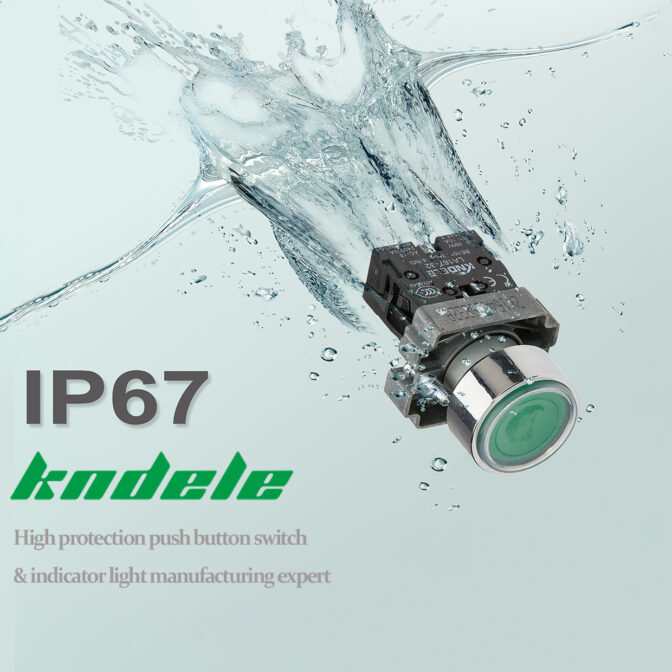
    • IP65 / IP67 enclosures protect against dust, oil, and water, making them suitable for harsh production lines.

    • Some models are also IK-rated for impact resistance.

  5. Compliance Standards:

    • IEC 60947-5-1 – General requirements for control circuit switches.

    • IEC 60947-5-5 – Emergency stop requirements.

    • UL, CE, CCC – Regional certifications ensuring safety and reliability.

In short: an industrial push button switch is not just a switch—it is a safety-certified interface designed to ensure safe, reliable, and repeatable machine operation.

(For a deeper look at real-world uses, see our related article on push button switch applications).

Different Types of Push Button Switches for Industrial

Different Types of Push Button Switches

Push button switches can be classified by operation mode, function, and structural design. Let’s explore each type in detail.

1. By Operation Mode

Momentary Push Button Switch

  • How it works: Returns to its normal state once released.

  • Use case: Often used for start signals in motor control, or as an input in automation panels.

  • Engineering detail: Provides tactile feedback, ensuring reliable operator response. Can be NO or NC depending on circuit design.

  • Example: Green “Start” button on a conveyor system.

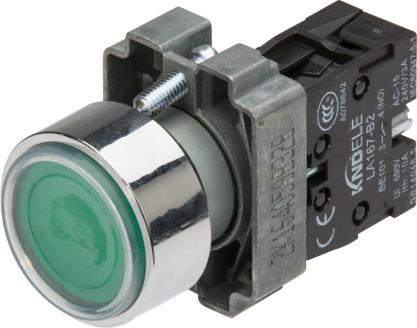
Green Led Momentary Push Button Switch Product

Maintained (Latching) Push Button Switch

  • How it works: Stays in position after being pressed, until pressed again.

  • Use case: Ideal for ON/OFF power circuits, mode selection, or lighting systems.

  • Engineering detail: Commonly used with dual contact blocks to handle both control signals and power isolation.

  • Example: Power switch for industrial lighting panels.

2. By Function

Start and Stop Push Buttons

  • Description: Usually paired—Green for Start (NO) and Red for Stop (NC).

  • Application: Standard in motor starters, control panels, and production line stations.

  • Engineer’s note: Using separate colors improves operator safety and reduces human error.

Emergency Stop (E-Stop) Buttons

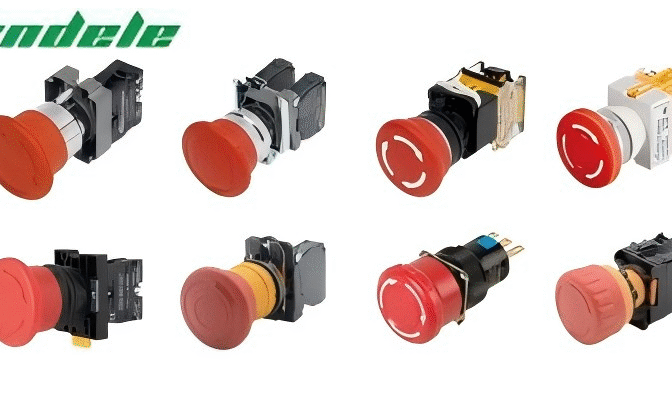
  • Description: Large mushroom-shaped red button; once pressed, it locks in position and requires a twist or pull to release.

  • Standard compliance: Must meet IEC 60947-5-5.

  • Application: Used on machines where immediate shutdown is critical, such as presses, CNC machines, and conveyor systems.

  • Engineer’s note: Always wired with NC contacts to ensure fail-safe operation.

emergency shut off switch Appearance

Illuminated Push Buttons

  • Description: Include integrated LED lights to indicate machine status (green = running, red = fault, amber = standby).

  • Application: Common in process control panels.

  • Engineer’s note: Improves usability in noisy environments where audible alarms may not be heard.

22MM Blue Lighting Push Button Light Switch Product Appearance

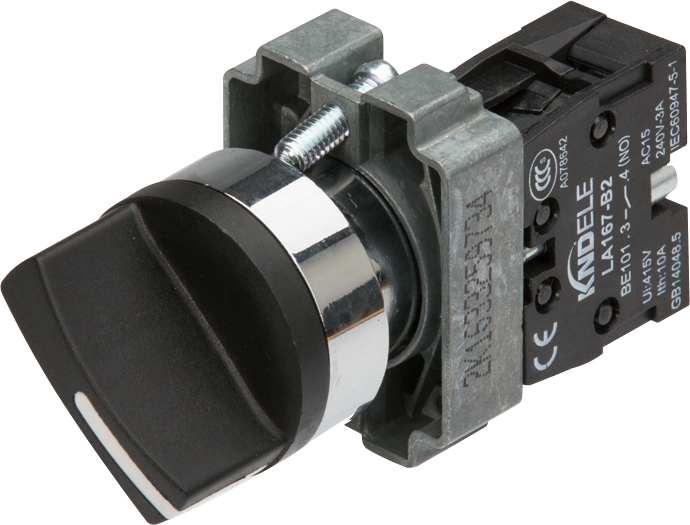
Selector Push Buttons

  • Description: Rotary style button with multiple positions (e.g., Manual / Auto / Remote).

  • Application: Used in industrial automation to switch between control modes.

  • Engineer’s note: Reduces panel space compared to multiple individual buttons.
Double Push Buttons

  • Description: Two actuators stacked in one housing (Start/Stop).

  • Application: Compact solution for machine control stations.

  • Engineer’s note: Saves space and simplifies wiring for operators.

Key-Operated Push Buttons

  • Description: Operated with a key to prevent unauthorized use.

  • Application: Found in elevators, cranes, and restricted access systems.

  • Engineer’s note: Often combined with maintained contacts for security-critical systems.

3. By Structural and Environmental Design

Flush Head Buttons

  • Advantage: Reduced risk of accidental operation.

  • Application: High-traffic panels in public or industrial areas.

Extended Head Buttons

  • Advantage: Easier to press when wearing gloves.

  • Application: Heavy industry, cold storage facilities.

Waterproof / Dustproof Buttons

  • Advantage: IP65–IP67 rated, resistant to water jets, oil, and dust.

  • Application: Food processing, outdoor equipment, marine applications.

Explosion-Proof Buttons

  • Advantage: Built to ATEX / IECEx standards, prevents sparks from igniting flammable gases.

  • Application: Oil & gas plants, chemical factories, mining operations.

Comparison of Push Button Switch Types

Beyond the basics, engineers often compare push buttons using additional dimensions such as contact material, actuation force, and maintenance requirements.

Type Operation Contacts IP Rating Standards Durability Applications
Momentary Auto-reset NO / NC IP40–IP67 IEC 60947-5-1 1–5 million cycles Start signals, machine cycles
Maintained Latching NO / NC IP40–IP67 IEC 60947-5-1 1–3 million cycles Power ON/OFF, lighting circuits
Emergency Stop Push-lock NC IP65+ IEC 60947-5-5 0.5–1 million cycles Machine safety shutdowns
Illuminated Both NO / NC IP40–IP65 IEC / UL / CE 0.5–2 million cycles Status indication panels
Key-Operated Maintained NO / NC IP40–IP67 IEC / UL / CE 1–3 million cycles Access control, elevators, cranes
Explosion-Proof Both NO / NC ATEX / IECEx IECEx / ATEX 0.5–2 million cycles Oil, gas, mining, chemical plants

Additional comparison factors:

  • Contact Material (silver alloy vs gold-plated for low current).

  • Actuation Force (light touch vs heavy-duty).

  • Mounting Method (panel-mount vs PCB-mount).

  • Serviceability (modular designs allow easy replacement of contact blocks).

Industrial Applications of Push Button Switches

Push button switches are found across nearly every industrial sector:

  1. Power Distribution Panels

    • Used for circuit control, ON/OFF switching, and fault indication.

    • Keywords: electrical cabinets, control panels, low-voltage switchgear.

  2. Industrial Machinery & Automation

    • Start/Stop controls for CNC machines, conveyor belts, packaging systems.

    • Emergency stops in compliance with IEC 60947 standards.

    • Keywords: machine safety, operator interface, automation systems.

  3. Energy & Utilities

    • Used in substations and smart grid control systems.

    • Support remote/local mode switching with selector buttons.

    • Keywords: power distribution, grid automation, control circuits.

  4. Elevators & Cranes

    • Key-operated switches for restricted control.

    • Emergency stop buttons for safety compliance.

    • Keywords: lift systems, hoisting control, operator safety.

  5. Hazardous Environments

    • Explosion-proof models ensure safety in flammable areas.

    • Keywords: ATEX, IECEx, oil & gas safety, chemical plant control.

How to Choose the Right Push Button Switch

As an engineer or buyer, selecting the right switch isn’t just about price—it’s about performance, safety, and compliance. Here’s what to consider:

  1. Define the Function

    • Start/Stop? Emergency stop? Mode selection? Each has unique requirements.

  2. Match the Environment

    • Dusty, humid, outdoor, or explosive atmospheres demand higher IP or ATEX ratings.

  3. Check Contact Ratings

    • Verify current/voltage compatibility (e.g., AC-15, DC-13 utilization categories).

  4. Verify Standards Compliance

  5. Evaluate Durability

    • Higher cycle ratings = lower long-term maintenance costs.

  6. Consider Ergonomics & Safety

    • Flush buttons for anti-accidental use, extended for glove operation, mushroom for emergencies.

  7. Think About Maintenance

    • Modular designs allow quick replacement of contact blocks without rewiring.

From years of sourcing experience, the most common mistake buyers make is overlooking compliance. A cheaper push button switch may look identical, but without IEC or UL certification, it can fail under load or during an emergency—putting safety and reputation at risk.

Conclusion

Industrial push button switches may be small, but they are the front line of machine safety and control. By understanding the different types of push button switches, their standards, and their real-world applications, engineers and buyers can make informed choices that ensure safety, reliability, and compliance.

When selecting your next push button switch type, don’t just look at cost—consider the environment, standards, and durability. That’s how you build a control system that lasts.

Integral Guardian: the Core Application Areas of Over Under Voltage Protection Device

As a manufacturer with years of experience in producing over under voltage protection devices, we understand how crucial over- and under-voltage protectors are in our increasingly electrified world. These unsung heroes of electrical safety work silently in the background, protecting your valuable equipment from potentially damaging voltage fluctuations. In this article, we’ll explore the essential applications where these devices prove indispensable.

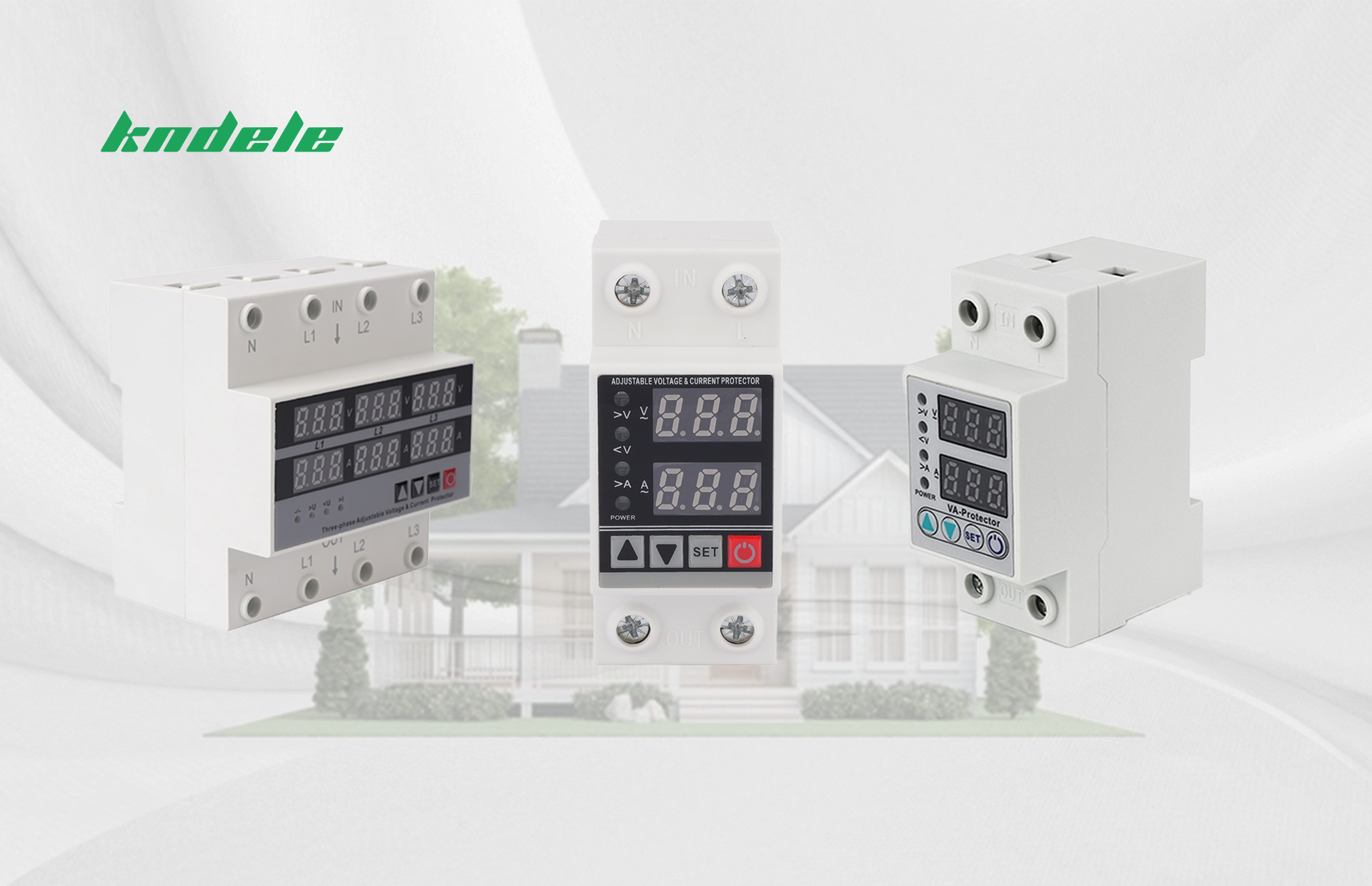
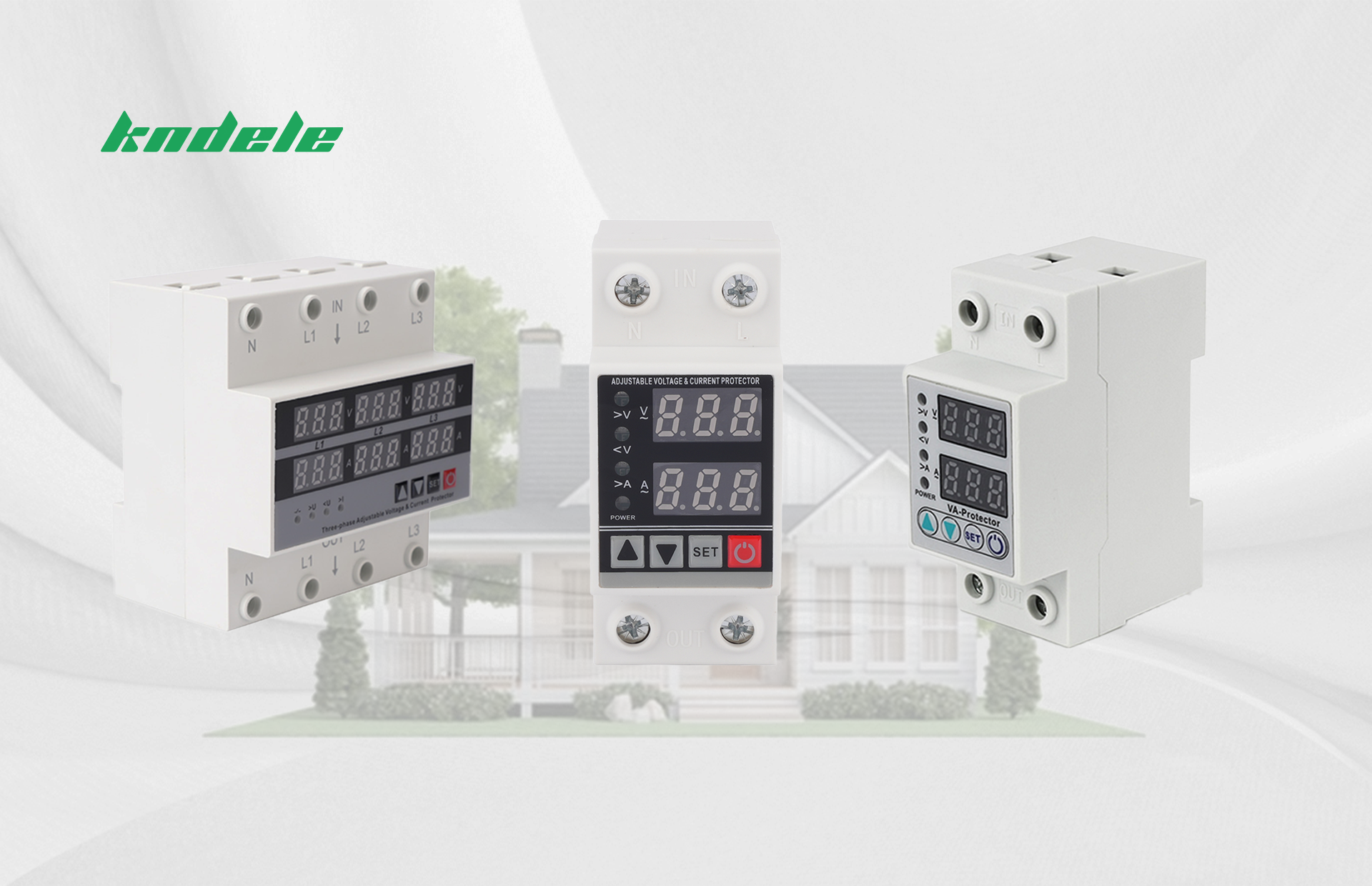
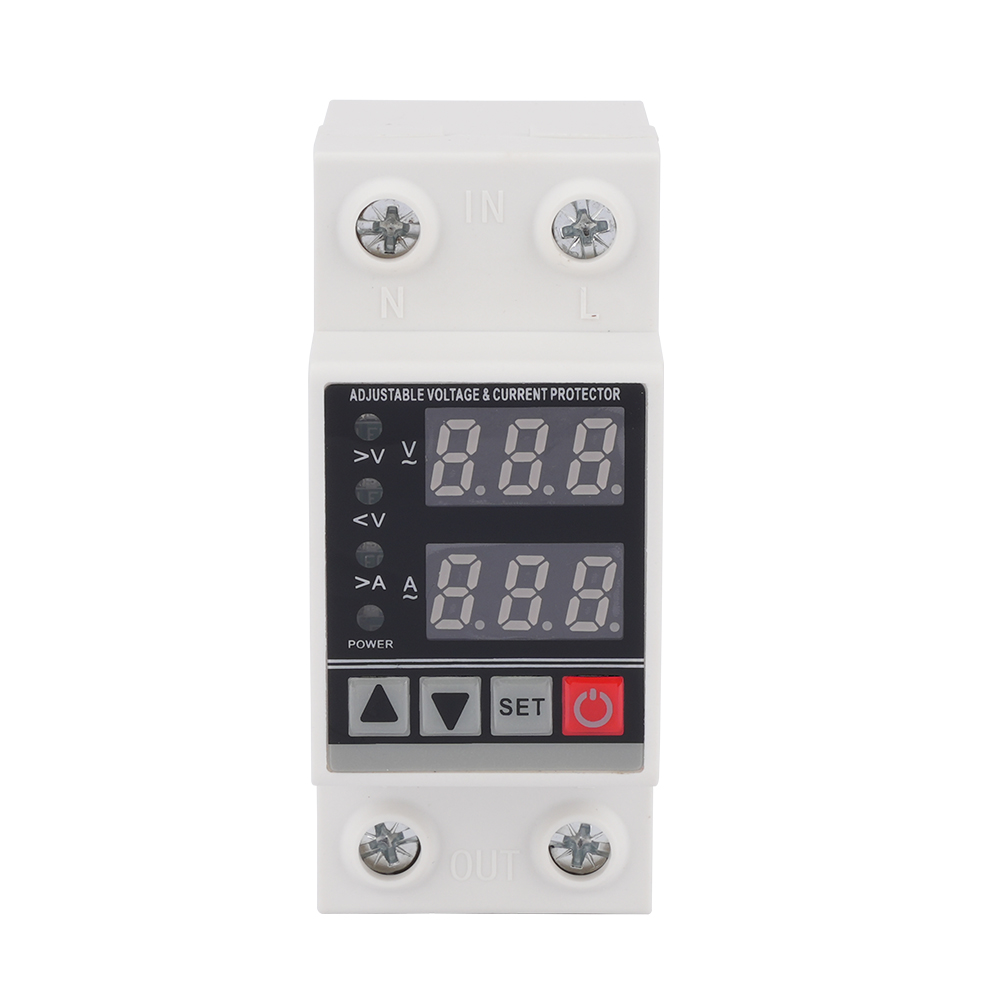
China over under voltage protection device

The value of the over- and under voltage protector lies in its broad applicability, and the following are the key areas in which it plays an important role:

Key Applications of Over and Under Voltage Protectors

1. Households and residences:

High-end appliance protection: Refrigerators, air conditioners, washing machines, TVs, computers, home theatre systems and other high-value and sophisticated electrical appliances are highly susceptible to damage from voltage fluctuations. Protectors installed in the home’s distribution box or on key socket circuits are ‘fuses’ for household appliances.These devices are designed in compliance with IEC 60947-6-2 and meet CE/UL/CCC certifications, ensuring they can be safely used in residential distribution systems worldwide.

Total Circuit Protection: Protects the entire home circuit from external grid fluctuations (e.g., abnormally high phase voltages due to neutral disconnection or unstable grid supply). For surge events such as lightning strikes, a Surge Protective Device (SPD) should be used together with an over/under-voltage protector to achieve comprehensive protection.

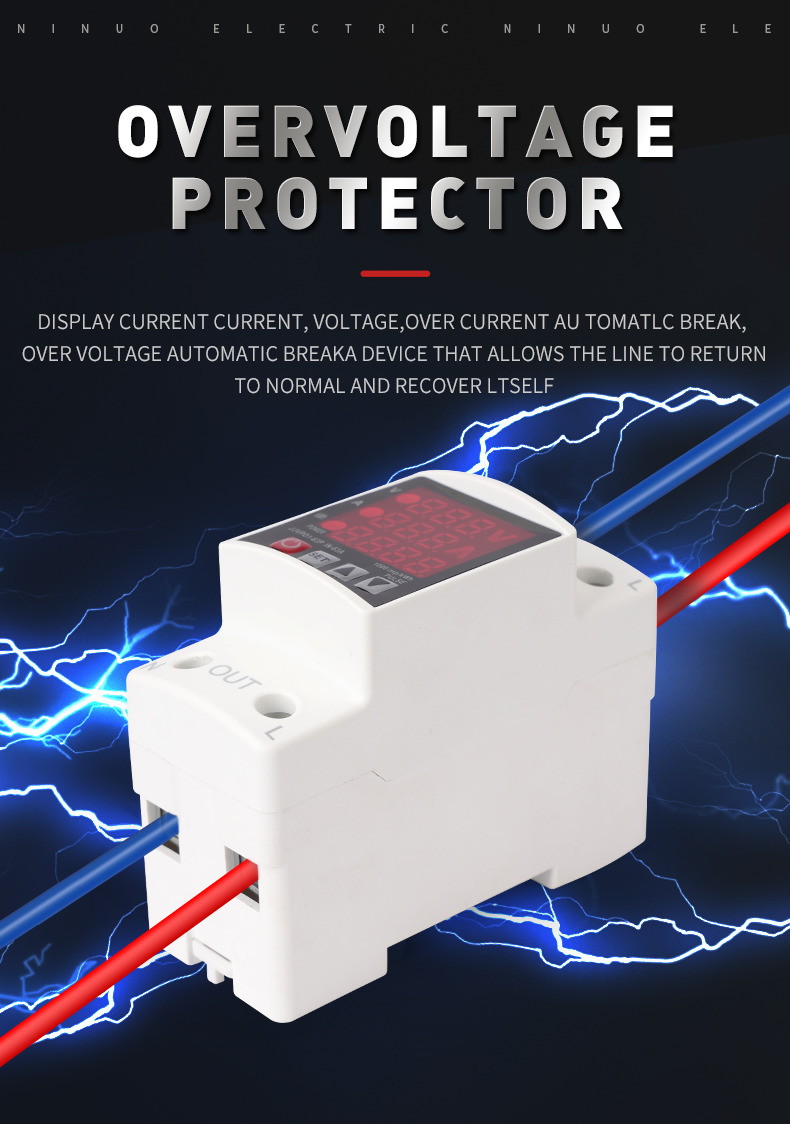
China Over Voltage Protector

2. Industrial automation and manufacturing:

Precision Equipment Security: Highly automated equipment such as CNC machine tools, PLC control systems, industrial robots, and precision measuring instruments are extremely sensitive to voltage. Abnormal voltage may lead to production interruption, product scrap or even permanent damage to the equipment, resulting in huge economic losses. Over-under-voltage protection is the key link to ensure continuous production and equipment investment.

Production Line Stability: Ensure the stability of power supply to the entire production line or key stations to avoid unplanned downtime due to voltage problems.

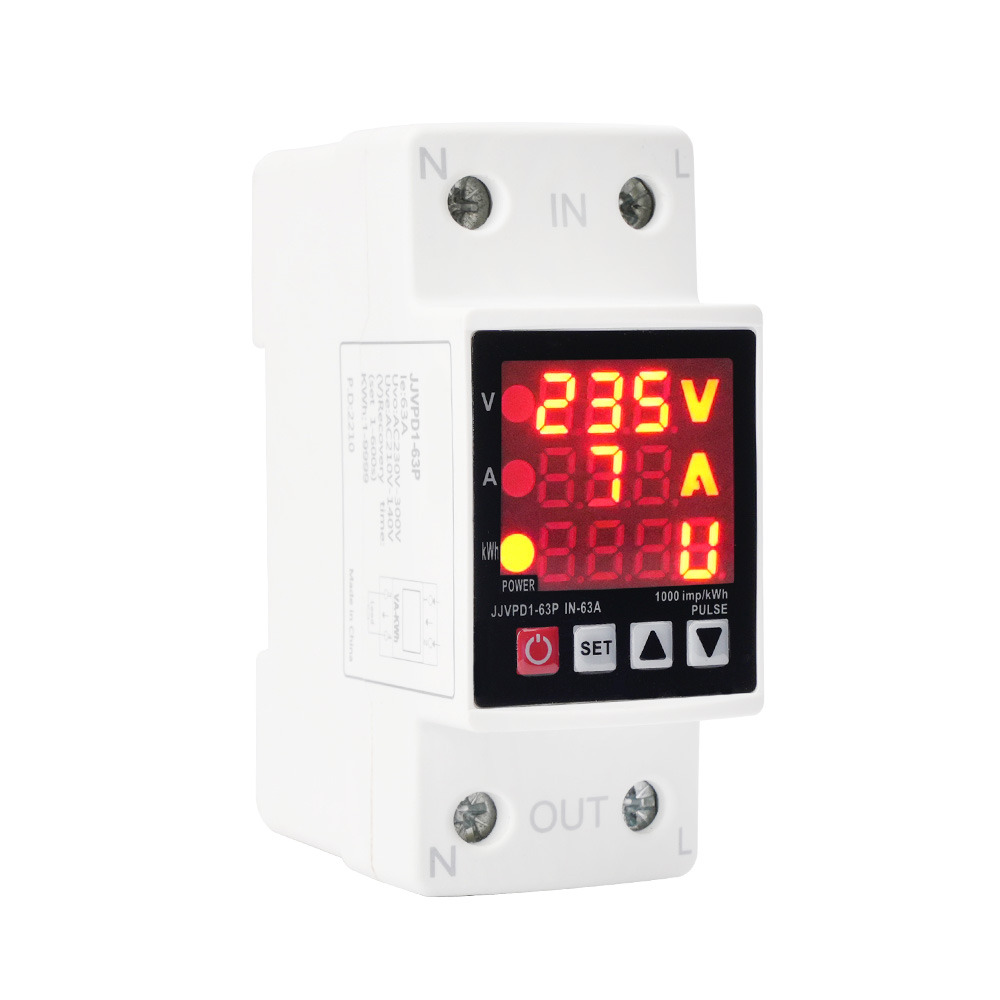
KP1-63VA KWH AV 220V Over Under Voltage Protection Device

3. Commercial buildings and public facilities:

Core system protection: Ensure the uninterrupted and safe operation of lifts, building automation systems (BAS), fire alarm systems, security monitoring systems (CCTV) and other important facilities, which is a matter of personnel safety and property protection.

Office equipment security: protect servers, data centre equipment (front protection), network equipment, printers, POS machines and other core equipment for business operations.

Retail and service industry: Protect the normal operation of catering coolers, cashier systems, lighting systems and other equipment.

4. Renewable Energy Systems:

Solar/wind power generation: Installed on the AC output side of the PV inverter or in front of critical loads to prevent damage to the inverter or load equipment due to over/under-voltage caused by grid fluctuations or faults in the system itself. Some protectors are also used on the DC side (e.g. solar panel input) (DC-specific models are required).

5. Communications infrastructure:

Base stations and switch rooms: Protect the core network equipment, transmission equipment, servers, etc. in communication base stations and switch rooms to ensure the stability and reliability of the communication network and prevent service interruptions caused by voltage problems.

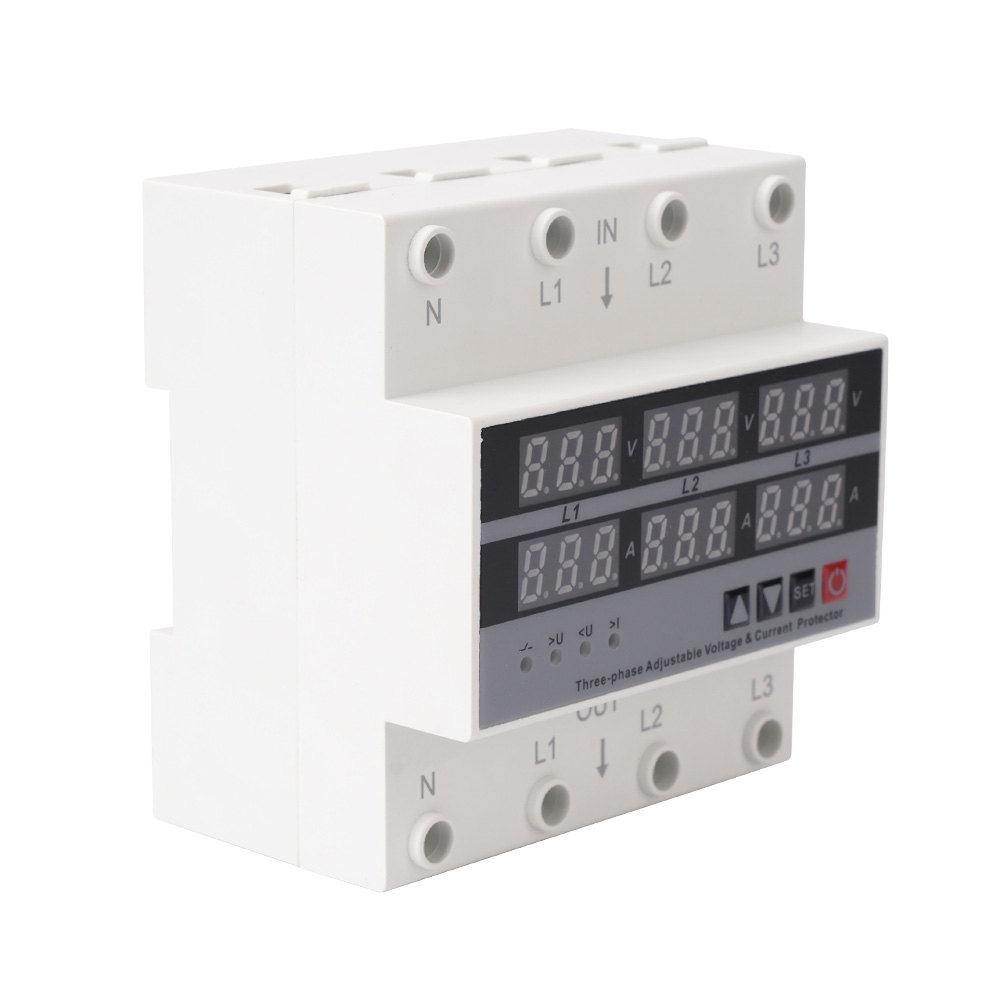
China 5P-three phase over under voltage protection device6. Medical equipment:

Life safety equipment: Provide an additional layer of protection against voltage anomalies for critical medical equipment such as monitors, ventilators, dialysis machines, diagnostic imaging equipment, etc., which is directly related to the safety of patients’ lives. Medical environments demand the highest level of stability and safety.

How Over- and Under-Voltage Protectors Work

These protectors continuously monitor the input voltage through an electronic detection circuit. Once the voltage exceeds the preset threshold (over-voltage) or drops below the minimum (under-voltage), the internal relay or contactor disconnects the load. Many models integrate MCU intelligent monitoring to ensure higher precision, with options for adjustable delay, automatic reset, or manual reset depending on the application.

Conclusion

Voltage fluctuations are an unavoidable risk in the use of electricity. As a cost-effective and responsive protective device, the over-under-voltage protector plays an indispensable role in domestic, industrial, commercial, public facilities and even life support areas. It silently guards the front end of electrical equipment, keeping out unstable voltages, significantly reducing the risk of equipment damage, enhancing the reliability and safety of system operation, and safeguarding the normal order of production and life.

KNDELE specializes in circuit protection and offers a wide range of over- and under-voltage protector solutions. We understand the unique needs of different application scenarios, and are committed to providing customers with reliable and adaptable protection products for your power safety.

What is Over & Under Voltage Protector?

In today’s world, electrical appliances and industrial equipment are becoming increasingly sensitive to voltage fluctuations. Sudden surges or drops in voltage can damage devices, reduce their lifespan, or even cause safety hazards. Over-voltage or under-voltage occurs from time to time, and these seemingly small fluctuations can cause serious damage to equipment and systems that rely on stable power operation, or even cause safety accidents. To prevent such issues, Over & Under-Voltage Protectors (OUVP) are essential.

As a manufacturer specializing in voltage protection devices, we understand the importance of reliable power management. In this blog, we will explain what an over- & under-voltage protector is, its types, functions, and how to choose the right one for your needs.

1. What is an Over & Under Voltage Protector?

An Over & Under Voltage Protector (OUVP) is an electrical device designed to monitor the voltage supply and disconnect the connected equipment when the voltage exceeds (over-voltage) or drops below (under-voltage) safe operating levels.

Over-voltage: When the voltage rises above the standard level (e.g., due to lightning strikes, power surges, or grid instability).

Under-voltage (Brownout): When the voltage drops below the required level (e.g., due to heavy load demand or faulty wiring).

Both conditions can damage motors, compressors, electronic circuits, and other sensitive equipment. The OUVP acts as an automatic switch, cutting off power during unsafe conditions and restoring it once the voltage stabilizes.

2. How Does an Over & Under-Voltage Protector Work?

The core function of the over-under voltage protector is to monitor the voltage of the power supply line in real time; it can be called a “gatekeeper” of sensitive voltages. Its internal circuit is like an alert sentry:

Real-time monitoring: continuous detection of the input voltage.

Precise judgement: Compare the detected voltage value with the preset safety threshold range (usually set or fixed).

Rapid response: The protector is activated in a very short time (milliseconds) if the voltage is outside the safe range (too high or too low).

Decisive cut-off: The action is usually a rapid cut-off of the power supply output to isolate the protected equipment or circuit from the unstable power supply.

Auto/Manual Recovery: When the voltage returns to normal and stabilises for some time, some protectors can automatically reconnect the power supply (self-recovery type) or require manual reset (manual recovery type).

This quick response and cut-off mechanism builds a safety defence for the back-end equipment and effectively avoids the risks of component breakdown, burnout, data loss, dysfunction, and even fire caused by abnormal voltage.

3. Choosing the Right Over & Under-Voltage Protector

When selecting an OUVP, consider:

Voltage Range: Ensure it matches your local power supply (e.g., 110V, 220V, 380V).

Trip Settings: Adjustable upper and lower limits for customization.

Load Capacity: Must handle the total wattage of connected devices.

Response Time: Faster response (milliseconds) is better for sensitive electronics.

Additional Features: Surge protection, time delay, LCD, and remote monitoring.

4. Conclusion

An Over & Under Voltage Protector is a vital device for protecting electrical appliances from damaging voltage fluctuations. Automatically disconnecting power during unsafe conditions enhances safety, reduces repair costs, and extends equipment lifespan.

As a professional manufacturer of voltage protection devices, we ensure high-quality, reliable OUVPs tailored for residential, commercial, and industrial needs. Investing in a good protector today can save you from costly damage tomorrow.

Protect your devices—ensure stable power with an Over & Under Voltage Protector!

For more details, never hesitate to contact us!

WhatsApp: +86 13736778777

Wechat: KND-Electric

Email: [email protected]

What Does IP Mean? Understanding IP Ratings for Push Button Switches

When selecting push button switches for your devices, you may come across terms like IP65, IP67, or IP68. These IP ratings are crucial for determining how well a switch can withstand environmental factors like dust, water, and other contaminants. But what exactly does IP mean, and why is it important for your applications?

What Is an IP Rating?

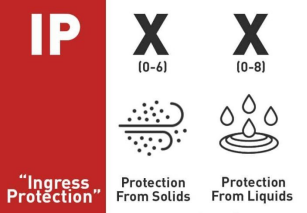
IP stands for Ingress Protection (or sometimes International Protection). It is a standard defined by the International Electrotechnical Commission (IEC 60529) that classifies the degree of protection provided by an enclosure against solids and liquids.

An IP code typically consists of two digits:

  • First digit (0-6): Protection against solid particles (dust, dirt, tools, fingers).
  • Second digit (0-9): Protection against liquids (water sprays, splashes, submersion).

The higher the number, the better the protection.

Breaking Down the IP Rating

  Digit Solids Protection (First Digit) Liquids Protection (Second Digit)
0 No special protection No special protection
1 >50mm (e.g., hands) Dripping water (vertical drops)
2 >12.5mm (e.g., fingers) Dripping water (15° tilt)
3 >2.5mm (e.g., tools, wires) Spraying water (up to 60°)
4 >1mm (e.g., small wires, screws) Splashing water (any direction)
5 Dust-protected (limited ingress) Water jets (12.5L/min, 3 min)
6 Dust-tight (no ingress) Powerful water jets (100L/min)
7 – Temporary immersion (1m, 30 min)
8 – Continuous immersion (>1m depth)
9K – High-pressure, high-temp water jets

Why Does IP Rating Matter for Button Switches?

Button switches are used in various environments—from indoor control panels to outdoor machinery, medical devices, and automotive applications. The right IP rating ensures:
✔ Durability – Resists dust, dirt, and moisture.
✔ Safety – Prevents short circuits from liquid exposure.
✔ Longevity – Extends product life in harsh conditions.

Common IP Ratings for Button Switches:

◆IP65 – Dust-tight & protected against water jets (suitable for outdoor use).

◆IP67 – Dust-tight & can withstand temporary immersion (ideal for washdown environments).

◆IP68 – Dust-tight & submersible for prolonged periods (used in underwater applications).

LA167-B2-BAF31 IP67 Push Button Switch

LA167-B2-BDF21 IP67 On-Off Selector Switch

Choosing the Right IP Rating

When selecting a button switch, consider:
● Environment – Will it be exposed to rain, dust, or chemicals?
● Application – Is it for industrial, marine, or medical use?
● Cleaning Requirements – Does it need to withstand high-pressure washing?

At KNDELE, we manufacture push button switches with IP65 to IP68 ratings, ensuring reliability in the toughest conditions. Whether you need switches for outdoor machinery, food processing, or underwater equipment, we have the right solution.

Conclusion

Understanding IP ratings helps you choose the best push button switch for your needs, ensuring performance and longevity. Always check the IP code to match your environmental requirements.

Need help selecting the right switch? Contact us today!KNDELE push button switch