All posts by pj1junj

The Latest Innovations in Electrical Push Button Switches

Introduction

Electrical push button switches may seem simple, but they are evolving rapidly as technology advances and user demands grow. From smart connectivity to advanced materials and enhanced user feedback, the latest innovations are transforming how these switches are designed and used across industries. In this article, we explore the most exciting developments in electrical push button switches.
Smart Push Button Switches and IoT Integration

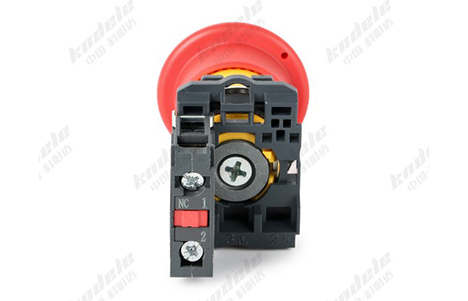
A major trend is the integration of push button switches into smart systems and the Internet of Things (IoT). Smart switches allow remote control via mobile apps, voice assistants, and integration with automation systems.

Benefits include:

Remote operation and monitoring

Customizable automation routines

Compatibility with smart home and industrial platforms

This development is pushing traditional push buttons toward more interactive and data-driven roles in both consumer and industrial settings.

Enhanced Feedback and User Experience

Manufacturers focus on user experience and ergonomic design, including:

Multi-color LED indicators for real-time status feedback

Tactile or haptic feedback for confirmation through touch

Capacitive sensing for touch-activated switches

These features make switches more accessible and reliable in environments where visual or sensory feedback is crucial.

Waterproof, Dustproof, and Rugged Designs

Push button switches are being engineered for harsh environments. Enhanced protection levels like IP65 and higher ensure reliable operation even under exposure to water, dust, and debris.

Applications:

Construction sites

Agricultural machinery

Marine and outdoor equipment

Materials Innovation and Sustainability

Environmental considerations are shaping modern push button switches:

Lead-free metals and coatings

Recyclable plastics and composites

Sustainable packaging and long-life designs

This trend helps manufacturers meet stricter regulatory standards and global sustainability goals.

Multifunction and Integrated Capabilities

Modern push buttons often combine multiple functions in a single unit:

LED status indicators

Touch or gesture control

Wireless communication modules

Biometric or security sensors

These multifunctional switches are ideal for advanced control panels, access systems, and smart industrial interfaces.

Research Frontiers: Aerial and Ultrasound Feedback

Emerging research explores entirely new interaction experiences, such as ultrasound-based tactile feedback, where users feel button feedback without physical displacement. This innovation could redefine how we think about “pressing a button” in the future.

Conclusion

Electrical push button switches are evolving into smart, durable, and multifunctional components. Innovations in IoT integration, user feedback, rugged design, sustainability, and multifunction capabilities are transforming both industrial and consumer applications. Staying aware of these trends helps designers, engineers, and users make better decisions when choosing push button switches.

FAQ

Q1: What are smart push button switches?
They are switches integrated with IoT or automation systems, allowing remote control and monitoring.

Q2: Why are LED indicators important?
LEDs provide real-time visual feedback, helping operators monitor status and reduce errors.

Q3: What does IP65 or IP67 rating mean?
These ratings indicate protection against dust and water, important for harsh industrial or outdoor environments.

Q4: Are there push buttons with integrated security features?
Yes, some modern push buttons include biometric sensors or wireless communication modules for advanced control and access systems.
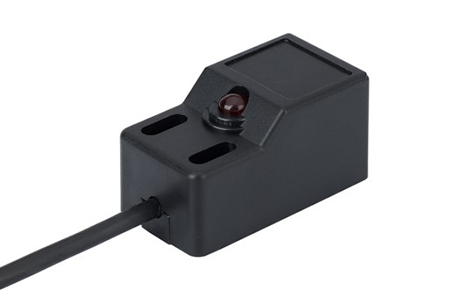
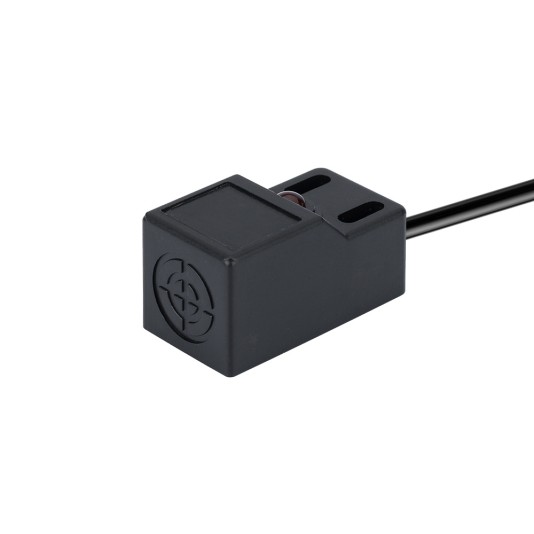
Top Applications of Angle Post Type Proximity Switches in Industrial Automation

Introduction

In the fast-paced world of industrial automation, accurate and reliable sensing is crucial for efficient operations. Among the many types of sensors, Angle Post Type Proximity Switches have gained popularity due to their unique design, non-contact operation, and versatility. These sensors are widely used to detect the presence or absence of objects in industrial processes without physical contact, ensuring safety, precision, and minimal wear.

Conveyor Systems and Material Handling

One of the most common applications of angle post type proximity switches is in conveyor systems. These sensors detect the position of items on conveyor belts, enabling:

Precise sorting of products

Accurate counting of items

Triggering downstream equipment such as packaging machines or robotic arms

The angled post design allows the sensor to fit into tight spaces along the conveyor line, providing reliable detection without interfering with the flow of materials.

Robotics and Automated Machinery

Robotics relies heavily on precise position detection to perform tasks accurately. Angle post type proximity switches are often used to:

Detect the presence of components in assembly lines

Confirm the position of robotic arms or end-effectors

Trigger automated processes based on object proximity

Their non-contact operation ensures minimal mechanical wear and reliable long-term performance in high-speed robotic environments.

Packaging and Filling Lines

In packaging and filling industries, precise detection of containers, bottles, or cartons is essential for efficient operations. Angle post type proximity switches help to:

Monitor the presence of items before filling or sealing

Control the timing of automated packaging equipment

Prevent jams or misalignments in high-speed production lines

This improves both productivity and product quality, while reducing the risk of equipment damage.

Metal Detection and Machining Processes

Inductive angle post proximity switches are especially useful in metal detection applications. They are commonly used to:

Detect metal parts on assembly lines

Ensure correct placement of components in machining processes

Trigger machinery or alarms when metallic objects are in position

Their durability and resistance to dust, oil, and vibration make them ideal for harsh industrial environments.

Safety and Position Monitoring

Safety is a top priority in industrial automation. Angle post type proximity switches are used to:

Monitor access to restricted areas

Detect machinery parts’ positions to prevent collisions

Serve as limit switches to stop machines when objects enter unsafe zones

This application not only protects personnel but also prevents costly damage to equipment.

Quality Control and Inspection Systems

In automated inspection and quality control systems, angle post type proximity switches help to:

Detect the presence or absence of components for assembly verification

Trigger sensors or cameras at precise positions for inspection

Ensure consistent product quality in automated lines

Their precise detection capabilities make them an essential tool in modern quality assurance processes.

Conclusion

Angle post type proximity switches are versatile, reliable, and essential sensors in industrial automation. From conveyor systems to robotics, packaging, metal detection, safety monitoring, and quality control, their non-contact operation and flexible angled design make them suitable for a wide range of industrial applications. By incorporating these sensors, manufacturers can achieve higher efficiency, safety, and accuracy in their automated processes.

Angle Post Type Proximity Switch: What It Is and How It Works

Introduction

In modern industrial automation, sensors play a critical role in ensuring efficient, safe, and reliable operations. Among these sensors, the Angle Post Type Proximity Switch is widely used for detecting the presence or absence of objects without physical contact. In this article, we will explore what an angle post type proximity switch is, how it works, and why it is essential in industrial applications.

What Is an Angle Post Type Proximity Switch?

An Angle Post Type Proximity Switch is a type of non-contact sensor designed to detect metal or other target objects in close proximity. Unlike traditional mechanical switches, it operates without any physical contact, making it ideal for high-speed, high-wear, or harsh environments.

The “angle post” design refers to the switch’s structural form, where the sensing element is mounted on a post at a specific angle. This configuration allows the sensor to be installed in tight spaces or at precise orientations, improving detection accuracy and flexibility in various industrial setups.

Key Features:

Non-contact detection: Reduces wear and tear compared to mechanical switches.

Compact design: The angled post allows installation in confined spaces.

Durable construction: Suitable for harsh environments with dust, moisture, or vibration.

Versatile output options: Usually available in NPN, PNP, or analog outputs.

How Does an Angle Post Type Proximity Switch Work?

Angle post type proximity switches typically operate on inductive or capacitive principles:

Inductive Proximity Switch:

Detects metallic objects using an electromagnetic field generated at the sensing face.

When a metal object enters the field, the switch changes state, sending an electrical signal.

Commonly used for metal detection in automated machinery.

Capacitive Proximity Switch:

Detects both metallic and non-metallic objects by sensing changes in capacitance.

Ideal for detecting plastics, liquids, or granular materials.

The angled post design enhances the sensing capability by allowing better alignment with the target object. This ensures more accurate detection, even in confined or challenging installation scenarios.

Advantages of Angle Post Type Proximity Switches

Longer lifespan: Non-contact operation reduces mechanical wear.

High reliability: Resistant to dust, dirt, and oil contamination.

Flexible installation: Angled design allows placement in hard-to-reach areas.

Fast response: Suitable for high-speed automation processes.

Maintenance-free: Minimal servicing required, reducing downtime and costs.

Common Applications

Angle post type proximity switches are widely used across different industries, including:

Manufacturing and Automation: Detecting parts on conveyor belts or assembly lines.

Packaging Industry: Monitoring position of packaging materials.

Material Handling: Detecting metal objects in sorting and handling equipment.

Robotics: Ensuring accurate positioning of robotic arms.

Safety Systems: Triggering alarms or stops when objects enter restricted zones.

Conclusion

The Angle Post Type Proximity Switch is an essential sensor in modern industrial automation. Its non-contact detection, durable design, and flexible installation make it a reliable choice for a wide range of applications. By understanding how it works and its advantages, engineers and technicians can select the right switch to improve operational efficiency, safety, and longevity of their systems.

How to Choose the Right Photoelectric Switch for Your Project

Introduction

Selecting the right sensor is crucial for the success of any automation or industrial project. Among various types of sensors, photoelectric switches are widely used for object detection, distance measurement, and process control due to their accuracy and reliability. However, choosing the appropriate photoelectric switch can be challenging given the variety of types, features, and environmental considerations. This guide will help you make an informed decision for your project.

What Is a Photoelectric Switch?

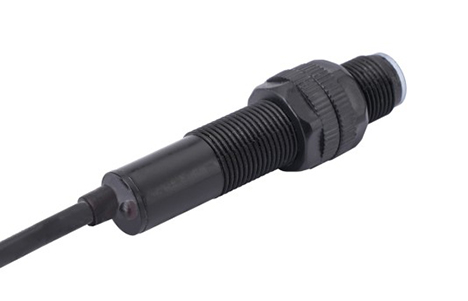
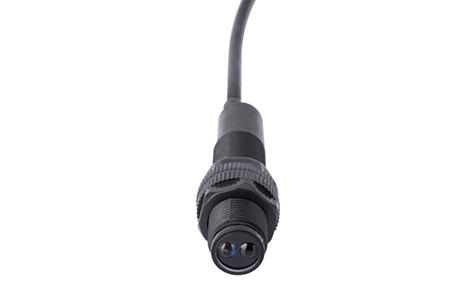
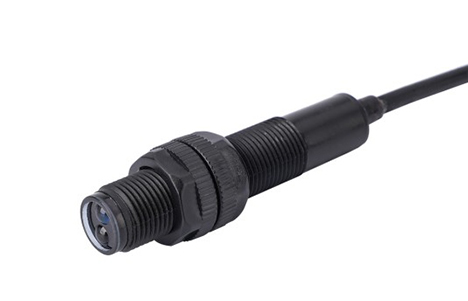
A photoelectric switch (or photoelectric sensor) detects objects using a light beam—infrared, visible, or laser. Unlike mechanical switches, it operates without physical contact, reducing wear and tear while providing fast and precise detection. Photoelectric switches are commonly used in industrial automation, material handling, packaging, and safety systems.

Key Factors to Consider When Choosing a Photoelectric Switch

Detection Mode

Photoelectric switches operate in three main modes:

Through-Beam (Opposed Mode): The emitter and receiver are separate. The sensor detects objects when the beam is interrupted.

Best for: Long-range detection and high-accuracy applications.

Retroreflective Mode: The emitter and receiver are in the same unit, using a reflector opposite the sensor. The sensor triggers when the reflected light is blocked.

Best for: Medium-range detection with simpler installation.

Diffuse (Proximity) Mode: The sensor detects objects based on light reflected directly from the object.

Best for: Short-range detection without needing a separate reflector.

Detection Distance

Consider the range you need:

Through-beam sensors: typically the longest detection distance, up to several meters.

Retroreflective sensors: moderate range, generally a few centimeters to a couple of meters.

Diffuse sensors: usually short-range, ideal for compact setups.

Choose a sensor that matches the distance between the sensor and the target object in your project.

Object Type and Surface

The material, color, and transparency of the target object affect detection:

Opaque objects: Most sensors can detect them easily.

Transparent objects: Polarized retroreflective or specialized sensors are required.

Reflective surfaces: Diffuse sensors may need adjustment or high-sensitivity models.

Understanding the object characteristics ensures reliable detection.

Environmental Conditions

Industrial environments vary, so consider:

Temperature: Ensure the sensor operates within the expected temperature range.

Dust and moisture: Choose sensors with an appropriate IP rating for protection.

Vibration or mechanical impact: Opt for robust sensors with shock resistance.

Response Time

High-speed production lines require fast detection. Check the sensor’s response time to ensure it meets your operational speed requirements.

Output Type

Photoelectric switches can provide different output signals:

PNP/NPN (Sinking/Source): Choose based on your control system compatibility.

Relay output: Useful for switching higher loads.

Analog output: Needed for distance measurement or proportional control applications.

Power Supply Requirements

Ensure the sensor’s voltage and current ratings match your system. Common options include 12-24V DC or 100-240V AC.

Mounting and Installation

Consider sensor size, shape, and mounting options:

Space constraints in your system

Ease of alignment with objects or reflectors

Adjustability for fine-tuning detection

Additional Features

Modern photoelectric switches may include:

Adjustable sensitivity

Indicator LEDs for easy troubleshooting

Timer functions or delay outputs

Built-in logic for specific detection scenarios

These features can enhance flexibility and simplify maintenance.

Common Applications of Photoelectric Switches

Industrial Automation: Conveyor monitoring, robotic arms, and assembly verification.

Packaging Industry: Detecting missing items, checking fill levels, and ensuring proper alignment.

Safety Systems: Door automation, collision avoidance, and emergency stops.

Material Handling: Sorting, positioning, and object detection on production lines.

FAQ

Q1: Can I use the same sensor for different object types?
A: It depends. Transparent or highly reflective objects may require specialized sensors, while standard opaque objects can be detected by most models.

Q2: How do I know which detection mode to use?
A: Base your choice on the installation distance, object type, and environmental conditions. Through-beam for long distance, retroreflective for medium distance, and diffuse for short-range applications.

Q3: What IP rating should I consider for industrial use?
A: Typically, IP65 or higher is recommended for dusty, wet, or harsh industrial environments.

Q4: Can I adjust the sensitivity of a photoelectric switch?
A: Many modern switches allow sensitivity adjustments to improve detection accuracy under varying conditions.

Conclusion

Choosing the right photoelectric switch is essential for ensuring reliable operation, high efficiency, and minimal downtime in your project. By considering factors such as detection mode, object type, environmental conditions, response time, and mounting requirements, you can select a sensor that meets your specific needs. Investing time in proper selection not only enhances productivity but also reduces maintenance costs and operational risks.

Top Advantages of Using Photoelectric Switches in Industrial Automation

Introduction

In the era of Industry 4.0, automation has become a key driver of efficiency, accuracy, and productivity. Among the critical components that make automation possible, photoelectric switches stand out as versatile and reliable sensors. These non-contact devices detect objects, measure distances, and trigger control signals, making them essential in modern industrial operations. In this article, we explore the top advantages of using photoelectric switches in industrial automation and why they are preferred over traditional sensing methods.

What Are Photoelectric Switches?

A photoelectric switch, also known as a photoelectric sensor, is an electronic device that uses light—infrared, visible, or laser—to detect the presence, absence, or distance of an object. Unlike mechanical switches that rely on physical contact, photoelectric switches operate without touching the target object, reducing wear and tear and improving operational reliability.

These sensors are widely used in industrial automation, including assembly lines, packaging systems, conveyor monitoring, robotic control, and safety applications.

Top Advantages of Photoelectric Switches in Industrial Automation

Non-Contact Operation

One of the most significant advantages of photoelectric switches is that they operate without physical contact. This non-contact functionality:

Minimizes mechanical wear and maintenance requirements

Reduces the risk of damaging sensitive objects

Enhances sensor longevity and reliability

This makes them ideal for high-speed production environments where mechanical sensors would wear out quickly.

High Accuracy and Fast Response Time

Photoelectric switches provide highly precise detection, even for small or fast-moving objects. With response times in milliseconds, they can:

Detect objects on high-speed conveyor belts

Trigger robotic arms for precise pick-and-place operations

Support real-time quality control checks

This high speed and accuracy are crucial for industries where precision directly affects product quality and efficiency.

Versatility in Object Detection

Photoelectric switches can detect a wide range of materials and objects, including:

Transparent, opaque, or reflective objects

Small parts, liquids, or packaging materials

Irregularly shaped or moving items

Depending on the type—through-beam, retroreflective, or diffuse—they can be adapted to nearly any detection scenario in industrial automation.

Durable and Reliable in Harsh Environments

Many industrial environments involve dust, moisture, heat, or vibrations. Photoelectric switches are designed to:

Operate reliably under extreme temperatures

Resist dust, oil, and other contaminants

Maintain stable performance in vibrating or moving equipment

This durability ensures minimal downtime and consistent production quality.

Energy Efficiency

Compared to other sensors, photoelectric switches consume minimal power while providing high-performance detection. Their energy-efficient design is beneficial for:

Large-scale automated production lines

Energy-conscious factories and smart manufacturing facilities

Easy Integration and Maintenance

Photoelectric switches are compact, lightweight, and easy to install. Most models offer simple wiring and mounting options, allowing them to be integrated seamlessly into existing automation systems. Minimal moving parts also reduce maintenance needs, lowering operational costs over time.

Common Industrial Applications

Photoelectric switches are used in various sectors, including:

Manufacturing: Object detection, part counting, assembly verification

Packaging: Monitoring fill levels, detecting missing items, ensuring alignment

Material Handling: Conveyor monitoring, sorting, and positioning

Safety Systems: Automated doors, anti-collision, and emergency shutdowns

Their versatility makes them a core component of industrial automation systems worldwide.

FAQ

Q1: Can photoelectric switches detect transparent objects?
A: Yes, specialized sensors like polarized retroreflective or through-beam types can reliably detect transparent materials such as glass or plastic.

Q2: How do photoelectric switches differ from mechanical switches?
A: Unlike mechanical switches, photoelectric switches detect objects without physical contact, reducing wear, maintenance, and the risk of damage.

Q3: What factors should I consider when selecting a photoelectric switch?
A: Consider detection distance, object type, environmental conditions, response time, and mounting requirements.

Q4: Are photoelectric switches suitable for outdoor use?
A: Many models are designed with IP-rated housings to withstand dust, water, and temperature extremes, making them suitable for both indoor and outdoor industrial applications.

Conclusion

Photoelectric switches have become indispensable in industrial automation due to their non-contact operation, high precision, versatility, and durability. By integrating these sensors into production lines, manufacturers can enhance efficiency, reduce maintenance costs, and improve overall process reliability. Whether in manufacturing, packaging, material handling, or safety systems, photoelectric switches remain a cornerstone of modern automation technology.

What Is a Photoelectric Switch? Definition, Working Principle, and Key Applications

Introduction

In modern industrial automation and smart systems, sensors play a critical role in detecting objects, controlling processes, and improving efficiency. Among these sensors, the photoelectric switch is one of the most widely used devices due to its precision, versatility, and reliability. This article will explore what a photoelectric switch is, how it works, and its key applications across various industries.

What Is a Photoelectric Switch?

A photoelectric switch, also known as a photoelectric sensor, is an electronic device that detects the presence, absence, or distance of an object using a light beam—typically infrared, visible, or laser light. Unlike mechanical switches that rely on physical contact, photoelectric switches operate without touching the object, which reduces wear and tear and increases the lifespan of the device.

In essence, a photoelectric switch converts light energy into an electrical signal. When an object interrupts or reflects the light beam, the sensor triggers a response, such as turning on a machine, stopping a conveyor belt, or sending a signal to a control system.

How Does a Photoelectric Switch Work?

Photoelectric switches work based on the interaction between a light source and a receiver. There are three common working modes:

Through-Beam Mode

In this mode, the sensor consists of a separate emitter and receiver placed opposite each other.

The emitter sends a continuous light beam to the receiver.

When an object blocks the beam, the receiver detects the interruption, and the switch is activated.

Advantages: Long detection range, high accuracy.

Common Use: Conveyor systems, object counting.

Retroreflective Mode

The emitter and receiver are in the same housing, and a reflector is installed opposite the sensor.

Light emitted by the sensor reflects off the reflector back to the receiver.

When an object interrupts the reflected beam, the sensor triggers an output signal.

Advantages: Simple installation, moderate detection distance.

Common Use: Door sensors, packaging lines.

Diffuse (or Proximity) Mode

The sensor emits light, which reflects directly off the object and returns to the receiver.

The sensor detects the object based on the reflected light intensity.

Advantages: No need for a separate reflector, flexible installation.

Common Use: Object detection on production lines, material handling.

Key Advantages of Photoelectric Switches

Non-contact operation: Minimizes mechanical wear and increases device lifespan.

High precision: Accurate detection of objects, even small or fast-moving ones.

Versatility: Can detect transparent, opaque, or reflective objects depending on the type.

Fast response time: Ideal for high-speed automation processes.

Easy installation and maintenance: Compact design and minimal moving parts.

Applications of Photoelectric Switches

Photoelectric switches are widely used across different industries:

Industrial Automation

Detecting objects on assembly lines, counting parts, and controlling robotic arms.

Packaging Industry

Ensuring proper alignment, filling levels, and detecting missing items.

Safety Systems

Door and gate automation, anti-collision systems in machinery.

Material Handling

Conveyor belt monitoring, sorting systems, and object positioning.

Smart Buildings

Lighting control based on occupancy detection and energy-saving systems.

Automotive Industry

Detecting vehicle presence in parking systems or automated assembly lines.

FAQ

Q1: Can photoelectric switches detect transparent objects?
A: Yes, some specialized sensors, like through-beam or polarized retroreflective types, are designed to detect transparent materials such as glass or plastic.

Q2: What is the difference between a photoelectric switch and an infrared sensor?
A: While both use light, photoelectric switches are generally used for object detection and automation, whereas infrared sensors often focus on motion or temperature detection.

Q3: How far can a photoelectric switch detect?
A: Detection range varies by type: through-beam sensors can reach several meters, while diffuse sensors are usually effective at shorter distances.

Q4: How do I choose the right photoelectric switch for my project?
A: Consider factors like detection distance, object type, environmental conditions, and mounting constraints.

Conclusion

A photoelectric switch is a reliable, efficient, and versatile sensor widely used in automation, safety, and industrial applications. By understanding its working principles, types, and applications, engineers and system designers can optimize processes, enhance safety, and improve productivity. Whether for detecting objects on a production line or automating doors and lighting, photoelectric switches remain a cornerstone of modern sensor technology.