


In modern industrial automation, sensors play a critical role in ensuring efficient, safe, and reliable operations. Among these sensors, the Angle Post Type Proximity Switch is widely used for detecting the presence or absence of objects without physical contact. In this article, we will explore what an angle post type proximity switch is, how it works, and why it is essential in industrial applications.
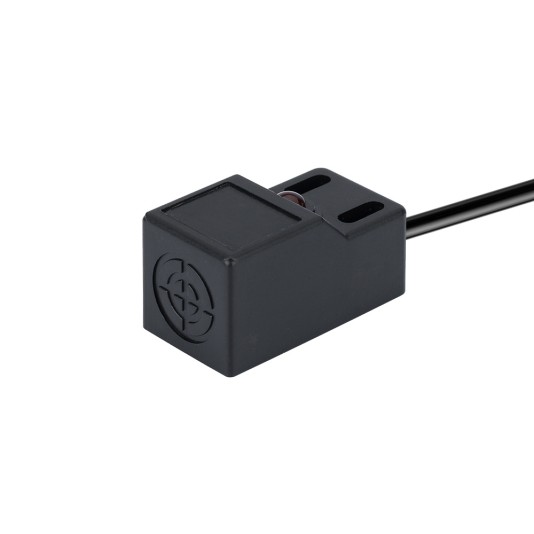 What Is an Angle Post Type Proximity Switch?
An Angle Post Type Proximity Switch is a type of non-contact sensor designed to detect metal or other target objects in close proximity. Unlike traditional mechanical switches, it operates without any physical contact, making it ideal for high-speed, high-wear, or harsh environments.
The “angle post” design refers to the switch’s structural form, where the sensing element is mounted on a post at a specific angle. This configuration allows the sensor to be installed in tight spaces or at precise orientations, improving detection accuracy and flexibility in various industrial setups.
Non-contact detection: Reduces wear and tear compared to mechanical switches.
Compact design: The angled post allows installation in confined spaces.
Durable construction: Suitable for harsh environments with dust, moisture, or vibration.
Versatile output options: Usually available in NPN, PNP, or analog outputs.
Angle post type proximity switches typically operate on inductive or capacitive principles:
Inductive Proximity Switch:
Detects metallic objects using an electromagnetic field generated at the sensing face.
When a metal object enters the field, the switch changes state, sending an electrical signal.
Commonly used for metal detection in automated machinery.
Capacitive Proximity Switch:
Detects both metallic and non-metallic objects by sensing changes in capacitance.
Ideal for detecting plastics, liquids, or granular materials.
The angled post design enhances the sensing capability by allowing better alignment with the target object. This ensures more accurate detection, even in confined or challenging installation scenarios.
Longer lifespan: Non-contact operation reduces mechanical wear.
High reliability: Resistant to dust, dirt, and oil contamination.
Flexible installation: Angled design allows placement in hard-to-reach areas.
Fast response: Suitable for high-speed automation processes.
Maintenance-free: Minimal servicing required, reducing downtime and costs.
Angle post type proximity switches are widely used across different industries, including:
Manufacturing and Automation: Detecting parts on conveyor belts or assembly lines.
Packaging Industry: Monitoring position of packaging materials.
Material Handling: Detecting metal objects in sorting and handling equipment.
Robotics: Ensuring accurate positioning of robotic arms.
Safety Systems: Triggering alarms or stops when objects enter restricted zones.
The Angle Post Type Proximity Switch is an essential sensor in modern industrial automation. Its non-contact detection, durable design, and flexible installation make it a reliable choice for a wide range of applications. By understanding how it works and its advantages, engineers and technicians can select the right switch to improve operational efficiency, safety, and longevity of their systems.

