All posts by pj1junj

Top Applications of Voltage Current Protectors in Industrial and Residential Systems

Introduction

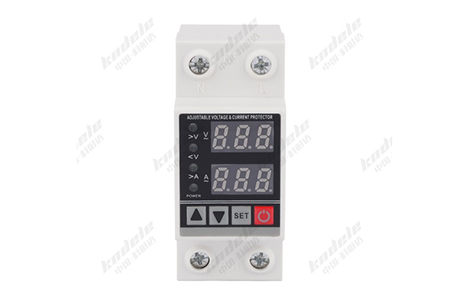
Electrical systems, whether at home or in industrial facilities, are vulnerable to voltage fluctuations, current surges, and short circuits. These disturbances can damage equipment, cause downtime, and even pose safety risks. Voltage Current Protectors (VCPs) play a vital role in preventing these issues by continuously monitoring and regulating electrical flow. In this article, we explore the top applications of voltage current protectors in both industrial and residential settings.
Residential Applications

Protecting Home Appliances

Home appliances such as refrigerators, air conditioners, washing machines, and televisions are sensitive to voltage fluctuations. A sudden surge or drop in voltage can shorten their lifespan or lead to permanent damage.
A voltage current protector ensures that appliances receive stable voltage and current, safeguarding them from unexpected electrical issues.

Home Office and IT Equipment Protection

With the rise of remote work, protecting computers, routers, and networking devices has become crucial. Voltage current protectors prevent overvoltage, undervoltage, and overcurrent, ensuring uninterrupted operation and avoiding data loss due to sudden shutdowns.

Renewable Energy Systems

Residential solar power systems or small wind turbines can be vulnerable to electrical fluctuations. A VCP in these systems ensures stable power output, protecting inverters and other sensitive components from damage.

Industrial Applications

Industrial Machinery Protection

Factories rely on motors, compressors, and conveyor systems, all of which are sensitive to voltage and current fluctuations. Installing voltage current protectors helps prevent overheating, electrical failures, and downtime, ensuring smooth production processes.

Data Centers and Server Rooms

Industrial IT environments and data centers house sensitive servers and networking equipment. Voltage current protectors prevent power surges or drops that can damage expensive equipment or disrupt operations, maintaining continuous uptime.

Automation and Control Systems

Industrial automation systems, including PLCs, robotic arms, and control panels, require stable power for accurate operation. Voltage current protectors safeguard these systems from electrical anomalies that could cause malfunctions or errors.

Renewable and Alternative Energy Facilities

Large-scale solar farms, wind turbines, and battery storage systems rely on voltage current protectors to ensure safe operation, prevent overcurrent damage, and optimize the lifespan of equipment in fluctuating electrical environments.

Other Notable Applications

Electric Vehicle Charging Stations: Protects chargers and connected vehicles from power surges.

Medical Equipment: Ensures stable voltage and current for sensitive devices like MRI machines and ventilators.

Telecommunication Systems: Maintains uninterrupted service by protecting towers, switches, and routers.

Benefits of Using Voltage Current Protectors

Enhanced Equipment Lifespan: Protects devices from stress caused by voltage or current fluctuations.

Improved Safety: Reduces risk of fires and electrical hazards.

Cost Savings: Prevents downtime and expensive equipment repairs.

Reliable Performance: Ensures continuous operation in both residential and industrial settings.

Conclusion

Voltage current protectors are essential for protecting electrical systems in both residential and industrial applications. From safeguarding home appliances and home office equipment to ensuring smooth industrial operations and renewable energy system stability, VCPs play a critical role in modern electrical safety. Investing in the right voltage current protector not only enhances device lifespan but also provides peace of mind against unexpected electrical faults.

FAQ

1. What is a voltage current protector (VCP)?

A voltage current protector is a device that monitors and regulates voltage and current levels in electrical systems. It protects appliances, machinery, and sensitive equipment from overvoltage, undervoltage, overcurrent, and short circuits.

2. How does a VCP protect home appliances?

In residential settings, VCPs ensure that appliances like refrigerators, air conditioners, TVs, and computers receive stable voltage and current. This prevents damage from power surges or drops, extending appliance lifespan.

3. Can voltage current protectors be used in industrial systems?

Yes. VCPs are widely used in industrial environments to protect motors, compressors, PLCs, robotic systems, and data centers from electrical fluctuations that could cause malfunctions or costly downtime.

4. Are VCPs useful for renewable energy systems?

Absolutely. Both residential solar systems and large-scale renewable installations rely on voltage current protectors to maintain stable power output, safeguard inverters, and prevent overcurrent or voltage damage.

5. Do VCPs require maintenance?

Most modern VCPs are low-maintenance, but periodic inspections are recommended, especially in industrial environments, to ensure sensors, relays, and wiring are functioning properly.

What Is a Voltage Current Protector and How Does It Work?

Introduction

In today’s world of electronic devices and industrial systems, maintaining stable voltage and current is crucial. Sudden surges or drops can damage equipment, reduce lifespan, or even cause safety hazards. This is where a Voltage Current Protector (VCP) comes in. In this article, we’ll explore what a voltage current protector is, how it works, and why it’s essential for both industrial and residential electrical systems.

Understanding Voltage Current Protectors

A Voltage Current Protector is an electrical device designed to monitor and regulate the flow of electricity, protecting circuits from abnormal voltage or current levels. It ensures that your devices operate within safe electrical limits, preventing damage caused by overvoltage, undervoltage, or overcurrent conditions.

Key functions of a voltage current protector include:

Overvoltage protection: Prevents damage from sudden voltage spikes.

Undervoltage protection: Ensures devices don’t operate under dangerously low voltage, which can cause malfunction.

Overcurrent protection: Prevents excessive current that can overheat wires or damage equipment.

Short-circuit protection: Quickly disconnects the circuit to prevent damage or fire hazards.

By combining voltage and current monitoring in one device, VCPs provide comprehensive protection for sensitive electrical equipment.

How a Voltage Current Protector Works

Voltage current protectors work using a combination of sensors, relays, and control circuits. Here’s a simplified explanation of the working principle:

Monitoring: The protector continuously measures the voltage and current passing through the circuit.

Detection: When it detects abnormal values, such as a voltage spike or excessive current, the device identifies it as a threat.

Response: The protector quickly reacts by disconnecting the circuit, triggering alarms, or diverting excess current.

Recovery: Some advanced VCPs automatically restore power once the abnormal condition is resolved, while others require manual reset.

This real-time monitoring and rapid response are what make voltage current protectors indispensable in modern electrical systems.

Applications of Voltage Current Protectors

Voltage current protectors are widely used in both residential and industrial settings:

Home Appliances: Protects refrigerators, air conditioners, and televisions from voltage fluctuations.

Industrial Equipment: Safeguards motors, compressors, and PLC systems from overcurrent or voltage spikes.

Renewable Energy Systems: Protects solar panels and inverters from electrical surges.

Data Centers and IT Systems: Ensures continuous operation of sensitive servers and networking devices.

By preventing electrical faults, VCPs not only protect devices but also reduce downtime and maintenance costs.

Advantages of Using a Voltage Current Protector

Using a voltage current protector comes with several benefits:

Enhanced Electrical Safety: Reduces the risk of fire or equipment damage.

Longer Equipment Lifespan: Prevents stress on electronic components caused by unstable electricity.

Cost Savings: Minimizes repair and replacement costs.

Reliable Performance: Ensures devices operate efficiently within safe electrical limits.

For industrial setups, the combination of overvoltage, undervoltage, and overcurrent protection is especially critical to prevent expensive downtime and machinery damage.

Choosing the Right Voltage Current Protector

When selecting a voltage current protector, consider:

Voltage and current rating: Ensure the protector matches your system’s requirements.

Response time: Faster response provides better protection for sensitive equipment.

Type of protection: Some protectors only handle overvoltage or overcurrent, while others provide combined protection.

Installation type: Wall-mounted, panel-mounted, or plug-in devices depending on your application.

Proper selection ensures optimal protection and reliable operation.

Conclusion

A Voltage Current Protector is an essential device for anyone looking to safeguard electrical systems and equipment. By monitoring voltage and current in real time, detecting anomalies, and responding immediately, it prevents damage, enhances safety, and prolongs the life of your devices. Whether in your home, factory, or renewable energy system, investing in a quality voltage current protector is a smart choice.

FAQ

1. What is the main purpose of a voltage current protector?

A voltage current protector is designed to safeguard electrical devices and circuits by monitoring voltage and current levels. It prevents damage from overvoltage, undervoltage, overcurrent, and short circuits.

2. How does a voltage current protector differ from a regular circuit breaker?

While a circuit breaker primarily interrupts current flow during overloads or short circuits, a voltage current protector monitors both voltage and current continuously and can respond to fluctuations that might not trigger a standard breaker, such as minor voltage spikes or sags.

3. Can a voltage current protector protect home appliances?

Yes. VCPs are commonly used in homes to protect appliances like refrigerators, air conditioners, TVs, and computers from sudden voltage fluctuations or electrical surges.

4. Do voltage current protectors require maintenance?

Most modern VCPs are low-maintenance, but periodic checks are recommended to ensure sensors and relays are functioning correctly, especially in industrial environments.

5. How do I choose the right voltage current protector for my system?

Consider the following:

Voltage and current rating of your devices

Type of protection needed (overvoltage, overcurrent, undervoltage)

Response time for sensitive equipment

Installation type (panel-mounted, wall-mounted, plug-in)

Choosing the right protector ensures optimal safety and device longevity.

6. Can a voltage current protector automatically restore power?

Some advanced VCP models have automatic reset features that restore power after detecting the electrical issue has cleared. Other models may require manual reset to ensure safety.

From Mechanical to Smart: The Evolution of Emergency Push Buttons

Introduction

Emergency push buttons (E-Stops) have been a cornerstone of industrial safety for decades. These devices are designed to immediately stop machinery or processes during emergencies, protecting personnel, equipment, and the environment.

Over time, emergency push buttons have evolved from simple mechanical switches to advanced smart devices integrated with modern automation and monitoring systems. Understanding this evolution can help facilities choose the right E-Stop solutions for today’s industrial needs.

The Early Days: Mechanical Emergency Push Buttons

Mechanical E-Stops were the first generation of emergency stop devices. They were simple, reliable, and manually operated:

Design: Typically a red, mushroom-shaped button mounted on machinery.

Function: Pressing the button mechanically opened a normally closed (NC) circuit, cutting off power to the equipment.

Advantages: Extremely reliable, low-cost, and easy to install.

Limitations: No remote monitoring, limited integration with control systems, and no logging or analytics capabilities.

These devices became widely used in manufacturing, logistics, and other industrial environments, providing a basic but essential level of safety.

The Next Step: Electro-Mechanical E-Stops

With the rise of automated machinery and higher safety standards, electro-mechanical emergency push buttons were developed:

Integration with Electrical Systems: These E-Stops could be connected to PLCs and control circuits.

Additional Features: Key-reset buttons, illuminated buttons, and multi-circuit contacts.

Advantages: Enhanced control, safer restarts, and better visibility.

Limitations: Still mostly local devices without remote status monitoring.

Electro-mechanical E-Stops became common in industries where production lines were complex and machines needed controlled emergency stops.

Modern Smart Emergency Push Buttons

The latest generation of E-Stops is smart emergency push buttons, designed for Industry 4.0 and IoT-enabled facilities:

IoT Integration: Smart E-Stops can send real-time status updates to centralized monitoring systems.

Data Logging: Every activation and reset can be logged for maintenance and safety audits.

Wireless Options: Ideal for mobile machinery, robotics, or hard-to-reach areas.

Advanced Features: Illuminated indicators, remote testing, and predictive maintenance alerts.

Advantages:

Real-time monitoring improves safety response.

Data-driven insights help with maintenance planning.

Integration with automation systems enhances operational efficiency.

Limitations:

Higher upfront cost compared to mechanical E-Stops.

Requires network infrastructure and occasional software updates.

Benefits of Upgrading to Smart Emergency Push Buttons

Enhanced Safety: Immediate detection and remote monitoring reduce response time.

Operational Efficiency: Logs and analytics help prevent repeat incidents.

Regulatory Compliance: Meets modern safety standards like ISO 13850 and IEC 60947-5-1.

Worker Confidence: Employees trust that machinery will stop reliably in emergencies.

Maintenance Planning: Predictive insights reduce downtime and extend equipment life.

Case Example: Smart E-Stops in an Automated Factory

A modern electronics assembly plant implemented smart emergency push buttons across all production lines:

Integrated with PLCs and IoT sensors.

Every E-Stop activation was logged in the central system.

Real-time alerts were sent to supervisors and maintenance teams.

Outcome:

Safety incidents decreased by 50%.

Downtime due to emergency stops was reduced through predictive maintenance.

Employees reported higher confidence in the safety system.

Conclusion

Emergency push buttons have come a long way from simple mechanical devices to smart, data-enabled safety solutions. While mechanical and electro-mechanical E-Stops still play a critical role in many facilities, smart E-Stops offer enhanced monitoring, integration, and predictive capabilities suited for modern Industry 4.0 environments.

By understanding this evolution, manufacturing and industrial facilities can make informed decisions to enhance safety, reduce downtime, and optimize operations.

FAQ 

Q1: Are mechanical E-Stops still reliable?
A: Yes, mechanical E-Stops are simple, reliable, and cost-effective, but they lack integration and monitoring features offered by smart E-Stops.

Q2: Can smart E-Stops work with older machinery?
A: Many smart E-Stops can be retrofitted to existing machines, though some integration may require additional PLC or IoT modules.

Q3: Are wireless E-Stops safe?
A: Yes, industrial-grade wireless E-Stops are designed with fail-safe communication protocols and redundant connections.

Q4: What is the main benefit of a smart E-Stop over a mechanical one?
A: The main benefit is real-time monitoring and data logging, which improves safety response and maintenance planning.

Emergency Push Buttons in Manufacturing: Case Studies

Introduction

Safety is a top priority in manufacturing facilities, where machinery and processes can pose significant risks to workers. Emergency push buttons (E-Stops) are critical safety devices designed to immediately stop equipment during hazardous situations, preventing injuries and minimizing damage.

What Are Emergency Push Buttons?

An emergency push button is a manually operated safety switch that stops machinery instantly during an emergency. These devices are typically red, mushroom-shaped buttons that are easy to locate and activate. Most E-Stops feature a latching mechanism, keeping the system shut down until manually reset.

Emergency push buttons are widely used in manufacturing, logistics, chemical plants, and energy industries. They are essential components of a facility’s safety system, helping to prevent accidents, reduce downtime, and comply with international safety standards like ISO 13850 and IEC 60947-5-1.

Automotive Assembly Line

Background:
A large automotive manufacturing plant experienced frequent minor incidents on its assembly line, including jams in robotic arms and conveyor belts.

Solution:
The facility installed multiple mushroom-head emergency push buttons along the assembly line. Each E-Stop was wired to immediately cut power to the machinery in its zone.

Outcome:

Reduced response time to hazards by 80%.

Minimized damage to robotic arms and conveyor belts.

Increased worker confidence in safety procedures.

Key Lesson: Strategic placement of E-Stops along high-risk areas significantly improves safety and operational reliability.

Food Processing Plant

Background:
A food processing plant faced challenges with high-speed cutting and packaging machines. Any mechanical fault or human error could lead to serious injuries.

Solution:
The plant installed key-reset emergency push buttons on all major machines. These buttons required a key to reset, ensuring only authorized personnel could restart the equipment.

Outcome:

Prevented accidental restarts after emergencies.

Ensured compliance with OSHA and local safety regulations.

Enhanced employee awareness and adherence to safety protocols.

Key Lesson: Key-reset E-Stops are ideal for facilities where controlled restart of equipment is critical.

Electronics Manufacturing Facility

Background:
An electronics manufacturer dealing with delicate automated assembly machines needed a rapid safety solution in case of equipment malfunction.

Solution:
The facility installed illuminated emergency push buttons with LED indicators at critical points along the production line. These buttons were integrated into a centralized monitoring system for real-time status tracking.

Outcome:

Operators could instantly locate and activate E-Stops even in dimly lit areas.

Safety incidents dropped by 60% within the first year.

The integration with monitoring systems provided detailed logs for audits and maintenance planning.

Key Lesson: Illuminated and smart E-Stops enhance visibility and monitoring, improving both safety and operational insight.

Best Practices for Installing Emergency Push Buttons in Manufacturing

Optimal Placement – Install E-Stops near all high-risk machinery and along production lines.

Choose the Right Type – Mushroom-head, key-reset, or illuminated depending on operational needs.

Regular Testing – Test E-Stops periodically to ensure proper functionality.

Employee Training – Train staff on when and how to use emergency push buttons.

Integration with Safety Systems – Connect E-Stops to control systems for monitoring and maintenance tracking.

Benefits Observed in Manufacturing Case Studies

Enhanced Workplace Safety – Immediate machine shutdown prevents accidents.

Reduced Equipment Damage – Minimizes downtime and repair costs.

Regulatory Compliance – Meets ISO, IEC, and OSHA safety standards.

Improved Employee Confidence – Workers trust the safety systems in place.

Operational Insights – Smart E-Stops provide logs for maintenance planning.

Conclusion

Emergency push buttons are indispensable in manufacturing, where even minor incidents can lead to serious injuries or equipment damage. The case studies above show that strategic placement, type selection, and integration with safety systems are key factors in maximizing their effectiveness.

By learning from these real-world examples, manufacturers can implement E-Stops that protect employees, reduce downtime, and ensure compliance with safety regulations.

FAQ 

Q1: How many E-Stops should a manufacturing facility install?
A: At minimum, one for each high-risk area or piece of machinery. Large facilities may require multiple E-Stops along production lines.

Q2: Can emergency push buttons be integrated with automation systems?
A: Yes, modern E-Stops can be connected to PLCs and monitoring systems for real-time alerts and logging.

Q3: Should E-Stops be tested regularly?
A: Absolutely. Functional testing every 6 months and visual inspections every 3 months are recommended.

Q4: What type of E-Stop is best for automated assembly lines?
A: Illuminated or smart E-Stops are ideal for high-speed automated environments, providing visibility and integration with monitoring systems.

Why Regular Testing of Emergency Push Buttons Is Crucial

Introduction

Emergency push buttons (E-Stops) are one of the most important safety devices in any industrial or commercial facility. They provide a simple yet effective way to immediately stop machinery or processes in emergency situations, protecting both personnel and equipment.

However, installing an E-Stop is only half the solution. Regular testing and maintenance are critical to ensure that these devices function correctly when they are needed the most. This article explains why regular testing of emergency push buttons is crucial, what the testing involves, and best practices for maintaining safety.

What Are Emergency Push Buttons?

An emergency push button is a manually operated switch designed to stop machinery or processes immediately during an emergency. Typically, E-Stops have a mushroom-shaped button for high visibility and a latching mechanism, which keeps the button engaged until it is manually reset.

They are widely used in industries such as manufacturing, logistics, energy, and chemical processing, and they are often a legal requirement under safety regulations like ISO 13850 and IEC 60947-5-1.

Why Testing Emergency Push Buttons Is Crucial

Even the most robust E-Stop will fail to protect workers if it is not functioning correctly. Regular testing is crucial for several reasons:

Ensures Proper Functionality

Emergency push buttons are mechanical and electrical devices. Over time, components can wear out, wires may loosen, or contacts may corrode. Regular testing ensures that the button operates correctly and stops machinery immediately when pressed.

Maintains Compliance with Safety Standards

Many countries and industries require periodic testing of emergency stop devices. Non-compliance can result in legal penalties, insurance issues, or accidents. Regular testing demonstrates that your facility meets safety standards and regulatory requirements.

Prevents Equipment Damage

An E-Stop not only protects personnel but also prevents equipment from being damaged during emergencies. Faulty E-Stops could allow machinery to continue running in dangerous situations, increasing the risk of costly breakdowns.

Detects Hidden Issues Early

Regular testing helps identify potential problems before they become critical. Loose connections, faulty wiring, or mechanical issues can be detected and fixed during scheduled testing, reducing the likelihood of unexpected failures.

Promotes a Safety-Oriented Culture

When employees see that emergency devices are regularly tested and maintained, it reinforces a culture of safety. Workers are more confident that the E-Stops will function correctly when needed.

How Often Should Emergency Push Buttons Be Tested?

The frequency of testing depends on the facility and machinery type, but general recommendations include:

Functional Test: Every 6 months – Press the button to ensure machinery stops and resets correctly.

Visual Inspection: Every 3 months – Check for physical damage, wear, or dirt.

Comprehensive Testing: Annually – Includes wiring checks, contact resistance tests, and compliance verification.

Tip: Always follow manufacturer guidelines and local safety regulations when planning testing intervals.

Steps for Testing an Emergency Push Button

Power Down Machinery (If Required) – Ensure safety before conducting tests.

Press the E-Stop – Verify that the machine stops immediately.

Reset the Button – Confirm the machine can restart safely only after manual reset.

Inspect Mechanically and Electrically – Check contacts, wiring, and mounting.

Document the Test – Maintain records of testing for compliance and audits.

Common Mistakes to Avoid

Skipping scheduled testing or inspections.

Failing to document testing results.

Using E-Stops that are incompatible with the machinery or environment.

Ignoring visual signs of wear or damage.

Conclusion

Emergency push buttons are essential for workplace safety, but their effectiveness depends on proper testing and maintenance. Regular testing ensures functionality, maintains compliance, prevents equipment damage, detects hidden issues, and promotes a safety-first culture.

By implementing a structured testing schedule, documenting results, and addressing any faults immediately, facilities can maximize the protective benefits of emergency push buttons and reduce the risk of accidents.

FAQ

Q1: Can I test E-Stops during normal production?
A: Only if the machinery can be safely stopped without affecting production. Otherwise, schedule testing during maintenance shutdowns.

Q2: What if an emergency push button fails the test?
A: Immediately repair or replace the device and retest before resuming normal operations.

Q3: Are wireless emergency push buttons more difficult to test?
A: Not necessarily, but they may require additional steps to verify signal transmission and battery health.

Q4: Is it necessary to test all E-Stops in a facility?
A: Yes, every E-Stop must be tested regularly, especially in large or multi-zone facilities.

How to Properly Install an Emergency Push Button in Your Facility

Introduction

Safety is paramount in any industrial or commercial facility. One of the most effective ways to protect personnel and equipment is by installing emergency push buttons (E-Stops). These devices allow workers to immediately shut down machinery or processes in dangerous situations, minimizing risk and ensuring compliance with safety standards.

Proper installation is critical to ensure the E-Stop functions reliably when needed. This article provides a step-by-step guide on how to install an emergency push button in your facility.

What Is an Emergency Push Button?

An emergency push button is a manually operated safety switch designed to stop machinery or equipment in emergency situations. It usually features a large, red, mushroom-shaped button for easy identification and rapid activation. Most E-Stops have a latching mechanism, meaning the button remains engaged until manually reset, preventing accidental machine restarts.

Plan the Location Carefully

The first step in installing an E-Stop is choosing the right location:

Visibility – The button should be easily visible and distinguishable from other controls.

Accessibility – Workers should be able to reach the button quickly, even under stress.

Proximity to Hazardous Areas – Place E-Stops near machinery or processes where emergencies are most likely.

Multiple Buttons – For large facilities or complex machinery, consider multiple E-Stops to ensure coverage.

Tip: Follow ISO 13850 and local safety standards when planning button placement.

Select the Right Type of Emergency Push Button

Emergency push buttons come in different types:

Standard Mushroom Head – Widely used, easy to press.

Key Reset – Requires a key to reset, suitable for controlled access environments.

Illuminated – Equipped with LEDs for better visibility.

Wireless – Ideal for mobile equipment or hard-to-reach areas.

Choose a type that matches your machinery, operational environment, and safety requirements.

Prepare the Wiring and Circuit

Before installation, ensure your facility’s power and control circuits are compatible with the E-Stop:

Identify Normally Closed (NC) Contacts – Most E-Stops use NC contacts that open when the button is pressed, cutting power to the machinery.

Check Voltage and Current Ratings – Verify the E-Stop can handle the load of your equipment.

Use Proper Conduits and Wiring – Protect wires from mechanical damage and environmental factors such as dust, moisture, or chemicals.

Integrate with Control System – Connect the E-Stop to the machine’s control circuit according to the manufacturer’s wiring diagram.

Mount the Emergency Push Button

Proper mounting ensures the button is reliable and durable:

Use a Sturdy Enclosure – Mount the button in a panel or housing suitable for industrial environments.

Secure Properly – Ensure screws or brackets are tight to prevent vibration or accidental dislodging.

Height and Orientation – Mount at a height easily reachable by operators and with the button oriented for easy pressing.

Tip: Consider IP-rated enclosures if the facility has dust, water, or chemical exposure.

Test the Emergency Push Button

Testing is essential to verify proper installation:

Functional Test – Press the button to ensure machinery stops immediately.

Reset Test – Confirm the button can be manually reset and machinery restarts safely.

Periodic Testing – Schedule regular tests (every 6–12 months) to ensure continuous functionality.

Train Employees

Even the best-installed E-Stop won’t help if employees don’t know how to use it:

Conduct safety training sessions for all staff.

Explain when and how to use the E-Stop.

Include E-Stop locations on safety maps and signage.

Common Mistakes to Avoid

Installing the E-Stop too high, low, or hidden.

Using incompatible E-Stop types for specific machinery.

Poor wiring or lack of proper circuit protection.

Skipping testing or employee training.

Conclusion

Proper installation of emergency push buttons is a key part of workplace safety. By carefully planning locations, selecting the right type, wiring correctly, mounting securely, testing, and training employees, you can ensure your facility is well-protected against emergencies. Investing time in proper E-Stop installation not only protects personnel but also reduces equipment damage and ensures compliance with safety regulations.

FAQ 

Q1: Can I install an emergency push button on any type of machinery?
A: Yes, but ensure the E-Stop is compatible with the machinery’s voltage, current, and control system requirements.

Q2: How many emergency push buttons should a facility have?
A: At minimum, place one near each hazardous area or piece of machinery. Large or complex facilities may require multiple buttons for full coverage.

Q3: Should emergency push buttons be tested regularly?
A: Yes, periodic testing is crucial. Most safety standards recommend testing every 6–12 months.

Q4: What type of enclosure is recommended?
A: Use IP-rated enclosures suitable for the environment. For industrial environments with dust, water, or chemicals, consider IP65 or higher.