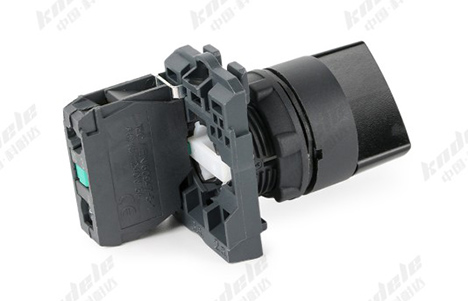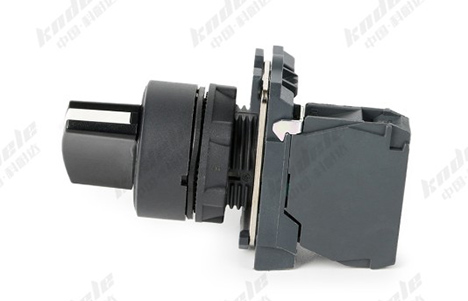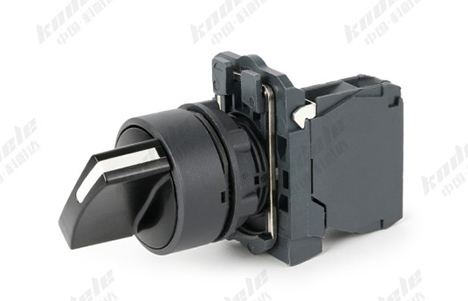
All posts by pj1junj

What Is an Emergency Push Button and How Does It Work?

Introduction

In industrial environments, safety is always a top priority. One of the most critical safety devices used in factories, warehouses, and machinery operations is the emergency push button. Understanding its function, types, and working principle is essential for ensuring workplace safety and compliance with industry standards.
What Is an Emergency Push Button?

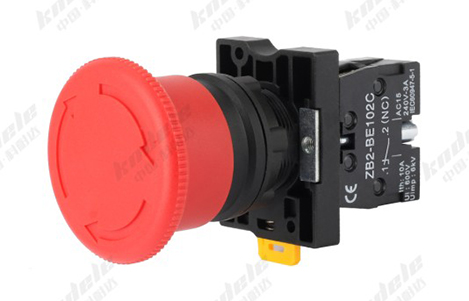
An emergency push button (also called an E-Stop) is a manually operated switch designed to immediately stop machinery or processes in case of an emergency. Its primary purpose is to protect personnel, equipment, and the environment from harm caused by unexpected situations, such as mechanical failures, electrical faults, or human error.

Emergency push buttons are widely used across industries including manufacturing, logistics, chemical plants, and energy production. They are often mounted in easily accessible locations so that anyone can quickly activate them in case of danger.

Key Features of Emergency Push Buttons

Mushroom-Shaped Head
The large, red, mushroom-shaped button ensures high visibility and easy activation, even in stressful situations.

Latch Mechanism
Most E-Stops use a latching mechanism, which means the button stays engaged until it is manually reset. This prevents accidental restart of machinery.

Normally Closed (NC) Contacts
Emergency push buttons typically use NC contacts. When the button is pressed, the circuit opens and immediately cuts off power to the connected equipment.

Compliance with Safety Standards
Emergency push buttons are designed to meet international safety standards, such as IEC 60947-5-1 and ISO 13850, ensuring reliable performance in critical situations.

How Does an Emergency Push Button Work?

The working principle of an emergency push button is simple but highly effective:

Activation
When a dangerous situation occurs, the operator presses the E-Stop. The button mechanically opens the normally closed circuit, cutting off power to the machinery or process.

Immediate Response
The machinery stops immediately, preventing potential injury, equipment damage, or environmental hazards.

Manual Reset
After the situation is under control, the E-Stop must be manually reset before the machinery can resume operation. This ensures that machinery does not restart unexpectedly.

Some modern emergency push buttons are integrated into smart control systems, allowing remote monitoring and logging of emergency events for maintenance and safety audits.

Types of Emergency Push Buttons

Standard Mushroom Head – Classic design, widely used in industrial machines.

Key Reset Emergency Push Button – Requires a key to reset, adding an extra layer of safety.

Wireless Emergency Push Button – Suitable for mobile machinery or remote areas.

Illuminated Emergency Push Button – Equipped with LED indicators for better visibility.

Applications of Emergency Push Buttons

Emergency push buttons are used in a wide range of industries:

Manufacturing Plants – To stop assembly lines or robotic systems in case of malfunction.

Logistics and Warehouses – For conveyor belts and automated storage systems.

Chemical and Pharmaceutical Industry – To prevent spills or chemical hazards.

Energy and Utilities – For turbines, generators, and other high-risk equipment.

Benefits of Using Emergency Push Buttons

Enhanced Safety – Protects employees from accidents and injuries.

Equipment Protection – Prevents machinery damage during emergencies.

Regulatory Compliance – Meets international safety standards.

Ease of Use – Simple design ensures fast and intuitive operation.

Conclusion

Emergency push buttons are vital components in any industrial safety system. They provide a quick and effective way to stop machinery during emergencies, protecting both personnel and equipment. By understanding their types, working principles, and applications, industries can enhance safety measures and comply with international safety standards.

FAQ 

Q1: Can an emergency push button be used for all types of machinery?
A: While E-Stops are versatile, they must be selected according to the machinery type, voltage, and control system requirements.

Q2: How often should emergency push buttons be tested?
A: Regular testing, typically every 6–12 months, is recommended to ensure functionality and compliance with safety regulations.

Q3: What is the difference between a standard and a key reset E-Stop?
A: A standard E-Stop can be reset by twisting or pulling the button, while a key reset E-Stop requires a key, providing additional control over restart.

Q4: Are wireless emergency push buttons reliable?
A: Yes, wireless E-Stops are reliable if they meet industrial-grade standards and have a robust communication protocol. They are especially useful for mobile or large-area applications.

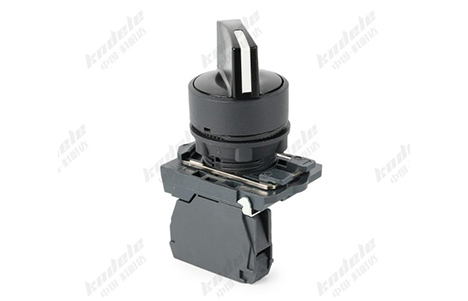
How a Two Position Push Button Switch Works in Industrial Applications

Introduction

In industrial environments, controlling machinery and equipment efficiently and safely is essential. Two position push button switches play a crucial role in this process by providing simple ON/OFF or START/STOP control. Understanding how these switches work in industrial applications helps engineers and operators design safer, more reliable control systems.

What Is a Two Position Push Button Switch?

A two position push button switch is a manually operated device with two distinct positions—commonly ON/OFF or START/STOP.

Key features include:

Two positions: Allows toggling between two states.

Contact configuration: Normally Open (NO), Normally Closed (NC), or a combination.

Operation type: Momentary (returns to default) or Maintained (stays latched).

These characteristics make them versatile for various industrial automation and machinery control applications.

Working Principle of Two Position Push Button Switches

The working principle is simple yet effective:

Electrical Contacts: Inside the switch are electrical contacts that open or close circuits.

Button Press:

Maintained switch: Pressing the button changes the state, and it stays in that position until pressed again.

Momentary switch: Pressing the button temporarily changes the state and returns to its default when released.

Circuit Completion: The contacts either complete the circuit (allowing current flow) or break the circuit (stopping current flow).

Example:

Pressing the START button on a motor closes the NO contacts → motor runs.

Pressing the STOP button opens the NC contacts → motor stops immediately.

Applications in Industrial Automation

Start/Stop Control of Machinery

Two position push button switches are widely used for manual start and stop operations:

Conveyor belts, pumps, compressors, and motors.

Operators can quickly control machines without complex interfaces.

Emergency Stop Functions

Safety is paramount in industrial settings:

Momentary NC switches are often used for emergency stop buttons.

Pressing the button immediately breaks the circuit, shutting down machinery to prevent accidents.

Control Panels and Operator Stations

Installed on control panels for manual operation of devices.

Can control lights, fans, or auxiliary equipment.

Provides a clear and intuitive interface for operators.

Integration with PLC Systems

Two position switches serve as input devices for PLCs.

Allow manual intervention or signal triggering in automated processes.

Example: A switch press triggers a sequence in a production line controlled by PLC.

Advantages in Industrial Applications

Simplicity: Easy for operators to understand and use.

Reliability: Provides consistent ON/OFF control.

Versatility: Can serve as start/stop, emergency stop, or PLC input.

Durability: Industrial-grade switches can withstand dust, moisture, and mechanical wear.

Tips for Optimizing Performance

Select the right type: Choose momentary or maintained based on the application.

Check voltage and current ratings: Ensure the switch matches the machine’s electrical load.

Protect from environment: Use IP-rated switches in dusty or wet areas.

Regular maintenance: Clean contacts and inspect for wear to ensure long-term reliability.

Conclusion

Two position push button switches are simple yet powerful components in industrial automation and machinery control. By understanding their working principle, types, and applications, engineers can design safer, more efficient, and reliable control systems. From start/stop control to emergency shutdowns and PLC integration, these switches remain a cornerstone of industrial operations.

FAQ

Q1: Can two position push button switches control high-power machines?
Yes, but make sure the switch’s voltage and current ratings exceed the load requirements.

Q2: What is the difference between momentary and maintained switches?
Momentary switches return to default when released; maintained switches stay in the pressed state until toggled again.

Q3: How are two position push button switches used in PLC systems?
They serve as manual input devices, triggering sequences or actions in automated processes.

Maintenance Tips for Ensuring Long Life of Two Position Push Button Switches

Introduction

Two position push button switches are essential components in industrial machinery, control panels, and automation systems. They provide reliable ON/OFF or START/STOP control, but like all mechanical and electrical devices, their performance can degrade over time if not properly maintained. Proper maintenance ensures long-term reliability, safety, and operational efficiency. In this article, we’ll cover the best maintenance tips for two position push button switches.

Regular Cleaning

Dust, dirt, and debris can accumulate around the switch, affecting its performance.

Surface cleaning: Wipe the button and surrounding panel with a soft, dry cloth.

Deep cleaning: Use compressed air to remove debris inside the switch housing (if accessible).

Avoid liquids: Unless the switch is rated IP65 or higher, avoid water or cleaning solvents.

Inspect Contacts Periodically

The internal contacts are critical for electrical conductivity:

Check for corrosion or oxidation: These can cause poor connectivity or intermittent operation.

Inspect for wear: Repeated pressing can cause contact degradation over time.

Solution: Clean contacts with electrical contact cleaner if corrosion is minor; replace the switch if wear is significant.

Verify Proper Operation

Routine testing ensures switches function correctly:

Press each switch several times to check for smooth movement and consistent electrical response.

Ensure momentary switches return to default position and maintained switches stay latched properly.

Monitor the switch response in actual circuits to detect delayed or incomplete operations.

Check Mounting and Panel Integrity

Loose mounting or damaged panels can reduce the lifespan of a switch:

Ensure the switch is securely mounted and not wobbling.

Inspect for panel cracks or deformation that may stress the switch body.

Tighten any loose screws or mounting hardware.

Protect Against Environmental Factors

Environmental conditions significantly affect switch longevity:

Dusty environments: Use IP65/IP67 rated switches to prevent ingress.

Moisture or humidity: Select switches with water-resistant ratings; consider protective covers.

Temperature extremes: Ensure switches are rated for the ambient temperature of the installation site.

Pro Tip: Industrial switches with sealed or gasketed housings have longer life in harsh conditions.

Lubricate Moving Parts (If Applicable)

Some mechanical switches may benefit from light lubrication:

Use non-conductive lubricants recommended by the manufacturer.

Avoid over-lubrication, which can attract dust and create sticky buttons.

Replace Worn or Damaged Switches Promptly

Even with maintenance, switches wear out over time:

Signs of failure include sticking buttons, erratic electrical behavior, or visible contact damage.

Replace switches promptly to avoid equipment downtime or safety hazards.

Documentation and Maintenance Schedule

Maintaining a log of inspections and maintenance activities helps extend the switch life:

Record the date of inspection, cleaning, and any replacements.

Schedule routine checks based on usage frequency and environmental conditions.

Include emergency stop and critical switches in a higher-priority maintenance cycle.

Conclusion

Proper maintenance of two position push button switches is essential for reliable operation, safety, and longevity. By following these tips—regular cleaning, inspecting contacts, verifying operation, protecting against environmental factors, and prompt replacement—you can maximize switch life and reduce downtime in industrial and automation systems.

FAQ

Q1: How often should push button switches be maintained?

Ideally, inspect and clean them every 3–6 months for normal industrial environments, more frequently in harsh conditions.

Q2: Can maintenance prevent electrical contact wear completely?

No, but proper cleaning and environment protection can significantly slow down wear.

Q3: Are IP-rated switches maintenance-free?

While IP-rated switches resist dust and moisture, regular inspection is still recommended for optimal performance.

How to Choose the Right Two Position Push Button Switch for Your Project

Introduction

Choosing the right two position push button switch is critical for ensuring safety, efficiency, and reliability in your electrical or automation project. With various types, sizes, and specifications available, making the correct selection can be overwhelming. This guide will walk you through the key considerations, helping you select the ideal switch for your application.

Understand Your Project Requirements

Before selecting a switch, clearly define the purpose and operating conditions of your project:

Functionality: Do you need ON/OFF, START/STOP, or emergency stop control?

Load type: Determine the voltage and current ratings required to handle the connected devices safely.

Environment: Consider whether the switch will operate in indoor, outdoor, dusty, or wet conditions.

Tip: Always select a switch rated slightly higher than your maximum load to ensure safety and longevity.

Choose Between Maintained and Momentary Action

Two position push button switches come in two main actions:

Maintained (Latch) Switch:

Stays in the pressed position until toggled again.

Ideal for machines or devices that need to remain ON until manually turned OFF.

Momentary (Spring-Return) Switch:

Returns to the default position after being pressed.

Commonly used for emergency stop buttons or pulse-triggered operations.

Selection Tip: Determine whether your application requires a continuous state (maintained) or temporary state (momentary).

Determine Contact Configuration

The contact type of a push button switch affects how it controls a circuit:

Normally Open (NO): Circuit closes when the button is pressed.

Normally Closed (NC): Circuit opens when the button is pressed.

Combination (NO + NC): Allows control of multiple circuits simultaneously.

Consider Voltage and Current Ratings

Ensure the switch can handle the electrical load of your project:

Check the maximum voltage and current ratings specified by the manufacturer.

For industrial machinery, switches often need to support AC or DC loads with high amperage.

Avoid overloading the switch, as it can cause contact welding, overheating, or failure.

Evaluate Build Quality and Material

Durability is key in industrial or outdoor environments:

Look for switches made of high-quality plastic, metal, or industrial-grade materials.

Consider IP protection ratings for dust and water resistance (e.g., IP65 or IP67 for harsh conditions).

Check the mechanical life rating (number of operations) to ensure long-term reliability.

Select the Right Size and Mounting Type

Two position push button switches come in various sizes and panel mounting options:

Panel mount: Standard for control panels and machinery interfaces.

Surface mount: Used when space is limited or for custom enclosures.

Flush or raised buttons: Choose based on operator accessibility and ergonomics.

Consider Additional Features

Some push button switches offer extra functionalities:

Illumination: LED indicator lights to show ON/OFF status.

Color coding: Red for STOP, green for START, yellow for caution.

Custom labeling or symbols: Useful in complex control panels.

These features can improve safety, visibility, and user experience.

Verify Compliance and Standards

Industrial and electrical projects often require switches to meet certification and safety standards:

IEC, UL, CE, or RoHS compliance ensures the switch meets international safety and quality requirements.

Check for flame retardant materials or other safety-specific certifications if used in hazardous environments.

Conclusion

Choosing the right two position push button switch is more than just picking a simple ON/OFF device. By considering factors such as action type, contact configuration, voltage rating, durability, mounting style, and compliance, you can ensure your project operates safely and efficiently. Proper selection enhances both operational reliability and user safety, making your machinery or automation system more effective.

FAQ

Q1: What is the difference between maintained and momentary two position push button switches?

Maintained switches stay in the pressed position until manually toggled.

Momentary switches return to the default position automatically.

Q2: Can I use a two position push button switch for high-power motors?
Yes, but ensure the switch’s voltage and current ratings exceed your motor’s load requirements.

Q3: What does IP65 or IP67 rating mean for a switch?
It indicates protection against dust and water ingress—essential for outdoor or harsh industrial environments.

Top Applications of Two Position Push Button Switches in Machinery and Automation

Introduction

In modern industrial automation and machinery, two position push button switches are essential components that allow operators to control equipment safely and efficiently. With their simple ON/OFF or START/STOP functionality, these switches are widely used in various automation systems. This article explores the top applications of two position push button switches in machinery and automation, along with their benefits and considerations.

Introduction to Two Position Push Button Switches

A two position push button switch is a manually operated switch with two distinct states: ON and OFF, or START and STOP. It provides reliable control over electrical circuits, allowing machines and devices to be turned on or off safely.

Key features include:

Maintained or momentary operation

Normally Open (NO) or Normally Closed (NC) contacts

Compact, durable design suitable for industrial environments

These characteristics make them ideal for machinery and automation applications.

Start/Stop Control of Industrial Machines

One of the most common applications of two position push button switches is the start and stop control of industrial machines.

Example: A conveyor belt, pump, or motor.

Functionality:

Start button: Closes the circuit to power the machine.

Stop button: Opens the circuit to safely stop the machine.

This simple yet reliable control method ensures operational safety and ease of use for machine operators.

Control Panels and Operator Stations

Two position push button switches are often installed on control panels or operator stations for manual control of machinery.

Applications:

Turning lighting, fans, or auxiliary devices ON/OFF.

Activating or deactivating specific machine functions.

Their compact size and clear ON/OFF states make them ideal for human-machine interfaces in automation systems.

Safety and Emergency Stop Systems

Safety is paramount in industrial environments, and two position push button switches play a critical role in emergency stop systems.

Momentary push button switches are often used as emergency stop (E-Stop) buttons.

Function: Instantly breaks the electrical circuit to halt machinery and prevent accidents.

Benefit: Provides fast, reliable shutdown without complex wiring or electronic controls.

Sequential Machine Operations

Two position push button switches are also used in sequential operations where machines require step-by-step manual control.

Example:

Assembly lines where operators need to activate one process at a time.

Packaging machines that require sequential steps before moving to the next stage.

Benefit: Operators can control each stage individually, reducing the risk of errors and improving workflow.

Integration with Automation Systems

While automated systems often rely on PLCs (Programmable Logic Controllers), two position push button switches are still widely used for manual override or input signals.

Applications:

Manual start/stop of automated machinery.

Input triggers for PLC-controlled processes.

Advantage: Offers a simple, cost-effective solution for operators to intervene in automated operations.

Advantages of Using Two Position Push Button Switches in Machinery

Simplicity: Easy for operators to understand and use.

Reliability: Provides consistent electrical contact in harsh industrial environments.

Versatility: Can be used for start/stop control, safety systems, and manual overrides.

Customization: Available in various sizes, colors, and contact configurations for different applications.

Conclusion

Two position push button switches are indispensable in industrial machinery and automation. Their straightforward design, reliability, and versatility make them suitable for start/stop control, safety systems, control panels, sequential operations, and integration with automated systems.

Understanding their applications ensures better equipment control, enhanced safety, and efficient operation in industrial environments.

FAQ

Q1: Can two position push button switches be used in automated production lines?
Yes, they are often used for manual override or as input triggers for PLC-controlled systems.

Q2: What types of two position push button switches are used for safety applications?
Momentary push button switches with Normally Closed (NC) contacts are commonly used for emergency stop functions.

Q3: Are two position push button switches suitable for outdoor machinery?
Yes, many industrial-grade switches are designed with IP65/IP67 protection to withstand dust, moisture, and harsh conditions.

What Is a Two Position Push Button Switch? Definition, Types, and Working Principle

Introduction

In the world of electrical control systems and industrial automation, push button switches play a crucial role in controlling machinery, devices, and circuits. Among them, the two position push button switch is one of the most commonly used types due to its simplicity and reliability. This article explores its definition, types, working principle, and practical applications.

Definition of a Two Position Push Button Switch

A two position push button switch is a type of electrical switch that has two distinct positions, typically ON and OFF, or start and stop. Unlike single-position switches that only complete a circuit momentarily, a two-position switch maintains its state until manually changed.

Key characteristics:

Two positions: Each press changes the switch to the other position.

Manual operation: Controlled by pushing a button.

Maintained or momentary action: Depending on the design, the switch may stay in a position until pressed again (maintained) or return immediately to its default state (momentary).

Example: The start/stop button on a conveyor belt or industrial machine.

Types of Two Position Push Button Switches

Two position push button switches can be classified based on their mechanical operation and contact configuration:

Based on Action

Maintained (Latch) Switch:

Stays in the position it is pressed to until the other position is selected.

Common in devices where you want a machine to stay running until manually stopped.

Momentary (Spring-Return) Switch:

Returns to its default position when released.

Often used for emergency stop buttons or pulse triggering.

Based on Contact Type

Normally Open (NO):

The circuit is open when the button is not pressed; pressing closes the circuit.

Normally Closed (NC):

The circuit is closed when the button is not pressed; pressing opens the circuit.

Combination NO + NC:

Offers flexibility for controlling multiple circuits with a single button.

Working Principle of a Two Position Push Button Switch

The working principle is simple but highly effective:

Electrical Connection:

The switch contains internal contacts that connect or disconnect the circuit depending on the button’s position.

Position Change:

When the button is pressed, the contacts either complete the circuit (ON) or break the circuit (OFF).

Maintaining or Returning:

In a maintained switch, the contacts stay in the new position.

In a momentary switch, a spring mechanism pushes the button back to the default position, returning the contacts.

Visual Example:

Pressing the start button of a motor closes the NO contacts → motor runs.

Pressing the stop button opens the NC contacts → motor stops.

Applications of Two Position Push Button Switches

Two position push button switches are widely used in industrial and household applications:

Industrial Machines: Start/stop buttons for motors, conveyors, or pumps.

Control Panels: Manual control of lighting, fans, or other electrical equipment.

Safety Systems: Emergency stop buttons to quickly shut down machinery.

Home Appliances: Some appliances with simple ON/OFF functionality.

Advantages of Two Position Push Button Switches

Simple to operate and easy to understand.

Provides reliable ON/OFF control for circuits.

Can be customized with different sizes, colors, and contact types.

Suitable for both industrial and domestic applications.

Conclusion

A two position push button switch is a fundamental component in electrical and control systems. Its clear ON/OFF states, simple operation, and versatility make it an essential tool for industrial automation, safety systems, and everyday appliances. Understanding its types and working principle ensures proper selection and effective use in your projects.

FAQ

Q1: Can a two position push button switch control multiple devices?
Yes, by using switches with multiple NO/NC contacts, one button can control several circuits simultaneously.

Q2: What is the difference between maintained and momentary action?
Maintained switches stay in the pressed position until toggled again, while momentary switches return to the default position after being pressed.

Q3: Where are two position push button switches commonly used?
They are commonly found in industrial machines, control panels, safety systems, and some home appliances.