All posts by pj1junj

LED Indicator Lights: Energy Efficiency and Longevity Advantages

Introduction

In modern industrial and electrical systems, LED indicator lights have become the standard choice for signaling and monitoring. Compared to traditional incandescent or neon indicators, LEDs offer significant advantages in energy efficiency, lifespan, and overall reliability. This article explores why LED indicator lights are preferred in industrial, commercial, and automation applications.
What Are LED Indicator Lights?

LED (Light Emitting Diode) indicator lights are electronic devices that emit light when an electrical current passes through a semiconductor. Unlike traditional bulbs, LEDs do not rely on filaments or gas discharge, which makes them more durable, energy-efficient, and long-lasting.

Key Characteristics:

Compact and lightweight design

Low energy consumption

High brightness and visibility

Fast response and instant-on operation

Available in multiple colors for status signaling

Energy Efficiency of LED Indicator Lights

One of the most notable advantages of LED indicator lights is their energy efficiency:

Low Power Consumption
LED indicators consume significantly less electricity than incandescent or neon lights. This not only reduces energy costs but also minimizes heat generation on control panels.

Sustainable Choice
Reduced energy consumption translates to a smaller carbon footprint, making LEDs a greener option for factories, commercial buildings, and smart industrial systems.

Ideal for Large Installations
In industrial facilities with dozens or hundreds of indicator lights, switching to LEDs can result in substantial energy savings over time.

Longevity and Durability

LED indicator lights are built to last, providing long-term reliability for industrial applications:

Extended Lifespan
LED indicators can last 50,000 hours or more, compared to 1,000–5,000 hours for incandescent bulbs. This reduces the frequency of replacements and maintenance costs.

Resistance to Shock and Vibration
Unlike filament bulbs, LEDs are solid-state devices that can withstand vibrations and mechanical shocks, which is crucial in industrial environments.

Performance in Extreme Conditions
High-quality LED indicators function reliably under a wide range of temperatures and environmental conditions, including humidity, dust, and chemical exposure.

Applications of LED Indicator Lights

LED indicator lights are widely used in industrial, commercial, and automation systems due to their reliability and visibility:

Control Panels – Display equipment status, power-on, fault, or warning signals

Industrial Machines – Monitor operational states and guide maintenance

Automation and Robotics – Provide quick visual feedback in PLC and IoT-controlled systems

Energy Management Systems – Indicate power usage or system alerts in smart buildings

Electrical Switchgear – Ensure clear signaling in low- and medium-voltage circuits

Advantages Over Traditional Indicator Lights

Feature LED Indicator Lights Incandescent/Neon Lights
Energy Consumption Very low High
Lifespan 50,000+ hours 1,000–5,000 hours
Durability Resistant to shock/vibration Fragile
Heat Generation Minimal Significant
Color Variety Wide range Limited

The combination of energy savings, durability, and high visibility makes LEDs the preferred choice for modern industrial and automation systems.

Best Practices for Using LED Indicator Lights

Choose the Right Color – Use standard color codes (green = normal, red = fault, yellow = warning).

Check Voltage Compatibility – Ensure LED indicators match the system voltage and current requirements.

Install in Visible Locations – Maximize visibility for operators and maintenance personnel.

Integrate with Smart Systems – Connect LEDs to PLCs, SCADA, or IoT devices for remote monitoring and predictive maintenance.

Conclusion

LED indicator lights have revolutionized industrial signaling by combining energy efficiency, long lifespan, and durability. Their low power consumption, high reliability, and wide range of applications make them ideal for modern control panels, automation systems, and industrial equipment.

Investing in LED indicators not only improves operational efficiency but also reduces maintenance costs and supports sustainable, energy-conscious operations.

FAQ

Q1: Can LED indicator lights replace traditional neon lights in high-voltage systems?
A: Yes, as long as the LED indicators are rated for the system voltage and designed for industrial use.

Q2: How much energy can an LED indicator save?
A: An LED indicator can consume up to 90% less power than an incandescent bulb, which adds up significantly in large-scale installations.

Q3: Are LED indicator lights suitable for harsh industrial environments?
A: Yes, they are resistant to shock, vibration, temperature extremes, and other challenging conditions.
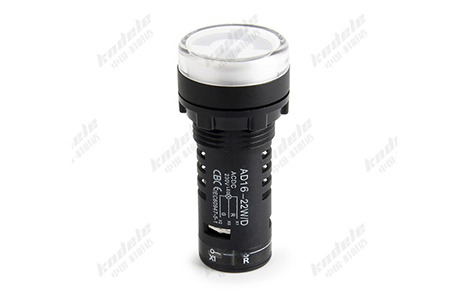
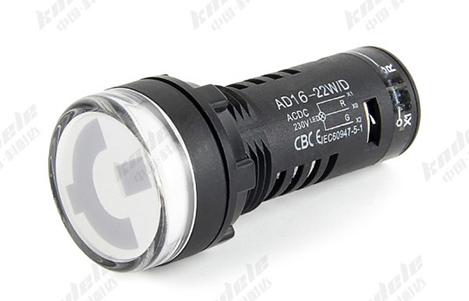
Types of Indicator Lights and Their Applications

Introduction

In industrial and electrical systems, indicator lights are crucial for conveying the status of machinery, circuits, and processes. Choosing the right type of indicator light ensures efficient monitoring, safety, and smooth operation of industrial equipment. This article explores the main types of indicator lights and their typical applications in industrial and commercial settings.

LED Indicator Lights

LED (Light Emitting Diode) indicator lights are the most popular choice in modern industrial applications due to their efficiency, longevity, and brightness.

Key Features:

Energy-efficient and low power consumption

Long lifespan (often 50,000+ hours)

Fast response time and high visibility

Available in multiple colors for different status signals

Common Applications:

Control Panels: Display machine status such as power-on, fault, or warning

Automation Equipment: Integrated with PLCs for process monitoring

IoT Systems: Provide remote visual feedback in smart factories

Neon Indicator Lights

Neon indicator lights are known for their durability in high-voltage environments and simple design.

Key Features:

Can handle high voltage applications

Simple, robust, and reliable

Low maintenance

Common Applications:

High-Voltage Switchgear: Indicating circuit status in substations

Legacy Industrial Equipment: Used in older machines and panels

Power Supply Units: Signaling presence of AC power

Incandescent Indicator Lights

Incandescent lights are traditional indicator lights that have been used for decades. Though less energy-efficient than LEDs, they are still found in certain applications.

Key Features:

Warm light, easily visible

Simple technology, low initial cost

Shorter lifespan compared to LEDs

Common Applications:

Legacy Panels and Equipment: Retrofitting old control systems

Low-Cost Industrial Devices: Where replacement cost is a concern

Visual Feedback in Low-Intensity Environments

Bi-Color and Tri-Color Indicator Lights

Bi-color and tri-color lights can display multiple statuses using a single indicator by switching or mixing colors.

Key Features:

Reduce the number of indicators needed on a panel

Show multiple machine states, e.g., standby, running, fault

Available in LED or incandescent versions

Common Applications:

Complex Control Panels: Convey multiple system states efficiently

Machinery with Limited Panel Space: Reduce clutter while maintaining clarity

Process Monitoring Systems: Visualizing multi-stage processes

Panel-Mount and PCB-Mount Indicator Lights

Depending on installation requirements, indicator lights can be panel-mounted or PCB-mounted.

Panel-Mount Indicators:

Installed directly on control panels

Provide high visibility and easy access for operators

PCB-Mount Indicators:

Mounted directly on circuit boards

Compact design for electronic equipment and control modules

Common Applications:

Industrial Control Panels: Panel-mounted for machine status visibility

Consumer Electronics & Industrial PCBs: PCB-mounted for compact, efficient design

Selecting the Right Indicator Light

When choosing an indicator light for your application, consider the following factors:

Voltage and Current Rating – Ensure compatibility with your system

Color Coding – Use standard colors (green = normal, red = fault, yellow = warning)

Environmental Conditions – Temperature, moisture, dust, or vibration resistance

Installation Type – Panel-mounted vs PCB-mounted, visible from intended angles

Integration Needs – Compatibility with PLCs, SCADA, or IoT systems

Conclusion

Understanding the types of indicator lights and their applications is essential for designing reliable and safe industrial systems. From energy-efficient LEDs to high-voltage neon lights, each type has specific advantages depending on the operating environment and system requirements. Proper selection and installation of indicator lights not only improve system monitoring and safety but also streamline maintenance and operational efficiency.

Whether upgrading legacy equipment or building a modern smart factory, choosing the right indicator light ensures clarity, reliability, and efficiency across your industrial systems.

FAQ

Q1: What is the difference between LED and neon indicator lights?
A: LEDs are energy-efficient, long-lasting, and suitable for low-voltage systems, while neon lights are robust and ideal for high-voltage applications.

Q2: Can a single bi-color indicator replace multiple single-color lights?
A: Yes, bi-color and tri-color indicators can display multiple machine states using one device, saving panel space.

Q3: Are PCB-mounted indicator lights suitable for industrial environments?
A: Yes, but they are best for enclosed equipment or control modules where the indicator is visible, rather than open industrial panels.

Understanding Indicator Lights: Function and Importance in Industrial Systems

Introduction

In modern industrial environments, keeping machines and processes running smoothly requires constant monitoring and quick response to issues. One of the most fundamental yet often overlooked components in industrial systems is the indicator light. These small, seemingly simple devices play a critical role in ensuring safety, efficiency, and reliability in factories, control panels, and electrical systems.

What Is an Indicator Light?

An indicator light is a visual signaling device that conveys the operational status of machinery or electrical circuits. Typically installed on control panels, machinery, or equipment, these lights can:

Show whether a machine is powered on or off

Indicate operating conditions or faults

Alert operators to maintenance requirements or safety issues

They come in various types, such as LED, incandescent, and neon lights, and are designed for specific voltages, currents, and industrial environments.

Functions of Indicator Lights in Industrial Systems

Operational Status Monitoring
Indicator lights provide immediate visual feedback about equipment status. For example, a green light might signal normal operation, while a red light warns of a fault. This allows operators to respond quickly without stopping production unnecessarily.

Safety and Hazard Prevention
In industrial settings, safety is paramount. Indicator lights alert personnel to dangerous conditions such as overheating, short circuits, or emergency shutdowns. This proactive warning helps reduce workplace accidents and equipment damage.

Maintenance and Diagnostics
Indicator lights often guide maintenance schedules. For example, a blinking yellow light might indicate that a filter needs replacement or that a system requires inspection. This reduces downtime and improves preventive maintenance practices.

System Efficiency and Workflow Optimization
By clearly showing the operational state of equipment, indicator lights allow operators to manage workflow efficiently. Quick visual cues reduce the need for manual checking and speed up troubleshooting.

Types of Indicator Lights Commonly Used

LED Indicator Lights: Energy-efficient, long-lasting, and ideal for high-frequency signaling.

Neon Indicator Lights: Durable in high-voltage applications but less energy-efficient.

Incandescent Indicator Lights: Traditional type, often used in legacy equipment, but with shorter lifespan.

Each type has its advantages depending on the application, voltage rating, and environmental conditions such as temperature, humidity, or exposure to dust and chemicals.

Why Indicator Lights Are Essential in Industrial Systems

Enhance Safety Compliance
Industrial standards often require visual indicators to signal emergency or abnormal conditions. Indicator lights help companies comply with occupational safety regulations.

Reduce Downtime
Quick identification of faults or abnormal conditions minimizes production delays and prevents costly shutdowns.

Improve Operator Efficiency
With clear, easily interpretable signals, operators can make faster, more accurate decisions.

Support Automation and Smart Monitoring
Modern indicator lights integrate with PLCs, SCADA systems, and IoT networks, allowing remote monitoring and predictive maintenance.

Best Practices for Using Indicator Lights

Choose the Right Color Coding: Standardize green for normal operation, red for faults, yellow for warnings, and blue for auxiliary signals.

Ensure Visibility: Place indicator lights where they can be easily seen by operators, considering angles and distances.

Match Voltage and Environment: Select lights rated for the operating voltage and suitable for harsh industrial environments.

Integrate with Automation Systems: Connect indicator lights to PLCs or remote monitoring systems for real-time alerts.

Conclusion

While small and simple, indicator lights are vital components in industrial systems. They provide real-time status information, enhance safety, support maintenance, and improve workflow efficiency. Whether in legacy machinery or modern automated plants, properly selected and installed indicator lights ensure smooth, safe, and efficient operations.

For industrial automation and electrical equipment suppliers, offering high-quality indicator lights not only improves system reliability but also builds trust with clients who rely on consistent performance and safety.

FAQ

Q1: Can LED indicator lights be used in high-voltage industrial systems?
A: Yes, as long as they are rated for the voltage and environmental conditions of the system.

Q2: How do indicator lights differ from warning buzzers or alarms?
A: Indicator lights provide visual signals, while buzzers or alarms provide audible alerts. Often, both are combined for maximum safety.

Q3: Are indicator lights compatible with IoT and smart factory systems?
A: Modern LED indicator lights can integrate with PLCs, SCADA, and IoT networks for remote monitoring and predictive maintenance.

Voltage, Current, and Wiring Considerations for LED Momentary Push Buttons

Introduction

LED momentary push buttons are widely used in industrial automation, machinery control panels, and safety systems. While their tactile function and LED feedback are straightforward, proper operation requires careful consideration of voltage ratings, current limits, and wiring methods. Miswiring or exceeding electrical ratings can damage the push button or connected devices, reduce LED lifespan, or compromise system safety.

Understanding Voltage Ratings

LED momentary push buttons typically have two voltage ratings:

Switching Voltage

This is the voltage the push button is designed to control through its mechanical contacts:

Low-voltage DC circuits: Commonly 12V, 24V, or 48V

AC circuits: Often rated for 110V or 220V AC industrial control

Ensure the switching voltage matches the load voltage to prevent contact damage.

LED Operating Voltage

The LED itself requires a separate voltage rating, usually DC:

Typical values: 6V, 12V, 24V DC

Some models have built-in resistors; others require an external resistor

Applying voltage higher than the LED rating can burn out the LED quickly.

Current Considerations

Contact Current

The mechanical contacts have a maximum current rating that must not be exceeded:

Low-current control circuits: 1–5A typical

High-power applications: May require additional relays to handle larger loads

Exceeding contact current can lead to:

Arcing and pitting

Reduced lifespan of the switch

Safety hazards

LED Current

LEDs are low-current devices, typically 10–20mA:

Ensure proper current-limiting resistor or driver is used

Avoid connecting directly to higher voltage sources without protection

Use recommended wiring diagrams to prevent damage

Wiring Configurations

Proper wiring ensures reliable operation and safety:

Series Wiring for LEDs

Series wiring is common for LED illumination across multiple push buttons

Must consider total forward voltage and ensure it does not exceed the supply voltage

Parallel Wiring

Each push button has its own LED branch

Simplifies replacement and ensures failure of one LED does not affect others

Integration with PLC or Control System

Connect momentary contacts to PLC digital inputs or relay circuits

LED feedback may be wired to the PLC output or external power supply

Ensure isolation between control and LED circuits if voltage levels differ

Polarity Considerations

Most LEDs are polarity-sensitive:

The anode (+) must connect to the positive voltage

The cathode (-) must connect to the negative or ground

Incorrect polarity will prevent the LED from lighting but usually won’t damage the LED if no current is applied

Some push buttons have built-in diodes for protection, allowing either polarity connection for AC operation.

Environmental and Safety Considerations

Use IP-rated push buttons in dusty or wet environments

Avoid wiring beyond rated voltage/current to prevent overheating or fire hazards

Use proper cable sizes for both LED and contact wiring to maintain voltage drop within limits

Follow industrial standards (IEC, UL) for panel wiring

Tips for Proper Installation

Check voltage ratings for both contacts and LED before connecting

Use current-limiting resistors if LED requires them

Maintain correct polarity for LEDs

Wire according to recommended schematics for series or parallel circuits

Avoid exceeding rated contact current—use relays for higher loads

Test the push button before integrating into the full control system

Conclusion

Understanding voltage, current, and wiring requirements is crucial for reliable operation of LED momentary push buttons. Proper attention to these factors ensures:

Long LED lifespan

Safe operation of industrial equipment

Accurate feedback for operators

Prevention of electrical faults and system downtime

By following manufacturer specifications and proper wiring practices, LED momentary push buttons can provide reliable, efficient, and safe control in industrial automation and machinery systems.

FAQ

1. What voltage should I use for the LED in a momentary push button?

LEDs typically require a DC voltage ranging from 6V to 24V depending on the model. Always check the manufacturer’s specifications. Some push buttons have built-in resistors, while others need an external resistor to limit current.

2. Can the LED operate on AC voltage?

Most LEDs are DC devices and are polarity-sensitive. However, some industrial push buttons include built-in diodes that allow AC operation. Always verify the wiring diagram before connecting to AC circuits.

3. What is the difference between switching voltage and LED voltage?

Switching voltage: The voltage handled by the mechanical contacts to control a machine or circuit.

LED voltage: The voltage applied to the integrated LED to illuminate it.
Both ratings must be observed to prevent damage.

4. How much current does the LED consume?

LEDs typically draw 10–20 mA. Using a current-limiting resistor or proper driver ensures safe operation and prevents burnout.

5. What is the maximum current for the push button contacts?

Mechanical contacts usually handle 1–5A for low-voltage control. For higher loads, use the push button to trigger a relay rather than switching the high current directly.

6. Can multiple LED push buttons be wired in series or parallel?

Series wiring: Requires careful calculation of total LED forward voltage; failure of one LED may affect others.

Parallel wiring: Each LED operates independently, allowing easier replacement and more reliable operation.

7. What happens if I wire the LED with incorrect polarity?

If polarity is reversed, the LED will not light up. In most cases, it will not be damaged if no current-limiting resistor is bypassed. Some push buttons include protection diodes for AC operation.

8. How do I safely wire LED push buttons into a PLC or control panel?

Connect momentary contacts to digital inputs or relay circuits.

Wire the LED to a separate DC supply if voltage differs from the contacts.

Maintain isolation between LED and load circuits to prevent interference or damage.

9. Are LED momentary push buttons safe for outdoor or industrial environments?

Yes, provided they are rated IP65 or higher for dust and water resistance and wired within the specified voltage and current ratings.

10. How can I prevent damage to the LED or contacts?

Always respect voltage and current ratings

Use resistors for LED current limiting if needed

Follow the manufacturer’s wiring diagrams

Avoid exceeding contact ratings; use relays for high-power loads

Applications Of LED Momentary Push Buttons In Industrial Automation

Introduction

In modern industrial automation, control panels are the central hub for managing machines, processes, and safety systems. One critical component of these panels is the LED momentary push button. Combining tactile input with visual feedback, these devices improve efficiency, safety, and process monitoring.

What Is an LED Momentary Push Button?

An LED momentary push button is a type of switch that activates only while being pressed. Unlike latching buttons, it returns to its default state when released.

The LED component provides visual feedback, indicating operational status, machine readiness, or alert conditions. This combination of tactile control and visual cues makes these push buttons highly suitable for automation systems.

Start and Stop Operations

Machine Start/Stop Controls

LED momentary push buttons are widely used for starting and stopping machines safely. The LED can indicate whether the machine is powered on, running, or in standby, providing operators with immediate status feedback.

Example Applications:

Conveyor belts

CNC machines

Injection molding machines

Packaging lines

Emergency Stop Functions

For critical safety operations, LED momentary push buttons are integrated with emergency stop circuits. When pressed:

The machine is halted immediately

The LED indicates the emergency state

Operators are alerted visually to unsafe conditions

This is essential in high-risk automation environments where rapid response is required.

Process Monitoring and Status Indication

Real-Time Monitoring

LED indicators allow operators to monitor processes at a glance. In complex automated systems, multiple LEDs can indicate:

Process stages

Ready or idle status

Fault or warning conditions

Integration with PLCs

LED momentary push buttons can interface with programmable logic controllers (PLCs), providing visual confirmation when a command signal is received or a process action occurs.

This improves operational transparency and helps in quick diagnostics.

Control of Motors, Pumps, and Valves

LED momentary push buttons are commonly used to control auxiliary equipment in industrial automation, such as:

Starting/stopping motors in production lines

Activating or deactivating pumps in water treatment or chemical plants

Controlling valves in fluid or gas automation systems

The LED provides immediate visual feedback for operator awareness and process safety.

Human-Machine Interface (HMI) Panels

In HMI panels, LED momentary push buttons are used for:

User input commands

Process navigation

Feedback on command execution

They enhance user experience and operational efficiency, allowing operators to interact with automation systems effectively while reducing the likelihood of errors.

Safety and Alarm Signaling

LED momentary push buttons also serve as status indicators for alarms or critical events:

Flashing LEDs can indicate faults or maintenance requirements

Steady LEDs can show operational readiness

Different colors can differentiate between normal operation, warning, and emergency states

This helps operators react quickly to unsafe conditions in industrial environments.

Advantages of LED Momentary Push Buttons in Automation

Visual feedback: Quick status recognition reduces human error

Instant operation: Momentary action allows precise control

Durable and reliable: Designed to withstand industrial environments

Versatile: Suitable for a wide range of voltages and applications

Energy-efficient LEDs: Long lifespan and minimal maintenance

Common Industrial Applications

Automated production lines

Packaging and assembly systems

Conveyor and material handling equipment

Pump and valve control systems

CNC and machine tool operation

Emergency stop and safety circuits

Conclusion

LED momentary push buttons are a vital component of industrial automation. Their combination of tactile control and visual feedback enhances safety, monitoring, and operational efficiency. By integrating these push buttons into control panels, industries can achieve:

Faster response times

Reduced operational errors

Improved process visibility

Safer work environments

For modern industrial automation systems, LED momentary push buttons are not just a convenience—they are essential for safe and efficient operation.

FAQ

1. What is an LED momentary push button?

An LED momentary push button is a switch that activates only while pressed and returns to its default state when released. The integrated LED provides visual feedback on machine status, process stage, or alert conditions.

2. How are LED momentary push buttons used in industrial automation?

They are commonly used for:

Machine start/stop operations

Emergency stop functions

Motor, pump, or valve control

Process monitoring on HMI panels

Alarm or status signaling

3. What is the difference between a momentary and latching push button?

Momentary: Circuit is closed only while pressed, then returns to default state. Ideal for precise control actions.

Latching: Circuit stays open or closed until pressed again. Used for toggle functions.

4. Why are LED indicators important in push buttons?

LED indicators provide instant visual feedback, allowing operators to:

Recognize machine status at a glance

Identify faults or warnings quickly

Reduce human error in high-speed industrial operations

5. Can LED momentary push buttons withstand harsh industrial environments?

Yes. High-quality industrial push buttons are built with:

IP65 or higher protection against dust and water

Rugged housings to resist impact and vibration

Materials that resist chemical exposure, heat, and UV light

6. How do LED momentary push buttons integrate with automation systems?

They can connect to PLCs, motor controllers, and HMIs, providing visual confirmation when commands are received or when processes are active. This enhances monitoring and operational safety.

7. What colors do LED indicators come in, and what do they signify?

Red: Emergency stop or fault

Green: Operational or ready

Yellow: Warning or caution

Blue: Auxiliary functions

White: General indicators
Colors can be customized for specific processes or safety standards.

8. Are LED momentary push buttons energy-efficient?

Yes. LEDs consume very little power, have a long lifespan, and reduce maintenance compared to traditional indicator lights.

9. How do they improve safety in industrial automation?

By combining tactile control with visual feedback, operators can respond faster to faults or emergencies, reducing downtime and preventing accidents.

10. Can these push buttons be used outdoors?

Yes, provided they are rated with appropriate IP protection (IP65/IP66/IP67) and made from weather-resistant materials, making them suitable for outdoor control panels or machinery.

Why LED Indicators In Push Buttons Are Important For Safety And Monitoring

Introduction

In modern industrial systems, control panels are the central hub for managing machines, processes, and automation lines. One component that plays a critical role in both safety and operational monitoring is the LED push button. By combining tactile control with visual feedback, LED push buttons allow operators to make quick, informed decisions while reducing risks.

What Are LED Push Buttons?

An LED push button is a switch that can be either momentary (active only while pressed) or latching (stays in its switched state until pressed again). The built-in LED provides visual feedback, often indicating:

Machine status (running, stopped, fault)

Process stages

Warning or alert conditions

This combination of manual control and visual indication makes LED push buttons a vital component of industrial panels.

Why Visual Feedback Is Critical for Safety

In industrial environments, operators often monitor multiple machines and processes simultaneously. LED indicators enhance safety by:

Immediate Status Recognition

Operators can instantly determine:

Whether a machine is active or idle

If a fault or emergency condition has occurred

Which process stage is currently active

Quick recognition reduces response time during critical situations.

Reducing Human Error

Color-coded LEDs provide intuitive cues:

Red: Emergency stop or fault

Green: Operational or safe

Yellow: Warning or caution

Blue: Auxiliary function

Visual cues prevent mistakes, such as starting machinery during unsafe conditions.

Alerting Operators in Noisy Environments

In loud industrial settings, audible alarms may be missed. LED indicators provide reliable visual alerts, ensuring operators are informed even when sound cannot be relied upon.

Enhancing Monitoring and Process Control

LED push buttons are not just for safety—they are also key monitoring tools in industrial automation:

Real-Time Process Status

Integrated LEDs display the current state of machinery or processes, enabling operators to monitor production without physically inspecting each component.

Feedback for Automated Systems

LED indicators can be connected to PLCs or other automation systems, providing confirmation of:

Commands received

Systems running correctly

Fault detection

This allows operators to verify operations and make timely adjustments.

Visual Diagnostics

Different LED colors or flashing patterns can indicate:

Overload conditions

Maintenance requirements

System errors

This simplifies troubleshooting and maintenance planning.

Key Features of LED Push Buttons for Safety and Monitoring

Clear and Bright Indicators

High-quality LEDs ensure visibility under all lighting conditions, including outdoor or dimly lit panels.

Durable Construction

Industrial push buttons are built to withstand:

Mechanical impact

Dust and moisture (IP65 or higher)

High usage cycles

Wide Voltage Compatibility

LED push buttons can operate in both low-voltage DC control circuits and AC mains, making them versatile for different industrial applications.

Customizable Colors and Patterns

Colors and flashing modes can be tailored to specific functions or process requirements, improving operational clarity.

Applications in Industrial Environments

LED push buttons with indicators are widely used in:

Machine start/stop controls

Emergency stop functions

Conveyor and automated production lines

Pumps, motors, and valve control

Human-machine interface (HMI) panels

Safety and alarm signaling systems

In all cases, they improve safety, efficiency, and operational awareness.

Benefits of LED Indicators in Push Buttons

Faster recognition of machine status and faults

Reduced human error and improved safety compliance

Enhanced monitoring of automated processes

Easy troubleshooting and diagnostics

Long-lasting, energy-efficient illumination for reliable performance

Conclusion

LED indicators in push buttons are more than just visual enhancements. They are integral to industrial safety and monitoring, providing real-time feedback, reducing errors, and supporting effective process control.

By integrating LED push buttons in control panels, industrial operators can achieve safer, more efficient, and more reliable operations, ensuring both personnel safety and process productivity.

FAQ

1. What is the purpose of an LED indicator in a push button?

LED indicators provide visual feedback on machine or process status, allowing operators to see whether equipment is running, stopped, or in a fault condition. This improves safety and monitoring in industrial environments.

2. How do LED push buttons improve operator safety?

They provide instant status recognition, reduce human error through color-coded signals, and alert operators in noisy or visually complex environments where audible alarms may be missed.

3. What are common LED colors and their meanings?

Red: Emergency stop or fault

Green: Operational or ready

Yellow: Warning or caution

Blue: Auxiliary function

White: General indicator or power-on

Custom colors and flashing patterns can be implemented based on process requirements.

4. Can LED push buttons be used in harsh industrial conditions?

Yes. High-quality LED push buttons are dust- and water-resistant (IP65 or higher) and are designed to withstand impact, vibration, and frequent operation in industrial environments.

5. What types of circuits can LED push buttons work with?

LED push buttons can operate in:

Low-voltage DC circuits for PLCs and automation

AC mains circuits for controlling larger machinery

Some models include built-in resistors for LED operation without additional components.

6. Are LED push buttons suitable for monitoring automated processes?

Yes. LEDs provide real-time visual confirmation of system status, feedback for automation systems, and diagnostic cues for troubleshooting.

7. How do LED push buttons reduce maintenance and downtime?

By providing clear visual indicators and status feedback, operators can identify issues early, reducing prolonged faults and minimizing unplanned downtime.

8. Can LED push buttons be customized for specific industrial applications?

Yes. Options include different LED colors, flashing modes, and illumination intensity to match the operational needs and safety protocols of the facility.

9. How long do LED indicators in push buttons typically last?

High-quality LEDs are energy-efficient and long-lasting, often rated for tens of thousands of hours of continuous use, minimizing replacement and maintenance needs.

10. Why are LED push buttons preferred over non-illuminated push buttons?

They offer both tactile control and visual feedback, enhancing safety, efficiency, and process monitoring—features that non-illuminated buttons cannot provide in industrial settings.