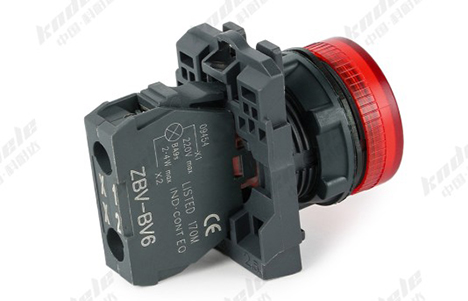
LED Pilot Lamp Advantages: Efficiency, Lifespan, and Safety

Introduction

Pilot lamps are an essential part of electrical control systems, providing operators with real-time visual feedback about the status of machinery, circuits, and processes. Traditionally, incandescent pilot lamps were widely used, but LED pilot lamps have rapidly become the preferred choice across industrial, commercial, and residential applications.

Why are LEDs taking over? Let’s explore the key advantages of LED pilot lamps, focusing on efficiency, lifespan, and safety.
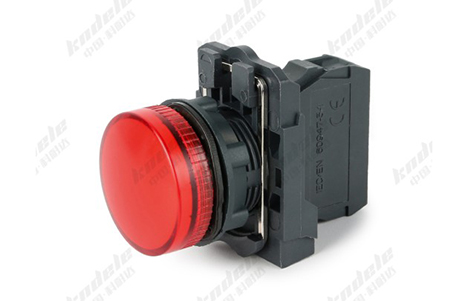
Energy Efficiency

One of the most notable benefits of LED pilot lamps is their low power consumption.

Reduced energy use: LEDs consume a fraction of the power required by incandescent lamps, which can significantly reduce electricity costs in large control panels or systems with multiple indicators.

Low heat emission: Unlike traditional lamps, LEDs generate minimal heat, helping maintain cooler operating temperatures inside electrical enclosures.

Sustainable choice: Lower energy consumption contributes to environmental sustainability, making LEDs an eco-friendly alternative.

Long Lifespan

LED pilot lamps are designed to last much longer than incandescent or neon lamps, offering significant operational and maintenance benefits.

Durability: Many LED lamps can operate for 50,000+ hours, which translates to years of reliable service.

Reduced maintenance: Fewer lamp replacements reduce downtime, labor costs, and potential system interruptions.

Consistent performance: LEDs maintain consistent brightness and color over their lifespan, ensuring reliable visual indicators throughout their service life.

Enhanced Safety

LED pilot lamps contribute directly to workplace and operational safety.

Lower operating temperatures: LEDs reduce the risk of burns or fire hazards inside control panels.

Immediate illumination: LEDs light up instantly, providing quick and reliable visual feedback during emergencies or abnormal conditions.

Shock and vibration resistance: Solid-state LEDs are more robust than filament-based lamps, making them less susceptible to damage in industrial environments.

Color clarity: LEDs provide bright, consistent colors, helping operators quickly identify alarms, warnings, and normal operating conditions without ambiguity.

Versatility and Modern Features

Beyond efficiency, lifespan, and safety, LED pilot lamps offer additional advantages for modern control systems:

Wide voltage compatibility: LEDs work in both AC and DC systems, accommodating a broad range of industrial applications.

Compact and flexible design: Small sizes and multiple mounting options make installation easier in crowded control panels.

Advanced signaling options: Many LED pilot lamps feature multi-color capability, blinking modes, and dimming options for customized indications.

Cost-Effectiveness Over Time

Although LED pilot lamps may have a slightly higher upfront cost compared to traditional lamps, their long-term benefits make them highly cost-effective:

Lower energy bills

Minimal replacement and maintenance costs

Reduced downtime due to failures

This makes LEDs a smart investment for both safety and efficiency.

Conclusion

LED pilot lamps have transformed electrical control systems by combining energy efficiency, long lifespan, and enhanced safety in a compact and reliable design.

By switching to LED indicators, industries and facilities can reduce operating costs, improve system reliability, and create safer working environments. Whether in automation, machinery, or power distribution panels, LED pilot lamps are no longer just an upgrade—they are an essential component for modern, smart, and safe electrical systems.
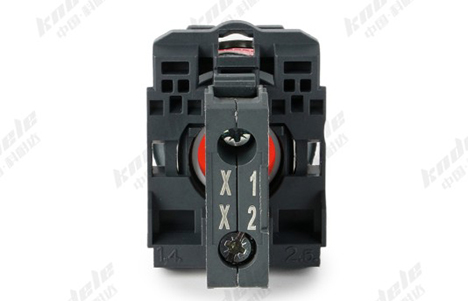
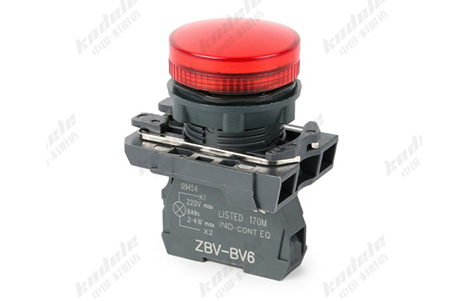
Top Features to Look for When Buying a High-Quality Pilot Lamp

Introduction

Pilot lamps are essential components in electrical control systems, providing instant visual feedback about equipment status, fault conditions, and operational alerts. Whether you’re designing a control panel, upgrading industrial machinery, or maintaining an electrical system, selecting the right pilot lamp is critical for performance and safety.

With so many options available, knowing what to look for can save you time, reduce maintenance costs, and ensure reliable operation. Here are the top features to consider when buying a high-quality pilot lamp.

Brightness and Visibility

A pilot lamp’s primary purpose is to provide a clear visual signal. Key points to consider include:

Luminous intensity: The lamp should be bright enough to be visible from a distance, even in well-lit environments.

Wide viewing angle: A broader angle ensures visibility from different positions around the control panel.

LED vs. incandescent: LEDs offer brighter, more uniform light, longer life, and lower power consumption compared to traditional incandescent lamps.

Color Options and Clarity

Color coding is vital for instantly communicating system status:

Red: Faults, stop signals, or emergencies

Green: Normal operation

Yellow/Amber: Warnings or abnormal conditions

Blue/White: Special functions or auxiliary status

High-quality pilot lamps use clear, consistent colors that remain visible over time without fading. Avoid lamps that look washed out or have unclear hues.

Durability and Build Quality

Industrial environments can be harsh, so robust construction is essential:

Housing materials: Look for corrosion-resistant metals, high-grade plastics, or stainless steel for panels exposed to moisture or chemicals.

Impact resistance: Some lamps are rated for mechanical shocks or vibration.

Long lifespan: High-quality LEDs can last 50,000+ hours, reducing maintenance frequency.

Voltage and Current Ratings

Choosing a lamp with the correct electrical specifications is crucial for safety and compatibility:

Operating voltage: Ensure it matches your system (commonly 12V, 24V, 120V, or 230V AC/DC).

Current consumption: LEDs consume significantly less power than incandescent bulbs.

Overvoltage protection: Some pilot lamps include built-in resistors or protection circuits to prevent damage.

Mounting and Installation Options

Ease of installation improves efficiency and reduces errors:

Panel mounting size: Standard sizes (e.g., 22mm, 30mm) make replacements and upgrades easier.

Snap-in or screw-in options: Choose the style that suits your panel design.

Compact design: Smaller lamps are easier to integrate into crowded control panels.

Environmental and Safety Ratings

High-quality pilot lamps often come with certifications and protection ratings:

IP rating: Protects against dust and water ingress (e.g., IP65 or higher for industrial environments).

UL/CE certifications: Ensure compliance with international safety standards.

Temperature range: Check for lamps that can operate in extreme heat or cold if required.

Additional Functionalities

Modern pilot lamps often include extra features for enhanced usability:

Flashing or blinking modes: Useful for drawing attention to alarms.

Dimmer compatibility: Allows brightness adjustment in sensitive environments.

Indicator combination: Some units combine multiple colors in a single lamp for more complex signaling.

Conclusion

Selecting a high-quality pilot lamp isn’t just about picking a light—it’s about ensuring safety, reliability, and efficiency in your electrical control system. Focus on brightness, color clarity, durability, electrical ratings, mounting options, environmental protection, and advanced features to make the right choice.

Investing in the right pilot lamp ensures clear communication, reduces maintenance headaches, and keeps your operations running smoothly and safely.

How Pilot Lamps Improve Safety in Electrical Control Systems

Introduction

In modern electrical control systems, safety is more than a design requirement—it is a core operational priority. From industrial machinery and automation lines to power distribution panels, operators depend on fast and accurate visual feedback to avoid hazards. This is where pilot lamps—simple yet powerful indicator lights—play an essential role.

Pilot lamps provide real-time status information about circuits, equipment conditions, and abnormal situations. By offering intuitive and immediate visual cues, they help prevent accidents, reduce human error, and ensure safer operation.

This article explains how pilot lamps enhance safety in electrical control systems and why they remain indispensable in both traditional and digitalized industrial environments.

Instant Visual Status Indication

One of the biggest advantages of pilot lamps is their ability to display system status at a glance. When an operator opens a control panel, the illuminated indicators instantly show whether the system is:

Powered ON or OFF

Running or stopped

Overloaded or faulty

In a normal or alarm state

This quick visibility reduces the risk of misoperation. Instead of relying on meters or performing manual checks, workers immediately know the condition of the equipment. This is critical during emergencies when every second counts.

Early Warning for Abnormal Conditions

Pilot lamps play a key role in fault detection and early warning.

Different colors are widely used to represent specific conditions:

Red: Fault, emergency stop, overload

Yellow/Amber: Warning or abnormal state

Green: Normal operation

Blue/White: Special functions or auxiliary status

When a fault occurs—such as motor overload, circuit interruption, or overheating—the warning lamp lights up instantly. This helps operators respond before minor issues escalate into dangerous failures or costly downtime.

Clear Isolation and Lockout Indication

Maintenance safety is heavily dependent on clear isolation status. Pilot lamps help technicians verify:

Whether a circuit is truly de-energized

Whether a machine is in lockout/tagout (LOTO) mode

If an energy source has been safely disconnected

Without visual confirmation, a technician might mistakenly assume a circuit is safe to handle. An illuminated pilot lamp eliminates uncertainty, preventing accidental contact with live components.

Enhances Human–Machine Interaction (HMI)

Even in highly automated systems with digital HMIs, pilot lamps remain valuable because:

They provide redundant safety confirmation

They work even when the HMI or PLC fails

They ensure visibility from a distance without navigating screens

In industrial environments with dust, vibration, or noise, simple indicator lamps can outperform screens in reliability and visibility.

This redundancy helps avoid misinterpretation and strengthens overall system safety.

Helps Maintain Operational Discipline

Standard color conventions improve safety by encouraging consistent operator behavior. When workers see a red lamp, they stop. When they see green, they proceed. This consistency:

Reduces miscommunication

Decreases training time

Ensures safer procedures across shifts

Pilot lamps create a shared safety language that everyone understands, improving operational discipline.

Improves Nighttime and Low-Visibility Operation

In dark or enclosed electrical rooms, pilot lamps provide necessary illumination for identifying equipment status. LED pilot lamps in particular offer:

High brightness

Low power consumption

Long service life

Clear, uniform colors

This visibility helps technicians avoid misoperation during night shifts or emergency maintenance.

Conclusion

Pilot lamps may look simple, but they play a powerful role in electrical system safety. By offering instant visual feedback, early warnings, clear isolation status, and reliable redundancy, they help operators make faster, safer decisions.

Whether in industrial automation, control panels, power distribution, or machinery operation, pilot lamps remain indispensable safety components.

As electrical systems continue to evolve, the importance of intuitive, fail-safe visual indicators will only grow—making pilot lamps a small but critical part of a safer, smarter industrial world.

Why Pilot Lamps Are Essential in Industrial Automation Systems

Introduction

In modern industrial automation, countless sensors, controllers, and machines work together to keep production lines running efficiently and safely. Despite the complexity of these systems, one of the simplest components—the pilot lamp—remains indispensable. These small indicator lights provide real-time visual feedback that helps operators monitor equipment status, identify faults, and ensure smooth plant operation.

So why are pilot lamps still essential in today’s high-tech industrial environments? This article explains their importance, functions, and the advantages they bring to automation systems.

What Is a Pilot Lamp?

A pilot lamp, also known as an indicator light, is a small device installed on control panels, operator consoles, machinery, and switchboards. It illuminates to communicate specific equipment conditions such as:

Power ON/OFF

Motor running

System faults or alarms

Operation modes

Standby or emergency status

Although simple, pilot lamps play a critical role as the “visual language” of industrial automation.

Immediate, Clear Visual Feedback for Operators

Automation systems are complex, but operators need simple and direct feedback. Pilot lamps provide:

Instant visibility from a distance

Color-coded status identification

Non-verbal communication that requires no specialized knowledge

For example:

Green → Machine running normally

Red → Fault or emergency

Yellow → Warning or standby

This real-time clarity helps operators react quickly, preventing delays and accidents.

Enhancing Safety Across Industrial Environments

Safety is the top priority in any factory. Pilot lamps improve safety by:

Indicating live circuits or high voltage

Signaling machine motion or hazards

Alerting workers during emergency stops

Minimizing the need to open control cabinets

A simple illuminated signal can prevent accidental contact with energized equipment or moving machinery—especially in high-risk environments.

Supporting Efficient Troubleshooting and Maintenance

When a fault occurs, time is critical. Pilot lamps help maintenance teams pinpoint issues quickly by:

Highlighting which circuit or component has failed

Showing abnormal conditions instantly

Reducing the need for disassembly or measurement tools

A red pilot lamp on a motor starter panel, for instance, immediately directs technicians to the issue, reducing downtime and maintenance cost.

Enabling Easy Monitoring of Automated Processes

Automation often involves dozens or hundreds of interconnected devices. Pilot lamps simplify monitoring by:

Showing the running status of individual machines

Providing feedback on control logic

Indicating the sequence of operations

Helping operators oversee processes with minimal training

In fast-paced industrial environments, visual cues are far more efficient than checking software logs or terminal displays.

Improving Human–Machine Interaction (HMI)

Pilot lamps serve as a fundamental part of HMI design. They help create:

Intuitive control panels

User-friendly machine interfaces

Clear operational flow

Operators can understand machine conditions at a glance, even in noisy or low-light environments where buzzers or displays may not be effective.

High Reliability in Harsh Industrial Conditions

Industrial environments can involve vibration, dust, humidity, and temperature extremes. Modern LED pilot lamps offer:

Long lifespan (up to 50,000 hours)

Strong resistance to mechanical shock

Low power consumption

Stable brightness and color

Compatibility with AC/DC voltages

This makes them durable, low-maintenance components ideal for 24/7 production.

Cost-Effective and Simple to Integrate

Pilot lamps require:

No programming

Minimal wiring

Low installation cost

Little to no maintenance over time

For manufacturers looking to increase system reliability without adding complexity or expense, pilot lamps offer an excellent value.

Common Applications of Pilot Lamps in Automation

Pilot lamps appear in nearly every part of an industrial facility, including:

Motor control centers

Conveyors and automated machinery

Pump and fan systems

Power distribution panels

PLC control cabinets

Elevator control rooms

Safety and emergency shutdown systems

Wherever equipment needs status visibility, pilot lamps are present.

Conclusion

Pilot lamps may be one of the simplest components in an industrial automation system, but their importance cannot be overstated. They provide clear, immediate status indication, enhance safety, simplify troubleshooting, and support efficient system monitoring. In an era where automation continues to grow more advanced, pilot lamps remain a foundational element of effective and reliable industrial operations.

How Does a Pilot Lamp Work? Understanding the Basic Structure and Circuit

Introduction

Pilot lamps—also known as indicator lights—are essential components in electrical systems. From industrial control panels to household appliances, they provide a simple but reliable way to visually display operating status, power conditions, and system faults.
Although small in size, the pilot lamp plays a critical role in safety, monitoring, and human–machine interaction.

This article explains how a pilot lamp works, breaks down its internal structure, and shows how it is connected in typical circuits

What Is a Pilot Lamp?

A pilot lamp is a signal device that illuminates to indicate a specific condition in an electrical circuit.
Common indications include:

Power ON/OFF

Machine running or stopped

System fault or alarm

Mode or function status

Voltage presence

Because they provide clear and immediate visual feedback, pilot lamps are widely used in control boxes, power distribution panels, automation equipment, machinery consoles, and electrical appliances.

How a Pilot Lamp Works

In simple terms, a pilot lamp works by energizing a light-emitting element when voltage is applied.
Once powered, it produces light that communicates a specific state to the operator.

Different types of pilot lamps use different light sources:

LED Pilot Lamps (most common today)

Use semiconductor chips

Require rectification and current control

Bright, energy-saving, long lifespan

Neon Pilot Lamps

Glow orange under high-voltage AC

Very low power consumption

Used in 110–220V AC circuits

Incandescent Pilot Lamps

Use a heated filament

Shorter lifespan, higher power usage

Regardless of the light source, the working principle remains the same:
Apply voltage → Lamp energizes → Lamp lights up → Status becomes visible.

Basic Structure of a Pilot Lamp

Although designs vary, most indicator lights share a common internal structure:

Light-Emitting Component

LED chip

Neon bulb

Mini incandescent lamp

This is the core element that produces light.

Lens Cap / Indicator Cover

Usually colored transparent plastic

Colors: red, green, yellow, blue, white

Helps diffuse light and improve visibility

Often designed for panel mounting

Lamp Holder / Body

Provides insulation and mechanical support

Usually flame-retardant plastic or metal

Contains mounting threads or clips

Terminals

Screw terminals

Faston / spade terminals

Plug-in connectors

These allow simple wiring in electrical cabinets.

Built-In Components (for LED lamps)

LED pilot lamps may include:

Current-limiting resistors

Rectifier or bridge diode

Capacitor-drop power supply

These components allow the lamp to operate directly on AC/DC 12V, 24V, 110V, 220V, or other voltage levels.

Why Pilot Lamps Matter

Pilot lamps are simple but critical components because they:

Improve safety

Operators immediately see abnormal conditions.

Enhance visibility and usability

Panels and machines become more intuitive.

Support fast troubleshooting

Fault lights reduce diagnostic time.

Require little maintenance

LED types can last tens of thousands of hours.

Conclusion

A pilot lamp is more than just a small light—it’s an essential part of any electrical system. By understanding its working principle, structure, and wiring methods, engineers and technicians can design safer, more reliable control panels and improve equipment usability.

If you’re selecting pilot lamps for a project, knowing what’s inside helps you choose the right voltage, color, and type for the job.