


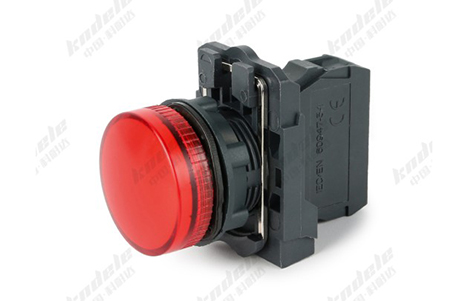
Pilot lamps are an essential part of electrical control systems, providing operators with real-time visual feedback about the status of machinery, circuits, and processes. Traditionally, incandescent pilot lamps were widely used, but LED pilot lamps have rapidly become the preferred choice across industrial, commercial, and residential applications.
Why are LEDs taking over? Let’s explore the key advantages of LED pilot lamps, focusing on efficiency, lifespan, and safety.
 Energy Efficiency
One of the most notable benefits of LED pilot lamps is their low power consumption.
Reduced energy use: LEDs consume a fraction of the power required by incandescent lamps, which can significantly reduce electricity costs in large control panels or systems with multiple indicators.
Low heat emission: Unlike traditional lamps, LEDs generate minimal heat, helping maintain cooler operating temperatures inside electrical enclosures.
Sustainable choice: Lower energy consumption contributes to environmental sustainability, making LEDs an eco-friendly alternative.
LED pilot lamps are designed to last much longer than incandescent or neon lamps, offering significant operational and maintenance benefits.
Durability: Many LED lamps can operate for 50,000+ hours, which translates to years of reliable service.
Reduced maintenance: Fewer lamp replacements reduce downtime, labor costs, and potential system interruptions.
Consistent performance: LEDs maintain consistent brightness and color over their lifespan, ensuring reliable visual indicators throughout their service life.
LED pilot lamps contribute directly to workplace and operational safety.
Lower operating temperatures: LEDs reduce the risk of burns or fire hazards inside control panels.
Immediate illumination: LEDs light up instantly, providing quick and reliable visual feedback during emergencies or abnormal conditions.
Shock and vibration resistance: Solid-state LEDs are more robust than filament-based lamps, making them less susceptible to damage in industrial environments.
Color clarity: LEDs provide bright, consistent colors, helping operators quickly identify alarms, warnings, and normal operating conditions without ambiguity.
Beyond efficiency, lifespan, and safety, LED pilot lamps offer additional advantages for modern control systems:
Wide voltage compatibility: LEDs work in both AC and DC systems, accommodating a broad range of industrial applications.
Compact and flexible design: Small sizes and multiple mounting options make installation easier in crowded control panels.
Advanced signaling options: Many LED pilot lamps feature multi-color capability, blinking modes, and dimming options for customized indications.
Although LED pilot lamps may have a slightly higher upfront cost compared to traditional lamps, their long-term benefits make them highly cost-effective:
Lower energy bills
Minimal replacement and maintenance costs
Reduced downtime due to failures
This makes LEDs a smart investment for both safety and efficiency.
LED pilot lamps have transformed electrical control systems by combining energy efficiency, long lifespan, and enhanced safety in a compact and reliable design.
By switching to LED indicators, industries and facilities can reduce operating costs, improve system reliability, and create safer working environments. Whether in automation, machinery, or power distribution panels, LED pilot lamps are no longer just an upgrade—they are an essential component for modern, smart, and safe electrical systems.

