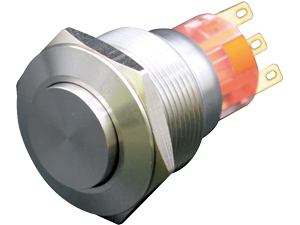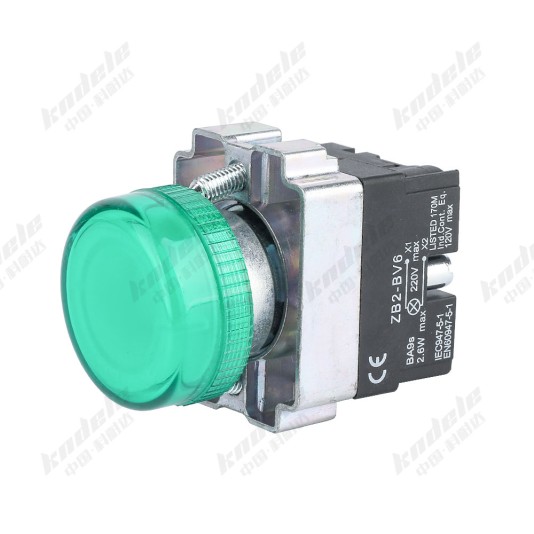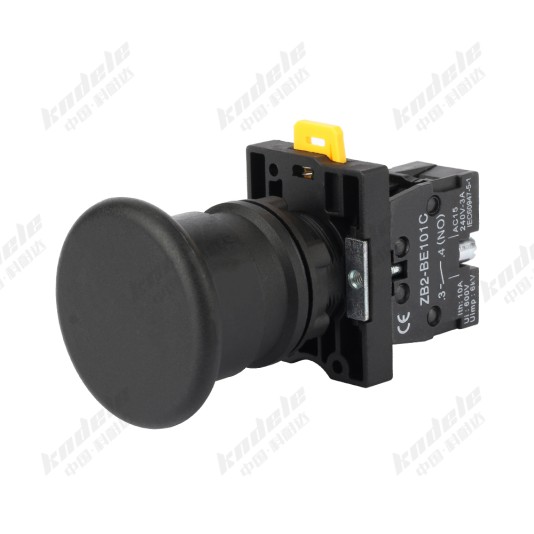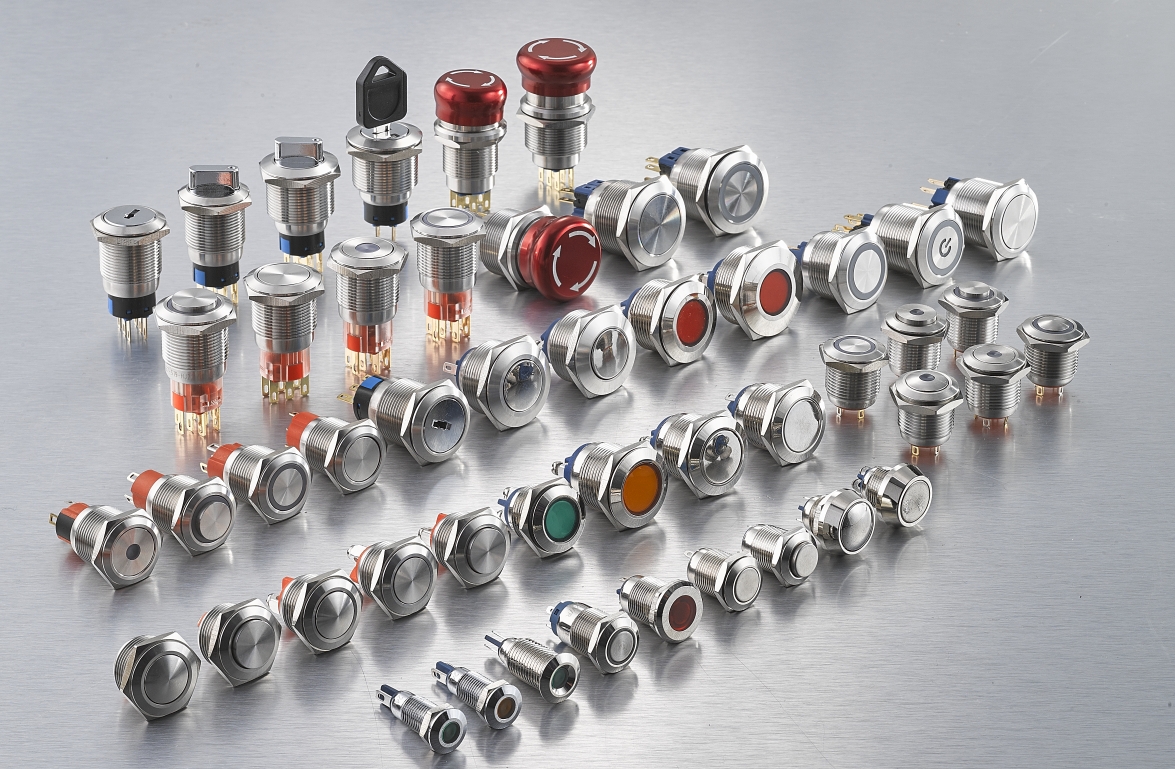
All posts by pj1junj

Momentary Push Button Switch vs. Latching Push Button Switch

1. Introduction

Push button switches are fundamental components in industrial electrical control systems. Whether it’s turning on machinery, initiating an emergency stop, or controlling lighting systems, these switches offer reliable human-machine interaction.

At their core, push button switches serve a critical function: they open or close an electrical circuit when manually actuated, enabling control over devices, equipment, and entire systems.

Within the wide world of push button switches, two common types dominate control panel designs and OEM applications: the momentary push button switch and the latching push button switch. While they might look similar on the outside, their internal behavior and control functions are significantly different.

This article will walk you through their definitions, operating principles, comparative features, and practical advice on how to choose the right switch for your project or purchase needs.

2. What Is a Momentary Push Button Switch?

2.1 Definition

A momentary push button switch is a type of switch that only maintains its circuit status while being pressed. Once pressure is released, it automatically returns to its original position and state—open or closed depending on the design.

You likely interact with momentary push buttons every day—think elevator buttons, doorbells, or machine start/stop controls.

2.2 Working Principle

The momentary push button switch contains a spring-loaded mechanism. When you press the button, the contacts close (or open in normally closed types), completing the circuit. When you let go, the spring pushes the button back, and the contacts return to their original state.

This switch is ideal for tasks where temporary activation is needed—start motors, activate alarms, or trigger a process without needing to maintain contact.

China 22MM Momentary Push Button Switch

3. What Is a Latching Push Button Switch?

3.1 Definition

A latching push button switch, also known as a self-locking or maintained switch, changes its state every time you press it. Press once to turn on, press again to turn off. It “latches” into position until manually reset.

These are common in light switches, control panels, and toggle-type operations where state memory is required without constant finger pressure.

3.2 Working Principle

Internally, latching switches include a mechanical or electrical latching mechanism that locks the switch contacts in place after actuation. This can involve a physical detent or an electronic relay to hold the new position.

Unlike momentary switches, there is no return spring to reset the state. That makes it a better choice for long-term on/off control.

China Latching Push Button Switch
image description

4. Understanding the Differences: Momentary Push Button Switch vs. Latching Push Button Switch

In industrial automation and electrical control systems, choosing the right type of push button switch isn’t just a matter of preference—it can directly affect machine behavior, operator safety, and system efficiency. Let’s explore the key differences between momentary push button switches and latching push button switches across various technical and functional dimensions.

4.1 Behavior

The core behavioral difference lies in how each switch responds after being pressed.

  • A momentary push button only stays engaged while being held. This behavior is often described as spring return—once the pressure is removed, the button returns to its original state automatically. This makes it suitable for controls like an equipment start button, foot switch momentary, or test pulse trigger.

  • A latching push button maintains its new state after actuation. One press closes the circuit, and the next opens it. It’s like a toggle switch but in button form, often with a mechanical locking mechanism that holds its state until it’s pressed again.

This difference is crucial when deciding how you want your device or system to behave during and after interaction.

4.2 Mechanical Design

From an engineering perspective, the internal mechanics vary significantly:

  • Momentary switches rely on a spring return mechanism, ideal for temporary connections. They’re designed for high-cycle use in repetitive operations. Some models, such as the 2 way momentary switch or switch DPDT momentary, offer dual-directional or double-pole configurations for complex circuits.

  • Latching switches, on the other hand, include an internal mechanical latch or detent system. This structure allows them to hold a state until deliberately reset. These are commonly used in electrical cabinets where the user doesn’t want to hold the switch continuously.

4.3 Circuit Control

  • Momentary switches are often used to send a momentary signal to a relay control or PLC control. This makes them perfect for activating processes without permanent circuit engagement—such as in a machine jog mode, alarm trigger, or manual override.

  • Latching switches offer a maintained signal and are more appropriate when you want something to stay powered until the operator changes it. For example, turning on lights in an industrial control panel, or controlling an automation system that doesn’t need constant human interaction.

4.4 Installation & Maintenance

Installation is generally straightforward for both types. Most fit standard panel cutouts and support both surface-mount and flush-mount formats. However, consider the following:

  • Momentary buttons tend to be more common in emergency stop button applications. Their frequent use and safety-critical roles mean they must be highly durable and often require IP65 or higher protection.

  • Latching switches require attention to mechanical wear of the locking mechanism. They’re often found in power panels or equipment master control points, where access is more restricted, and actuation frequency is lower.

Routine inspection and function testing are especially important for both types when deployed in automation equipment or safety-critical scenarios.

4.5 Durability

Durability often correlates with the switching cycle count:

  • High-quality momentary switches can withstand millions of cycles, especially when built with industrial-grade materials like stainless steel or anodized aluminum. They’re ideal for repetitive-use cases like foot pedal controls, production line stations, or manual process triggers.

  • Latching switches, while robust, tend to have slightly lower actuation life due to more moving parts in the latch mechanism. However, modern designs have significantly improved in longevity and vibration resistance.

4.6 Cost

From a procurement standpoint:

  • Momentary push button switches are generally more cost-effective, especially in simple rocker switch momentary or basic push-to-make models.

  • Latching buttons, with their more complex internal mechanisms, are slightly more expensive, particularly if they include features like LED illumination, dual-contact outputs, or modular relay interface compatibility.

Cost should be evaluated alongside lifecycle expectations, as higher-quality switches reduce long-term maintenance costs.

4.7 Switching Mode

This refers to how the circuit is controlled and how current flows:

  • Momentary switches support non-latching switching: current flows only when the button is depressed.

  • Latching switches support maintained switching, where the state persists independently of physical pressure. This is critical in applications like mode selection, reset control, or manual bypass functions in a control system.

4.8 Advantages

Momentary Push Button Switch:

  • Fast, responsive control

  • Ideal for temporary actions

  • Safer for emergency functions

  • Simpler and lower cost

Latching Push Button Switch:

  • Enables hands-free operation

  • Maintains ON/OFF state without constant user input

  • Excellent for long-term power toggling

  • Adds memory-like functionality in basic systems without PLCs

4.9 Electrical Specifications

Both types are available in a range of ratings:

  • Voltage: Typically from 12V DC to 250V AC

  • Current: Commonly from 3A to 16A

  • Contact types: SPST, SPDT, DPDT (e.g., switch DPDT momentary)

  • Terminals: Solder lug, screw, or quick-connect

  • Compliance: UL, CE, RoHS for safety and reliability

Engineers should match switch specs with system requirements like load type, inrush current, insulation resistance, and short-circuit tolerance.

4.10 Safety Features and Compliance

In industrial settings, switches must meet safety compliance:

  • Momentary buttons used in safety switch applications often include:

    • Fail-safe mechanisms

    • IP67 waterproof designs

    • Panel lockout features

  • Latching switches require reliable locking action to prevent unintended toggling, particularly when used in high-vibration environments.

Both types should conform to international standards for operation in regulated industries such as manufacturing, energy, or transport.

5. Application of Momentary Push Button Switch and Latching Push Button Switch

Momentary Switch Applications:

  • Machine start/stop buttons

  • Alarm systems

  • Test benches

  • Signal triggering in PLCs

  • Emergency stop controls

Latching Switch Applications:

  • Power control switches

  • Light switching

  • Industrial process toggles

  • Reset functions

  • HVAC panel control

Understanding these use cases helps engineers and procurement professionals determine which switch aligns with their system requirements.

6. How to Choose Between Momentary and Latching Push Button Switch

Choosing the right switch isn’t just about form factor—it’s about function, environment, and user expectations. Here are some critical considerations:

6.1 Application Requirements

Ask: Does the switch need to maintain its state after being pressed? If yes, go for latching. If not, momentary fits.

6.2 User Interaction

Momentary switches require continuous pressure, suitable for brief interactions. Latching switches are preferred for one-time activation with long effect.

6.3 Environmental Factors

If your device operates in wet or dusty environments, IP-rated metal push buttons are essential—available in both momentary and latching versions.

6.4 Electrical Load Characteristics

Momentary switches work well with control signals. For power switching, latching models with higher amperage ratings may be better suited.

6.5 Installation and Maintenance

Consider switch lifespan, number of cycles, mounting options, and panel space. KND switches, for instance, offer durable metal bodies and compact designs optimized for modern control panels.

7. Conclusion

Both momentary push button switches and latching push button switches play vital roles in electrical control systems. Understanding their operating principles, strengths, and applications allows engineers and purchasing managers to make informed decisions, ensuring safety, efficiency, and longevity in industrial settings.

Looking for high-quality, durable momentary push button switches that meet global safety standards and industrial-grade performance?

👉 KND Momentary Push Button Switches

Our switches are engineered for excellence, with IP-rated protection, rugged metal bodies, and customizable contact configurations to suit a wide range of industrial applications.
What Is Push Button Switch Used For?

Introduction

A push button switch is a simple yet powerful control device that we use every day. From the start button on your coffee machine to the emergency stop switch on industrial equipment, these tiny control devices quietly power modern life. Push button switches are used every day in our lives and are also an essential part of complex industrial systems. This blog will show you all the different ways you can use it.

What Is A Push Button Switch?

Push button switches are a simple control device. Whether it is NO (normally open) or NC (normally closed) contacts, the basic principle is very simple. You can use it to turn an electrical device on or off by pressing the button. There are different types of these things. You can tell the difference by looking at them, how they work and what they are made of. They are used in lots of different equipment and places.
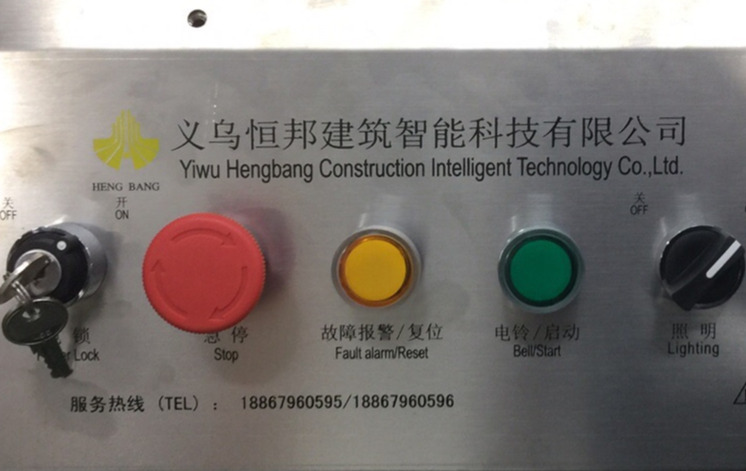
Push Button Switch Application

Push button switches are incredibly versatile. Here are some common push button switch uses across industries:

Industrial Automation Systems

In industrial automation, push buttons are used to start and stop production lines, operate robots, and control conveyor belts. These switches are built to withstand harsh environments and frequent use.
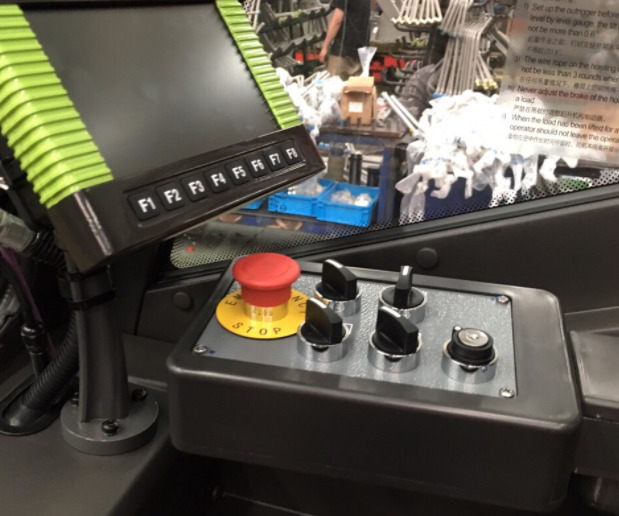
Electrical Control Panels

Push buttons are essential in electrical control panels. Operators use them to initiate machine operations, reset faults, and manage equipment safely. Panel-mounted push buttons often come with LED indicators for better circuit control feedback.

Emergency Stop and Safety Systems

Safety first. Emergency stop (E-Stop) push button switches are bright red, easy to spot, and critical in shutting down operations instantly during emergencies. They prevent accidents and equipment damage.

Emergency stop push button switch for industrial

Machinery and Motor Start/Stop Control

Starter push button switches are key in starting and stopping motors. Whether it’s a CNC machine, a packaging unit, or a manufacturing robot, these buttons ensure quick control over machinery.

Building and Access Systems

Think of automatic doors, access control panels, or security systems. Push buttons are widely used to manage entry and exit points securely and efficiently.

Elevator and Transportation Equipment

Elevator control panels rely heavily on push button switches. Each floor button, alarm button, and door open/close control is handled by durable push buttons built for repetitive use.

Automotive Industry

Inside vehicles, push button switches handle functions like engine start/stop, window controls, and even lighting systems. Modern cars depend heavily on reliable button push mechanisms.

Telecommunications Equipment

In communication hubs and server rooms, push button switches are used for system resets, manual overrides, and network management tasks. They provide critical hands-on control for complex systems.

Push Button Switches Types

Push button switches come in different types to suit specific applications. Here are some key push button switch types:

2-Position Push Button Switches

China 2-Position Push Button Switches For Industrial

These switches offer two distinct positions, typically ON and OFF. They are simple, reliable, and used for straightforward circuit control.

Dual Push Button Switches

Dual push buttons combine two buttons into one unit—usually green for start and red for stop. Common in motor control applications, they offer convenient management of machinery.

Panel Mounted Push Button Switches

China Panel Mounted Push Button Switches

Mounted onto control panels, these switches are designed for high-visibility and easy access. They often include protective features like dust covers and are critical in industrial settings.

Metal Push Button Switch

12V Metal Push Button Switch

Metal push buttons are durable and resistant to wear, corrosion, and vandalism. They are ideal for outdoor applications, heavy industries, and public access systems.

Momentary Push Button Switch

China 12MM Momentary Push Button Switch

A momentary push button switch is activated only while pressed. It returns to its default state when released. Think about the “doorbell” push button—a classic example of a momentary push button switch.

Latching Push Button Switch

Latching switches maintain their position after being pressed. One push turns the circuit ON; another push turns it OFF. They are common in power control systems and circuit breakers.

Illuminated Push Button Switch

China Illuminated Push Button Switch

These switches come with built-in lighting (often LED) that provides visual feedback. Illuminated switches enhance control device visibility in low-light or industrial environments.

Mushroom Head Push Button Switch

China Mushroom Head Push Button Switch

Designed for emergency stops, mushroom head push buttons are large, easily recognizable, and built for fast access. They are often featured in emergency stop and safety systems.

Advantages of Push Button Switches in Industrial Applications

Push button switches offer numerous advantages in industrial settings:

  • Reliability: Designed for repeated use without failure.
  • Durability: Built to endure harsh environments, temperature fluctuations, and mechanical stress.
  • Ease of Use: Simple operation reduces training time and errors.
  • Versatility: Suitable for countless applications, from circuit control to machinery operation.
  • Compact Design: Fits neatly into panels without taking up much space.
  • Customization: Options include various actuator shapes, colors, NO and NC contacts, and illumination features.

In industrial automation, these advantages make push button switches an indispensable component.

Choosing the Right Push Button Switch

China Stainless steel push button switchSelecting the right push button switch is crucial. Here are key factors to consider:

  • Application Type: Define where and how the switch will be used. (E.g., control panels, machinery, public terminals)
  • Momentary vs Latching: Decide whether you need a momentary switch (returns to default) or a latching switch (maintains state).
  • Environment: Check if the environment is harsh, dusty, wet, or prone to vandalism.
  • Electrical Rating: Ensure the switch can handle the expected voltage and current.
  • Switch Contacts: Choose appropriate NO and NC contacts based on your circuit design.
  • Mounting Style: Panel-mounted? PCB-mounted? Choose accordingly.
  • Material and Build: For rugged use, metal push button switches are ideal.
  • Visual Indicators: Illuminated push buttons are perfect for environments requiring visual confirmation.
  • Safety Features: Emergency stop switches must comply with relevant safety standards.

Always consult with your supplier and evaluate product datasheets carefully to match the right push button switch to your specific push button switch application.

Conclusion

A push button is a simple control device. When you press the switch button, the circuit will be turned on or closed to achieve control operations. It is simple to use but can do a lot. Button switches are used in many different products, from small household items to large industrial equipment. This shows how important and reliable they are.

Understanding different push button switch uses, types and application scenarios of button switches is very important for purchasing personnel and technical engineers, and can help us make the right choice.
If you also want or have a professional push button switch solution, please contact our professional electrical engineer now!

How Does a Push Button On Off Switch Work?

A push button on off switch may seem like a small and simple device, but it plays a crucial role in everything from home appliances to complex industrial control systems. Just a press lets you start or stop the flow of electricity, making it an essential part of countless machines and automation components.
In this article, I’ll walk you through what it is, how it works, and where you’ll most commonly find it. Let’s get into it.

What Is a Push Button On Off Switch?

A push button on off switch is a mechanical switch that controls the current flow in a circuit. When you press the button, it either completes or interrupts the circuit, depending on its configuration. This simple on/off mechanism is used in:

  • 12V DC systems (e.g., cars, boats)
  • AC power systems in homes and factories
  • Control panels for industrial machines

These switches are available in different types, such as:

  • Momentary push button switch: Only remains active while being pressed
  • Latching push button: Stays in its new state (ON or OFF) after being pressed
  • Double-throw switch: Allows toggling between two separate circuits

You’ll often see models marketed as a 12V push button switch, push button power switch, or even a push button switch 12V on off, depending on the application.

Push Button On Off Switch

Push Button On Off Switch Working Principle

Understanding the push button on off switch working principle requires breaking it down into both mechanical and electrical operations. This switch may appear simple on the outside, but internally, it combines smart engineering to reliably control circuit interruption with a single press.

Let’s walk through it in detail.

3.1 Components of a Push Button On Off Switch

To understand how it works, you first need to know what’s inside. A standard industrial push button switch is made up of the following components:

  • Actuator (Button Cap): This is the visible part of the switch that you press. It’s typically designed for durability and ergonomic ease, especially in industrial control systems.

  • Spring Mechanism: Provides tactile feedback and resets the switch. In momentary models, it ensures the button pops back up instantly.

  • Contact System (NO or NC):

    • Normally Open (NO) switch: Circuit is open by default; pressing the button closes it.

    • Normally Closed (NC) switch: Circuit is closed by default; pressing opens it.

  • Stationary & Moving Contacts: Made of conductive metals like silver alloy for consistent conductivity.

  • Terminals: Provide connection points for external wiring — essential for both 12V push button switch setups and AC systems.

  • Housing / Mounting Base: Offers insulation, protection, and mechanical support. Often IP-rated for waterproof or dustproof performance.

3.2 Push Button On Off Switch Wiring Diagram

A basic wiring configuration for a momentary push button switch or latching switch looks like this:

The actual setup will depend on whether you’re using a single-pole single-throw (SPST), double-throw switch, or more advanced configuration. For example:

  • A SPST switch toggles a single circuit ON/OFF.

  • A double-throw switch allows switching between two circuits or functions — useful in automation components for mode control.

If you’re wiring a push button switch 12V on off in a vehicle or low-voltage device, the switch typically sits between the battery and the load (like LED lights or a fan), with inline fuses to ensure safety.

3.3 How Does It Work?

Let’s break down the on/off mechanism in real use:

First Press – Power ON

  1. You press the actuator.

  2. The spring compresses, moving the internal shaft downward.

  3. The moving contact bridges the gap with the stationary contact.

  4. The circuit completes — current flows through the load.

  5. In a latching push button switch, a mechanical latch holds the contact in place (ON state).

Second Press – Power OFF

  1. Press again to release the latch.

  2. The spring expands, and the contact separates.

  3. The circuit breaks, and the load powers down (OFF state).

  4. The button returns to its original position.

For a Momentary Switch:

  • The switch stays ON only while pressed.

  • Commonly used for test triggers, resets, or starter pulses.

  • As soon as pressure is released, the spring resets the contact to break the circuit — no on/off mechanism is retained.

3.4 Additional Features in Advanced Switches

Some high-quality industrial push button switches include:

  • Integrated LED indicators for status display

  • Anti-vibration terminals to prevent accidental contact loss

  • RC filters to suppress contact bounce in sensitive circuits

  • IP65/IP67-rated enclosures for wet or dusty environments

Whether you’re using a push button power switch for a control panel or a compact momentary switch in a hobby project, the core working principle remains rooted in precise mechanical contact and safe circuit interruption.

Push Button Switch Applications and Use Cases

Thanks to their versatility, push button on off switches are used in nearly every sector, including:

  • Home electronics: Lamps, coffee makers, desktop PCs

  • Automotive systems: Engine start/stop using 12V push button switches

  • Industrial automation: Starting motors, activating conveyor belts

  • Security systems: Emergency stop buttons using momentary push button switches

  • DIY electronics: For small circuits, especially with 12V DC systems

They are also heavily used as input devices in automation components where reliable, fast, and safe manual control is necessary.

Conclusion

The push button on off switch may be compact, but it’s a powerhouse in terms of function. From the basic tactile feedback of a momentary switch to the secure toggle of a double-throw switch, these components deliver precise control, circuit protection, and long-lasting performance.

By understanding how it works and where it fits into your system, you’ll be able to choose the right push button power switch for your project — whether it’s for your next DIY build or a piece of industrial machinery.

Top 5 Benefits of Using Mushroom Head Push Button Switches

Introduction

In emergency situations, fast and reliable tools are crucial. The mushroom head push button switch is designed for exactly that. Its large, easy-to-press design allows for quick and effective operation, even under stressful conditions. Built to last, these switches offer exceptional durability and are perfect for environments where reliability is key.

User-friendly and comfortable, the mushroom head button is ideal for all users, including those with limited dexterity. These switches are especially suited for industrial environments or safety-critical applications, providing the dependable performance needed when it matters most.

Key Takeaways

Mushroom head push button switches are simple to spot and press. They are very useful during emergencies in factories and risky places.

Their shape stops accidental presses. This means they only work when you want them to, keeping busy areas safer.

These switches are strong and last a long time. Some can handle up to 1,000,000 presses, so you don’t need to replace them often, saving money.

Mushroom head push-button switches are used in many industries. They work well in factories, transportation, and healthcare and meet different needs.

Buying good mushroom head push button switches makes things safer and faster. They work well even in tough situations.

Enhanced Safety

Easy to Spot in Emergencies

A mushroom head push button switch is big and brightly colored. This makes it simple to find during emergencies, even in dark or messy places. Its large size lets you press it fast, even with gloves or limited hand movement. These switches are important in factories where quick actions can stop accidents or damage. Installing them in the right spots makes them easy to reach when every second counts. They also work well with other control systems, fitting smoothly into safety plans.

Stops Accidental Presses

The rounded shape of a mushroom emergency stop button helps avoid accidental presses. You need to push it firmly to activate, which lowers the chance of mistakes. This is helpful in busy areas or places with big machines, where accidental presses could cause problems. Using a momentary mushroom push button switch ensures it only works when pressed on purpose, adding extra safety and trust.

Meets Safety Rules

Mushroom head push button switches follow strict safety rules to work well in emergencies. For example:

Emergency stop buttons quickly shut down machines during dangerous situations.

They meet global safety rules like ANSI/RIA R15.06 and ISO 13850.
The table below shows key rules and what they mean:

Standard What It Covers
OSHA Says e-stops must be easy to reach and not blocked
IEC 60204-1 Requires a second action to reset an e-stop
ANSI B11 Explains safety tools like e-stops
NFPA 79 Gives rules for emergency stop buttons

By following these rules, mushroom head push button switches help keep your safety systems up to industry standards.

Ease of Use

Easy Design for Fast Use

The mushroom head push button switch is easy to use. Its big button, about 28–32 mm wide, is simple to press. You can use your thumb or gloves without trouble. The off-position reset makes it handy for regular use.

Feature Description
Button Size Big button (Ø 28/32 mm) for accurate pressing
Operation Works with thumb or gloves, keeping it convenient
Reset Design Off-position reset for easy and frequent use

This design makes it quick to use, saving time and effort.

Simple to Use in Stressful Times

In stressful moments, you need tools that are simple. The mushroom push button switch is bright and big, so it’s easy to find. You can press it once to act fast when seconds matter. This makes it great for emergencies like stopping machines or preventing accidents.

Works for Everyone, Even with Limited Movement

These switches are made for everyone, even those with less mobility. The large button and easy design need little effort to press. They work well for people with weak hands or wearing gloves. No matter the challenge, these switches are reliable and simple to use. Their design helps everyone use them without problems.

Durability

Made for Tough Conditions

You need tools that work well in hard situations. A mushroom head push button switch is built for tough places. It works even with dust, water, or changing temperatures. Many are made from strong materials like stainless steel or durable plastic. These materials stop rust and damage. This makes them perfect for factories, outdoor use, or anywhere strength is needed.

Strong Against Daily Use

Regular switches can break with too much use. Mushroom push button switches are made to last longer. They are strong and can handle being pressed many times. For example, a momentary mushroom push button switch works well in busy areas. Its strength lowers the chance of breaking, so your systems stay working when needed.

Lasts Long, Saves Money

These switches last a long time, saving you money on repairs. They can work for 200,000 electrical uses and 1,000,000 mechanical uses. The table below shows their great features:

Specification Value
Electrical Life 200,000 Cycles
Mechanical Life 1,000,000 Cycles

Because they last so long, you won’t need to replace them often. Whether it’s an emergency stop button or a regular one, you can count on it to work for years.

Versatility

Works in Many Industries

Mushroom head push button switches are useful in many fields. They fit well in factories, vehicles, and medical tools. For example, they are key in assembly lines where quick actions matter. In vehicles, they work as emergency stops or ignition controls. Medical devices also use them for smooth and easy operation.

Industry How They Are Used
Factories Help in assembly lines and heavy machines
Transportation Used for starting vehicles or stopping in emergencies
Medical Tools Make medical equipment work smoothly and efficiently

Their flexibility makes them a great choice for systems needing reliable controls.

Different Sizes and Designs

These switches come in many sizes and styles to fit your needs. You can pick small ones for tight spaces or big ones for heavy-duty tasks.

  • The S2BR series has many setups with control units and contact blocks.
  • The S16BR series is small, fitting equipment with a 16 mm space.
  • The S3PF series has a flat, round Ø30 mm button.

You can also choose designs for special tasks:

  • The S2BR series Ø22/25 mm switches are great for good electrical flow.
  • The S2TR series Ø22/25 mm double buttons are perfect for ON/OFF tasks.
  • The S2PR series Ø22/25 mm switches come in round or square shapes.

These choices help you find the perfect switch for any job, big or small.

Good for Indoors and Outdoors

Mushroom push button switches work well inside and outside. They are tough and handle heat, dust, and water. This makes them great for factories and outdoor jobs.

  • Their bright colors and easy design improve safety in factories.
  • They are built to last in rough outdoor conditions.
  • You can use them in factories, vehicles, or medical tools.

Whether for a factory or outdoor machine, these switches work reliably wherever you need them.

Cost-Effectiveness

Keeps Systems Running Smoothly

Mushroom head push button switches help systems work without stopping. They have IP65 waterproof protection, so water or dust won’t harm them. These switches also handle extreme temperatures and tough conditions. Made from strong plastic, they don’t break easily, even with heavy use. This makes them reliable and less likely to fail unexpectedly.

Setting them up is quick and simple. You can add them to your system fast, saving time. This means less waiting during installation and more focus on your work. Whether used as an emergency stop or a momentary switch, they keep things running smoothly without interruptions.

Saves Money on Repairs

Fixing or replacing switches often can cost a lot of money. Mushroom push button switches last longer than regular ones, saving you cash. Their strong design resists damage, even in hard-working environments. Some models can handle up to 1,000,000 presses. This strength means fewer problems and lower repair costs over time.

You won’t need to replace them often. Once installed, they keep working well for years. This makes them a smart and affordable choice for both small and big jobs.

Great for Long-Term Use

Buying a mushroom head push button switch is a good investment. They last long and work well, cutting down on costs. These switches are perfect for places where safety and efficiency matter most. They can handle frequent use without losing performance, making them a valuable tool.

Choosing a high-quality switch saves money now and in the future. It keeps your equipment safe and working for a long time. This makes them a must-have for industries that need reliable and cost-effective tools.

Conclusion

A mushroom head push button switch is great for safety and durability. Its design makes it easy to press quickly in emergencies. This is why it’s important for factories and safety jobs. It works well as a regular or emergency stop button. These switches can be used in many systems, like machines or outdoor tools. Using a momentary mushroom push button switch helps save time and boosts efficiency. Adding these switches to your setup improves safety and keeps things running smoothly for a long time.

How to Test a Photoelectric Switch

If you’ve ever found yourself standing in front of a misbehaving machine wondering, “how do I test a photoelectric switch?”, you’re not alone — and I’ve got your back.

Whether you’re working with a Sick photoelectric sensor on a conveyor line, or setting up an M12 photoelectric sensor in a packaging unit, this guide will walk you through the essentials in a way that makes sense. No jargon overload. Just practical know-how.

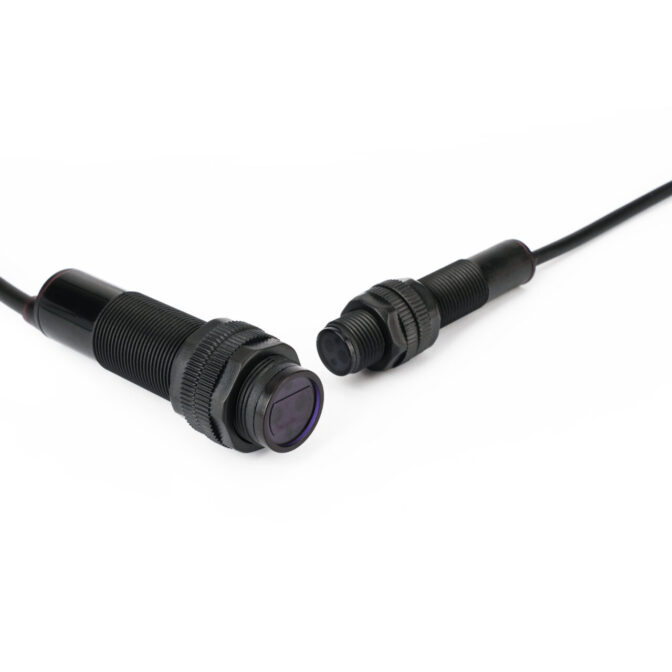
What Is a Photoelectric Switch?

Let’s start simple. A photoelectric switch — also called a photoelectric sensor — is a device that detects objects using light. It’s like giving your machine a pair of eyes.

The sensor emits a light beam (usually infrared), and when something breaks or reflects that beam, the sensor reacts — switching its output on or off. This action can start or stop equipment, count items, or even trigger alarms.

These sensors are everywhere — in factories, lifts, car parks, and even automatic taps.

How to Test a Photoelectric SwitchWhy Testing Photoelectric Sensors Matters

Now, here’s the thing. Photoelectric switches are reliable — until they aren’t. Dirt builds up, alignment shifts, cables wear out. When that happens, your system might miss objects, count incorrectly, or fail altogether.

Testing helps you:

  • Catch faults early
  • Avoid production downtime
  • Confirm sensor compatibility
  • Maintain safety in automated systems

And let’s be honest — when a sensor fails mid-shift, you don’t want to be guessing.

Step-by-Step Testing Methods for a Photoelectric Switch

Right — time to roll up our sleeves. Here’s the full rundown on how to understand, diagnose, and test your sensor confidently.

Understanding Your Photoelectric Switch

Before testing, we need to understand what kind of sensor you’re dealing with. Not all photoelectric switches behave the same — and knowing the type makes testing way easier.

Types of Photoelectric Sensors

There are three main types:

  • Through-beam sensors: Emitter and receiver are separate. Object breaks the beam = detection.
  • Retroreflective sensors: Emitter and receiver are in one unit, and a reflector bounces the beam back.
  • Diffuse sensors: Light bounces off the object itself and returns to the sensor.

If you’re working with something like a 12 volt DC photoelectric switch, it might fall into any of these categories — the voltage just tells you the power it needs.

Output Signal Types (PNP/NPN)

This part trips a lot of folks up. PNP and NPN refer to how the sensor’s output behaves:

PNP (sourcing): Output goes high (+V) when active.

NPN (sinking): Output goes low (0V) when active.

Knowing this helps you test with a multimeter — we’ll get to that in a bit.

Working Principle

A photoelectric proximity sensor works by turning light into an electrical signal — but let’s break that down.

It has three main components:
Emitter – Sends out a beam of light, usually infrared.
Receiver – Detects whether the light beam is received or interrupted.
Control Circuit – Processes the signal from the receiver and switches the output ON or OFF based on detection.

The exact working method depends on the sensor type:
Through-beam: The emitter and receiver are separate. If an object breaks the beam, the output changes.
Retroreflective: Emitter and receiver are in one unit, and a reflector bounces the light back.
Diffuse reflective: The object itself reflects the light back to the sensor.

In simple terms, if the receiver sees the beam, it reacts one way. If it doesn’t, it reacts another. That’s how the sensor “knows” something’s there — and triggers your system accordingly.

Common Faults of Photoelectric Switch

Let’s troubleshoot before testing. These are the most common issues I’ve seen:

Dirt or dust on the lens (super common in food and packaging)

Misalignment between emitter and receiver

Loose wiring or connector damage (watch out for those M12 plug pins!)

Power supply problems, especially if the wrong voltage is supplied

False triggering caused by background reflections

Want to prevent most of these? Wipe the sensor down regularly and always check alignment.

Required Tools

Here’s what you’ll need to test like a pro:

Digital multimeter (set to DC voltage)

Power supply (e.g., 12V DC for most models)

Test object or reflector

Clean cloth (trust me — clean the lens!)

Optional: A PLC or indicator module if testing in a control panel setup

Step-by-Step Guide to Test a Photoelectric Switch

Let’s dive into the hands-on part. Here’s how to test a photoelectric switch step by step:

Power Off and Inspect

Look for visible damage.

Clean the sensor lens.

Connect the Sensor to Power

Use a 12V or 24V DC supply as required.

Double-check polarity on wiring — red is usually +V, blue is 0V.

Connect Multimeter

Set your multimeter to DC voltage.

Connect black probe to ground, red probe to the sensor output.

Test Without Object

With no object present, record the output voltage.

You should see either high (for PNP) or low (for NPN).

Introduce the Target

Block the beam (or present an object for diffuse sensors).

Watch for the voltage to switch.

Check Repeatability

Repeat with different distances or materials.

Confirm consistent switching.

Using a Sick photoelectric sensor? Many of them have an LED indicator that helps with alignment and detection — make use of it!

Final Thoughts on Testing Photoelectric Switches

So there you have it — a complete guide on how to test a photoelectric switch without stress or second-guessing.

With the right tools, a little background knowledge, and a calm step-by-step approach, you can diagnose issues, confirm performance, and keep your systems running like clockwork. Whether you’re working with a Sick photoelectric sensor, an infrared photoelectric switch sensor, or a compact M12 photoelectric sensor, testing doesn’t need to be complicated.

And if you’re ever unsure, revisit this guide. Bookmark it. Share it with a colleague. Because a working sensor is a happy sensor — and a happy sensor keeps your world moving.

All About Momentary Push Button Switches

1. Introduction

Momentary push button switches are vital in modern electronics, delivering instant control across diverse applications. They’re commonly used in industrial control panels, vehicle dashboards, and consumer devices, providing temporary circuit activation.

Unlike toggle switches that stay in position after activation, momentary switches reset to their default state when released.

This guide explores everything you need to know about push button momentary switches. We’ll examine their working principles, various types, distinct advantages, wide-ranging applications, and essential selection criteria to help you choose the optimal solution for your specific requirements.

2. What Is A Momentary Push Button Switch?​

They are activated solely during pressing and revert instantly to their default state upon release. They’re essential for creating temporary electrical circuit connections in applications like doorbells, machine controls, and emergency stop functions.

Available in normally open (NO), normally closed (NC), and double-throw (DT) configurations, each type is designed for specific circuit control requirements.

Green Led Momentary Push Button Switch Details3. How Does A Momentary Push Button Switch Work​?

Momentary push button switches rely on a spring-loaded mechanism to control electrical circuit connections. Pressing the button creates a temporary connection or interruption.

Normally Open (NO): The circuit connects only when the button is pressed.
Normally Closed (NC): The circuit stays closed until the button opens it.
Double Throw (DT): Enables switching between two separate circuits.

This design ensures precise, temporary activation, making these switches ideal for diverse control applications.

4. Types of Momentary Push Button Switches

Momentary push button switches come in different types, each suited for specific applications:

4.1 Normally Open (NO) Switches

Default state: Open (no current flows).

The circuit completes only when the button is pressed.

Common in household electronics like doorbells, gaming controllers, and industrial motor starters.

4.2 Normally Closed (NC) Switches

Default state: Closed (current flows).

Pressing the button opens the circuit, stopping the current.

Used in safety and emergency stop applications.

4.3 Double Throw (DT) Switches

Also known as SPDT (Single Pole Double Throw) switches, these can connect to two different circuits and toggle between them when pressed, making them suitable for systems requiring dual-function switching.

4.4 Waterproof Momentary Push Button Switches

Designed with IP65 or higher waterproof ratings, these switches are suitable for outdoor environments, marine applications, and industrial settings, ensuring durability in wet or humid conditions.

4.5 LED Push Button Momentary Switches

Integrated with LED indicators for visual feedback, these switches are used in control panels, dashboards, and alarm systems. They come in multiple colors: Red, Green, Yellow, Blue, and White.

4.6 Soft Touch Momentary Push Button Switch

Requires minimal force to activate.

Often found in touch-sensitive electronic devices.

Provides a seamless and ergonomic experience.

5. Advantages of Momentary Push Button Switches

5.1 Versatile

Applicable across residential, industrial, automotive, and medical fields.

5.2 Space-Saving Design

Compact size enables easy integration into control panels.

5.3 Cost-Effective

Economical alternative to complex switching systems.

5.4 Theft Prevention

Ideal for security systems, access controls, and anti-theft alarms.

5.5 Resilient Against High Voltage

Engineered to safely manage 240V and other high-voltage applications.

5.6 Easy Installation and Maintenance

Simple wiring allows for quick setup and long-lasting performance.

6. Common Applications of Momentary Push Button Switches

Momentary push button switches are widely used across various industries due to their temporary activation mechanism, reliability, and efficiency. Unlike latching switches, these switches only remain active while pressed, making them ideal for applications that require quick, controlled operations without the need for continuous power. Let’s explore the key industries and real-world applications where they play a vital role.

6.1 Consumer Electronics & Home Appliances

Momentary push button switches enable seamless operation and control in everyday electronics.

Remote Controls: Used in television remotes, gaming controllers, and other handheld devices to trigger functions like volume adjustment, power on/off, and input selection.

Smart Home Devices: Found in modern touch-sensitive lighting systems, security alarm panels, and automation controls.

Kitchen Appliances: Integrated into blenders, coffee machines, and microwaves for temporary power activation.

Doorbells & Intercoms: Essential for triggering chimes and communication systems when pressed.

6.2 Automotive & Transportation Systems

Momentary push button switches are critical for vehicle control systems, where temporary activation is necessary for safety and operational convenience.

Car Horns: Ensures that sound is produced only while the button is pressed, preventing accidental prolonged honking.

Power Windows: Allows users to control window movement by pressing and holding the switch.

Engine Start-Stop Systems: Found in modern keyless ignition systems, where a button press activates the engine.

Dashboard Controls: Used for adjusting headlights, hazard lights, windshield wipers, and radio settings.

6.3 Industrial Machinery & Automation

Momentary switches are indispensable in industrial automation and factory equipment, ensuring safe and efficient machine operation.

Machine Start & Stop Controls: Operators press buttons to temporarily engage or disengage machinery.

Conveyor Belt Systems: Used in assembly lines where items need to be moved intermittently.

Emergency Stop Buttons (E-Stop): Designed to immediately cut off power in hazardous situations.

Foot Pedal Controls: Hands-free operation in industrial and medical environments, such as sewing machines and dental chairs.

6.4 Medical & Healthcare Equipment

In the medical field, precision and immediate response are crucial, making momentary push button switches an essential component of various healthcare devices.

Patient Monitoring Systems: Used in hospital beds and diagnostic machines to trigger specific functions.

Surgical Equipment: Foot-operated momentary switches allow surgeons to control electrosurgical instruments without using their hands.

Dental Chairs & Treatment Units: Enables precise adjustment of chair positions and dental tools.

X-ray Machines & Imaging Systems: Allows operators to capture images by pressing and holding the button.

6.5 Security & Access Control

Security systems rely on momentary push button switches for temporary activation of alarms, locks, and other critical functions.

Alarm & Panic Buttons: Activated in emergency situations to notify security personnel.

Access Control Panels: Found in keyless entry systems and biometric scanners to grant or deny access.

Automatic Doors & Elevators: Users press buttons to open doors momentarily.

Fire Alarm Systems: Used in manual call points to trigger fire alarms.

6.6 Telecommunications & Communication Devices

They are essential in radio communication, broadcasting, and control panels, where instant response is required.

Push-to-Talk (PTT) Communication: Used in walkie-talkies, two-way radios, and headsets for instant communication.

Telephone Keypads: Each keypress triggers a signal for dialing.

Broadcasting Equipment: Found in TV/radio studio consoles for cueing audio and video signals.

Intercom Systems: Pressing a button temporarily opens a communication channel.

6.7 Military & Aerospace Applications

In high-stakes environments, momentary push button switches provide reliable and controlled activation for mission-critical systems.

Aircraft Cockpit Controls: Used for landing gear deployment, radio communication, and emergency functions.

Weapon Systems & Defense Equipment: Helps control fire commands, missile launchers, and vehicle-mounted weaponry.

Navigation & Radar Systems: Enables temporary activation of tracking and scanning devices.

Tactical Gear & Equipment: Found in night vision goggles, military communication devices, and drones.

7. How to Protect Your Momentary Push Button Switches

To ensure longevity and reliable performance:

Choose waterproof models (IP65+) for outdoor or humid environments.

Avoid overloading by selecting the correct voltage and current rating.

Perform regular maintenance – Check wiring connections and clean contacts.

Use protective covers for industrial applications.

8. Momentary vs. Alternate Push Button Switches

Feature Momentary Push Button Switch Alternate Push Button Switch
Circuit Behavior Works only while pressed Stays in the new position until pressed again
Spring Mechanism Yes, returns to default state No, stays in the last state
Typical Applications Doorbells, car horns, control panels Power switches, light switches
Energy Efficiency Consumes power only when pressed May consume power in both states
Contact Mechanism Spring-loaded Mechanical latch or locking system
Response Time Instantaneous activation & deactivation Requires deliberate press to change states

9. How to Choose the Best Momentary Push Button Switch?

Before purchasing, consider:

Voltage Rating – 12V, 24V, 240V, 380V (based on your application).

Current Rating – Choose a switch that can handle your system’s electrical load.

Environmental Conditions – Use waterproof IP65 models for harsh environments.

Switch Type – NO, NC, DT, LED, or soft-touch based on functionality needs.

Installation Requirements – Ensure compatibility with your panel size and wiring.

10. Where to Buy Momentary Push Button Switches

When purchasing they, it’s important to choose trusted suppliers that offer certified and durable products suited to your application.

Best Places to Buy:

Online Marketplaces – Amazon, Alibaba, and eBay offer a variety of options, but always check product specifications and certifications.

Electronics Distributors – Ideal for industrial-grade switches with better quality assurance and technical support.

Direct Manufacturers – Best for bulk orders and custom specifications at competitive prices.

For those looking for reliable momentary push button switches, Kenaida Electric offers a range of high-quality solutions tailored for various industries.

Final Thoughts

Momentary push button switches are essential in applications ranging from industrial automation to consumer electronics. Their versatility, user-friendly design, and robust construction make them a cornerstone of modern technology.

Understanding their types, benefits, and selection criteria helps you choose the ideal momentary switch for your specific needs—whether for high-voltage industrial environments, waterproof settings, or LED-illuminated designs.

If you have any questions about Momentary Push Button Switches, please contact our team of experts!