All posts by kndele_admin

How to Choose the Right Signal Indicator Light for Your Project

Introduction

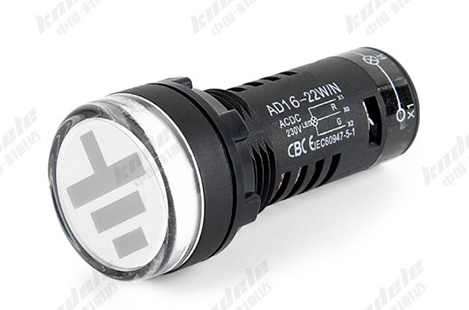
Selecting the right signal indicator light is essential for ensuring clear communication, operational safety, and long-term reliability in any electrical or industrial system. With a wide variety of options available—ranging from different voltages and colors to mounting styles and protection levels—making the right choice requires careful consideration of your specific application needs.

Determine the Application Requirements

Start by identifying where and how the indicator light will be used. Different environments and systems have different demands:

Control panels require compact, panel-mounted lights

Industrial machinery may need high-brightness or rugged designs

Outdoor installations demand weather-resistant units

Hazardous areas require explosion-proof or specially certified lights

Understanding the application ensures you select a product that performs reliably under actual working conditions.

Choose the Appropriate Voltage Rating

Signal indicator lights are available in various voltage ratings, such as:

12V / 24V (low-voltage control systems)

110V / 220V (standard industrial or commercial systems)

Always match the indicator light’s rated voltage with your system’s power supply to avoid malfunction or damage.

Select the Right Color Coding

Color plays a critical role in communication. Following standard color conventions helps operators quickly understand system status:

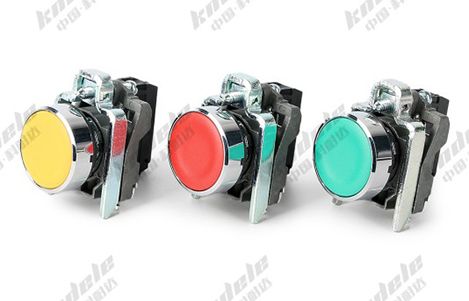
Green: Normal operation / Power ON

Red: Fault / Emergency / Stop

Yellow (Amber): Warning / Standby

Blue: Special function or user-defined status

White: General indication or neutral status

Consistent color usage improves safety and reduces the risk of misinterpretation.

Consider LED vs Traditional Light Sources

Modern systems typically favor LED indicator lights due to their advantages:

Long lifespan (often 50,000+ hours)

Low energy consumption

High brightness and visibility

Minimal heat generation

Traditional incandescent lights may still be used in some legacy systems, but LEDs are generally the better choice for most applications.

Evaluate Brightness and Visibility

The visibility of the indicator light is crucial, especially in industrial environments:

Use high-intensity LEDs for bright or outdoor settings

Ensure visibility from required distances and angles

Consider diffused lenses to reduce glare

Proper brightness ensures that signals are clearly seen under all conditions.

Check IP Rating and Environmental Protection

If your project involves harsh environments, pay attention to the IP (Ingress Protection) rating:

IP65 or higher: Suitable for dust and water resistance

IP67/IP68: For more extreme or outdoor conditions

Also consider resistance to vibration, temperature fluctuations, and chemicals when necessary.

Select the Right Mounting Type and Size

Indicator lights come in various mounting styles:

Panel-mounted (most common for control panels)

Surface-mounted (for external installations)

Flush-mounted (for a clean, integrated look)

Ensure the size (e.g., 8mm, 12mm, 16mm, 22mm) matches your panel design and space constraints.

Consider Additional Features

Depending on your project, you may need advanced features such as:

Multi-color (RGB) indicator lights

Flashing or blinking modes for alarms

Built-in resistors or transformers

Custom symbols or labels on lenses

These features can enhance functionality and adaptability.

Ensure Compliance with Standards

For industrial and commercial applications, it’s important to select products that meet relevant standards, such as:

IEC (International Electrotechnical Commission)

UL Underwriters Laboratories)

CE certification

Compliance ensures safety, quality, and compatibility with global systems.

Balance Cost and Quality

While cost is always a consideration, choosing the cheapest option may lead to higher maintenance or replacement costs. Investing in high-quality signal indicator lights ensures:

Better reliability

Longer lifespan

Reduced downtime

A balanced approach between cost and performance is key to long-term success.

Conclusion

Choosing the right signal indicator light involves more than just picking a color or size. It requires a thorough understanding of your system’s requirements, environmental conditions, and safety standards. By considering factors such as voltage, visibility, durability, and compliance, you can ensure optimal performance and reliability for your project.

A well-selected indicator light not only improves system efficiency but also enhances safety and user experience—making it a small component with a big impact.

FAQ

Q1: What is the most common type of signal indicator light?
A: LED panel-mounted indicator lights are the most commonly used due to their efficiency and durability.

Q2: How do I choose the correct size?
A: Select a size that fits your panel cutout and ensures clear visibility, typically ranging from 8mm to 22mm.

Q3: Are multi-color indicator lights useful?
A: Yes, they allow multiple statuses to be displayed using a single device, saving space and improving flexibility.

Q4: What IP rating should I choose?
A: For indoor use, IP54–IP65 is usually sufficient; for outdoor or harsh environments, IP67 or higher is recommended.

Q5: Can I use one indicator light for different voltages?
A: No, indicator lights must match the system voltage unless they are specifically designed for a wide voltage range.
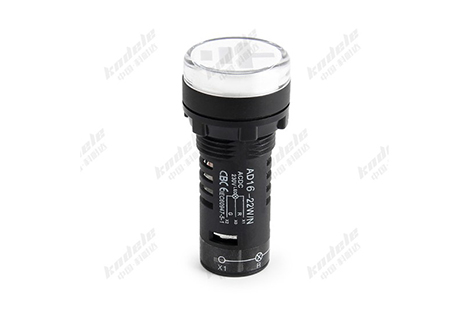
Signal Indicator Lights in Power Distribution Systems: Key Uses

Introduction

In power distribution systems, maintaining stability, safety, and operational visibility is critical. From substations to low-voltage distribution panels, operators must continuously monitor electrical conditions to ensure reliable performance. Signal indicator lights serve as essential visual tools in these systems, offering real-time insights into electrical status and enabling quick decision-making.

What Are Signal Indicator Lights in Power Systems?

Signal indicator lights are visual devices installed in electrical panels, switchgear, and distribution boards. They indicate the presence of voltage, system status, and fault conditions through color-coded illumination. These lights are typically designed to operate across a wide range of voltages and environments, making them ideal for power distribution applications.

Key Uses of Signal Indicator Lights in Power Distribution

Power Status Indication

One of the most fundamental uses of signal indicator lights is to show whether power is present in a system. For example:

Green light: Power ON or normal operation

Red light: Power OFF, fault, or trip condition

Yellow/Amber light: Standby or transitional state

This allows technicians and operators to instantly understand system conditions without using measurement tools.

Phase Presence Monitoring

In three-phase power systems, indicator lights are often used to display the presence of each phase (L1, L2, L3). If one phase fails, the corresponding light goes off, helping operators quickly identify phase loss or imbalance—issues that can damage equipment if left unaddressed.

Fault and Alarm Indication

Signal indicator lights are integrated with protection devices such as circuit breakers and relays. When faults like overloads, short circuits, or ground faults occur, the lights activate to alert operators. This immediate feedback supports faster troubleshooting and minimizes system downtime.

Switchgear and Circuit Breaker Status

Indicator lights are commonly used to show whether circuit breakers or disconnect switches are open or closed. This is especially important in high-voltage or restricted areas where direct inspection may not be safe.

Enhancing Operational Safety

In power distribution environments, safety is paramount. Indicator lights help prevent accidental contact with live circuits by clearly showing whether equipment is energized. This visual confirmation is crucial during maintenance and servicing.

Supporting Maintenance and Diagnostics

During inspection and repair, technicians rely on indicator lights to quickly locate faults and verify system status. This reduces the need for extensive manual testing and improves maintenance efficiency.

Integration with Automation Systems

Modern power distribution systems often incorporate automation and monitoring technologies. Signal indicator lights can be linked with PLCs (Programmable Logic Controllers) and SCADA systems to provide synchronized visual and digital feedback, enhancing system control and visibility.

Typical Applications in Power Distribution

Signal indicator lights are widely used in:

Low-voltage distribution panels

Medium and high-voltage switchgear

Substations and transformer units

Motor control centers (MCCs)

Renewable energy systems (solar and wind power)

Their versatility makes them indispensable across various power infrastructure setups.

Advantages in Power Distribution Systems

Real-Time Monitoring: Immediate visual feedback on system conditions

Improved Safety: Clear indication of energized equipment

Quick Fault Detection: Faster response to electrical issues

Energy Efficiency: Especially with LED-based designs

Long Service Life: Reliable operation with minimal maintenance

Selection Considerations for Power Applications

When choosing signal indicator lights for power distribution systems, consider:

Rated Voltage: Ensure compatibility with system voltage levels

Color Coding Standards: Follow IEC or local electrical standards

Brightness and Visibility: Suitable for indoor or outdoor use

IP Rating: Protection against dust, moisture, and harsh environments

Mounting Type: Panel-mounted or surface-mounted options

Proper selection ensures both safety and long-term performance.

Future Trends in Power Distribution Signaling

As power systems evolve with smart grids and digitalization, signal indicator lights are becoming more advanced. Emerging trends include:

Smart LED indicators with programmable functions

Remote monitoring integration via IoT platforms

Enrgy-efficient and eco-friendly designs

Compact, multi-functional indicator units

These innovations are helping utilities and industries achieve more intelligent and responsive power management.

Conclusion

Signal indicator lights are a vital component in power distribution systems, providing clear and reliable visual communication of electrical conditions. From indicating power presence to alerting faults and improving safety, their role cannot be overstated. As technology advances, these simple yet powerful devices will continue to support safer, smarter, and more efficient power distribution networks.

FAQ

Q1: Why are signal indicator lights used in power distribution systems?
A: They provide real-time visual indication of power status, faults, and system conditions, improving safety and efficiency.

Q2: How do indicator lights help in three-phase systems?
A: They show the presence of each phase, making it easy to detect phase loss or imbalance.

Q3: Are LED indicator lights better for power systems?
A: Yes, they offer longer lifespan, lower energy consumption, and higher brightness.

Q4: Can indicator lights be used in high-voltage systems?
A: Yes, but they must be properly rated and designed for high-voltage applications.

Q5: What standards apply to indicator light colors?
A: IEC and local electrical standards typically define color codes for different system states.

How Signal Indicator Lights Improve Safety in Industrial Environments

Introduction

In industrial environments where heavy machinery, high voltage systems, and complex processes are involved, maintaining safety is a constant challenge. Even minor miscommunication or delayed responses can lead to serious accidents, equipment damage, or costly downtime. This is where signal indicator lights play a vital role. By providing clear, real-time visual alerts, these simple devices significantly enhance workplace safety and operational awareness.

The Importance of Visual Communication in Industry

Factories and industrial facilities are often noisy, fast-paced, and filled with multiple simultaneous operations. In such conditions, relying solely on verbal communication or alarms is not enough. Signal indicator lights offer instant visual cues that can be recognized from a distance, ensuring that critical information is communicated effectively, even in challenging environments.

Key Ways Signal Indicator Lights Enhance Safety

Immediate Hazard Identification

Signal indicator lights help workers quickly identify dangerous situations. For example:

A red light may indicate an emergency stop or system failure

A flashing light can warn of moving machinery or active processes

A yellow light may signal caution or transitional states

These clear signals allow workers to react immediately, reducing the risk of accidents.

Preventing Unauthorized or Unsafe Operation

Indicator lights clearly show whether a machine is running, idle, or under maintenance. This prevents operators or maintenance personnel from accidentally engaging with equipment that is still active or unsafe to handle.

Supporting Lockout/Tagout (LOTO) Procedures

During maintenance or repair work, safety protocols like Lockout/Tagout are essential. Signal indicator lights provide an additional layer of confirmation by visually indicating whether power is disconnected or circuits are still energized, helping prevent accidental startups.

Reducing Human Error

Human error is one of the leading causes of industrial accidents. By offering simple, color-coded signals, indicator lights minimize the need for interpretation and reduce the likelihood of mistakes. Operators can make quick, informed decisions without relying on complex system data.

Enhancing Emergency Response

In emergency situations, every second counts. Flashing or high-intensity indicator lights can quickly draw attention to critical issues such as system failures, fires, or hazardous conditions. This ensures faster evacuation, shutdown, or corrective action.

Improving Visibility in Harsh Environments

Industrial settings may involve dust, vibration, high temperatures, or low lighting. Modern LED signal indicator lights are designed with high brightness and durability, ensuring visibility even in harsh or low-visibility conditions.

Common Applications in Industrial Safety

Signal indicator lights are widely used across various industrial scenarios, including:

Control Panels: Display system status and fault conditions

Production Lines: Indicate machine operation stages

Power Distribution Systems: Show voltage presence and system health

Automation Equipment: Communicate process status in real time

Hazardous Areas: Provide visual warnings in explosive or high-risk zones

Advantages of LED Signal Indicator Lights in Safety Applications

High Brightness for better visibility

Long Lifespan reduces maintenance needs

Low Energy Consumption improves efficiency

Fast Response Time ensures instant signaling

Durability in extreme industrial conditions

These features make LED-based indicator lights the preferred choice for modern industrial safety systems.

Best Practices for Using Signal Indicator Lights

To maximize safety benefits, consider the following practices:

Follow Standard Color Codes to avoid confusion

Ensure Proper Placement for maximum visibility

Use High-Quality Components for reliability

Regularly Inspect and Maintain indicator lights

Intgrate with Control Systems for automated alerts

Future Developments in Safety Signaling

As industries move toward smarter and more connected systems, signal indicator lights are evolving as well. Innovations include:

Smart indicator lights with programmable colors and flashing patterns

Integration with IoT platforms for remote monitoring

Energy-efficient designs supporting sustainable operations

These advancements will further strengthen the role of indicator lights in industrial safety management.

Conclusion

Signal indicator lights are a fundamental component of industrial safety systems. By providing clear, immediate visual communication, they help prevent accidents, reduce human error, and ensure rapid response to hazardous situations. In environments where safety cannot be compromised, these small yet powerful devices make a significant difference.

FAQ

Q1: Why are signal indicator lights important for safety?
A: They provide instant visual alerts about system status and hazards, helping workers respond quickly and avoid accidents.

Q2: What color is typically used for danger signals?
A: Red is commonly used to indicate danger, faults, or emergency conditions.

Q3: Can indicator lights replace alarms?
A: No, they are best used alongside audible alarms to provide both visual and auditory warnings.

Q4: Are LED indicator lights suitable for harsh environments?
A: Yes, they are durable, energy-efficient, and highly visible, making them ideal for industrial use.

Q5: How often should indicator lights be checked?
A: Regular inspections should be part of routine maintenance to ensure proper functioning and reliability.

The Role of Signal Indicator Lights in Electrical Control Systems

Introduction

In modern electrical control systems, clear and immediate communication between machines and operators is essential for ensuring safety, efficiency, and reliability. One of the simplest yet most effective components used to achieve this is the signal indicator light. Though small in size, these devices play a critical role in conveying system status, alerting operators to faults, and supporting smooth operational workflows.

What Are Signal Indicator Lights?

Signal indicator lights are visual signaling devices installed in electrical panels, machinery, and control systems. They use illumination—typically through LED or incandescent sources—to indicate the operating status of a system or component. By using different colors and lighting patterns, these lights provide intuitive, real-time feedback to operators.

Core Functions in Electrical Control Systems

Status Indication

One of the primary roles of signal indicator lights is to display the current operating condition of equipment. For example:

Green often indicates normal operation or power ON

Red signals faults, alarms, or emergency conditions

Yellow/Amber shows warnings or standby modes

This immediate visual feedback allows operators to assess system status at a glance without needing complex diagnostics.

Fault Detection and Alerts

Signal indicator lights are essential for highlighting abnormal conditions such as overloads, short circuits, or equipment failures. When integrated with sensors and control circuits, they illuminate instantly when an issue occurs, enabling faster troubleshooting and minimizing downtime.

Enhancing Operational Safety

In industrial environments, safety is a top priority. Indicator lights help prevent accidents by clearly showing whether a machine is active, idle, or in a hazardous state. For example, a red flashing light can warn personnel to stay clear of operating machinery, reducing the risk of injury.

Simplifying Human-Machine Interaction

Control panels can be complex, especially in large-scale systems. Signal indicator lights simplify interaction by providing an easy-to-understand interface. Operators do not need to interpret complicated data—they can rely on visual cues to make quick decisions.

Supporting Maintenance and Diagnostics

During maintenance, technicians rely on indicator lights to identify which parts of a system are active or faulty. This reduces the time required for inspection and helps isolate problems more efficiently.

Types of Signal Indicator Lights Used in Control Systems

LED Indicator Lights: Energy-efficient, long-lasting, and widely used in modern systems

Panel-Mounted Indicator Lights: Installed directly on control panels for easy visibility

Multi-Color Indicator Lights: Capable of displaying different statuses using a single unit

Flashing Indicator Lights: Used for critical alerts and emergency signals

Each type is selected based on application requirements such as voltage, environment, and visibility needs.

Advantages of Using Signal Indicator Lights

Improved Efficiency: Quick status recognition reduces response time

Enhanced Safety: Clear warnings help prevent accidents

Low Energy Consumption: Especially with LED technology

Long Service Life: Minimal maintenance required

Cost-Effective: Simple design with high functional value

Key Considerations When Selecting Indicator Lights

When choosing signal indicator lights for electrical control systems, consider the following factors:

Voltage Compatibility (e.g., 12V, 24V, 110V, 220V)

Color Standards based on industry norms

IP Rating for dust and water resistance

Mounting Type and Size

Operating Environment (temperature, vibration, humidity)

Selecting the right specification ensures reliable performance and long-term durability.

Future Trends in Signal Indicator Lights

With the advancement of smart manufacturing and Industry 4.0, signal indicator lights are becoming more intelligent and integrated. Modern designs now include:

Smart LED indicators with programmable colors and patterns

Integration with IoT systems for remote monitoring

Enrgy-efficient designs for sustainable operations

These innovations are transforming traditional indicator lights into more versatile and data-driven components.

Conclusion

Signal indicator lights are indispensable elements in electrical control systems. They provide clear, real-time visual communication that enhances safety, improves efficiency, and simplifies system management. As technology continues to evolve, these small yet powerful devices will remain a cornerstone of effective industrial control and automation.

FAQ

Q1: Why are LED signal indicator lights preferred?
A: LED lights offer longer lifespan, lower energy consumption, and better brightness compared to traditional incandescent lights.

Q2: What do different indicator light colors mean?
A: Typically, green indicates normal operation, red signals faults, and yellow represents warnings, though standards may vary by industry.

Q3: Can signal indicator lights be used outdoors?
A: Yes, but they should have appropriate IP ratings (e.g., IP65 or higher) to withstand environmental conditions.

Q4: How long do signal indicator lights last?
A: LED indicator lights can last up to 50,000 hours or more, depending on usage and quality.

Q5: Are signal indicator lights customizable?
A: Yes, many modern indicator lights support different colors, voltages, and mounting options to suit specific applications.

What Is a Flat Style Push Button Momentary Switch and How Does It Work?

Introduction

In modern electronics and industrial control systems, user interface components are evolving toward more compact, efficient, and aesthetically clean designs. One such component is the flat style push button momentary switch, a low-profile solution that combines functionality with modern design.

What Is a Flat Style Push Button Momentary Switch?

A flat style push button momentary switch is a type of switch designed with a low-profile (flush or nearly flush) actuator. Unlike traditional raised buttons, the flat surface sits level with or slightly above the panel, offering a sleek and minimalist appearance.

As a momentary switch, it only remains active while being pressed. Once the user releases the button, it automatically returns to its original state.

Key characteristics include:

Flat or flush actuator design

Momentary operation (spring return mechanism)

Compact and space-saving structure

Clean and modern appearance

How Does It Work?

The working principle of a flat style push button momentary switch is based on a simple mechanical and electrical process.

Default State (Open or Closed)

Most flat push button switches are available in:

Normally Open (NO): Circuit is open until pressed

Normally Closed (NC): Circuit is closed until pressed

Actuation (Button Press)

When the button is pressed:

The actuator moves downward

Internal contacts either close (NO) or open (NC)

Electrical current flows (or stops) depending on the configuration

This action is typically supported by a spring mechanism inside the switch.

Release (Return to Original State)

Once the button is released:

The internal spring pushes the actuator back

Contacts return to their default position

The circuit returns to its original state

This is why it is called a momentary switch—it only changes state temporarily.

Key Components of the Switch

A flat style push button momentary switch consists of several essential parts:

Actuator (Button): The flat surface pressed by the user

Spring Mechanism: Returns the button to its original position

Contacts: Conduct or interrupt electrical current

Housing: Protects internal components

Terminals: Connect the switch to the circuit

Each component plays a role in ensuring reliable and consistent operation.

Advantages of Flat Style Design

Space-Saving and Compact

The low-profile design makes these switches ideal for applications where space is limited, such as compact control panels or handheld devices.

Modern Aesthetic

Flat switches provide a clean, minimalist look, making them popular in consumer electronics and modern industrial equipment.

Reduced Accidental Activation

Because the button does not protrude significantly, it is less likely to be pressed unintentionally.

Easy Cleaning and Maintenance

The flat surface is easier to clean, especially in environments where hygiene or dust control is important.

Common Applications

Flat style push button momentary switches are widely used in:

Industrial control panels

Consumer electronics (home appliances, smart devices)

Medical equipment

Automotive dashboards

Access control systems

Their combination of functionality and design flexibility makes them suitable for both industrial and commercial use.

Design Considerations

When selecting a flat style push button momentary switch, consider the following:

Electrical ratings: Voltage and current capacity

Mounting type: Panel mount or PCB mount

Material: Plastic or metal housing

IP rating: Protection against dust and water

Actuation force: Required pressure to press the button

Illumination: LED indicators for status feedback

Choosing the right specifications ensures optimal performance and longevity.

Flat vs Traditional Push Button Switches

Feature Flat Style Traditional Raised
Profile Low/flush Raised
Aesthetics Modern Conventional
Accidental Press Less likely More likely
Space Efficiency High Moderate
Tactile Feedback Moderate Strong

Both types have their advantages, but flat style switches are increasingly preferred in modern designs.

Conclusion

A flat style push button momentary switch is a compact, efficient, and visually appealing solution for modern electrical and electronic systems. Its simple working principle—temporary activation through a spring-return mechanism—makes it reliable and easy to integrate into a wide range of applications.

As industries continue to prioritize space efficiency, user experience, and sleek design, flat push button switches are becoming an essential component in next-generation products.

FAQ

Q1: What does “momentary” mean in a push button switch?
A: It means the switch only changes state while being pressed and returns to its original state when released.

Q2: Are flat push button switches durable?
A: Yes, especially when made with high-quality materials and designed for industrial use.

Q3: Can flat style switches be waterproof?
A: Yes, many models come with IP65, IP67, or higher ratings for dust and water resistance.

Q4: Where are flat push button switches most commonly used?
A: They are widely used in control panels, consumer electronics, medical devices, and automotive systems.

Innovations in Push Button Switch Design for Modern Industrial Applications

Introduction

As industrial systems become more advanced, the demand for smarter, safer, and more durable control components continues to grow. The push button switch, once a simple mechanical device, has evolved significantly to meet the needs of modern automation, smart manufacturing, and Industry 4.0 environments.

The Changing Role of Push Button Switches

Traditionally, push button switches were used for basic on/off control in machinery and equipment. Today, they serve as critical interfaces between human operators and complex systems.

Modern requirements include:

Enhanced safety and reliability

Real-time system feedback

Integration with digital control systems

Long-term durability in harsh environments

To meet these demands, manufacturers are introducing innovative features and advanced technologies into switch design.

Smart and Connected Push Button Switches

One of the most significant innovations is the integration of smart technology.

Key features include:

Compatibility with PLCs and industrial automation systems

Integration with IoT (Internet of Things) platforms

Real-time monitoring of switch status

Remote diagnostics and predictive maintenance

These smart switches allow operators and engineers to monitor performance, detect faults early, and optimize system efficiency.

Advanced Materials for Enhanced Durability

Material innovation plays a major role in improving switch lifespan and reliability.

Modern materials include:

High-grade stainless steel for corrosion resistance

Flame-retardant engineering plastics (e.g., PA66, PC)

UV-resistant and chemical-resistant coatings

These materials enable switches to perform reliably in extreme environments such as:

Oil and gas facilities

Marine applications

Heavy industrial plants

Improved Sealing and High IP Ratings

Environmental protection has seen major improvements in recent designs.

Innovations include:

Multi-layer sealing systems

Precision-molded gaskets and O-rings

Fully enclosed internal contact structures

Many modern push button switches now achieve:

IP67 or IP68 ratings, ensuring protection against dust and water immersion

This makes them ideal for outdoor and high-moisture environments.

Ergonomic and User-Centered Design

User experience is becoming increasingly important in industrial environments.

Design improvements include:

Larger and more responsive actuators

Tactile feedback for better operation control

Color-coded buttons for intuitive use

Mushroom head designs for emergency stops

These enhancements reduce operator fatigue, improve accuracy, and enhance workplace safety.

Illuminated and Multi-Color LED Indicators

Visual feedback is critical in modern control systems.

Innovative features:

Built-in LED illumination

Multi-color status indication (e.g., green for normal, red for fault)

Energy-efficient lighting with long lifespan

Illuminated push buttons help operators quickly understand system status, especially in low-light or high-noise environments.

Modular and Customizable Designs

Flexibility is another key trend in push button switch innovation.

Modular systems allow:

Easy replacement of components

Customization of actuator type, color, and labeling

Selection of different contact configurations (NO/NC combinations)

This adaptability is especially valuable for OEM manufacturers and large-scale industrial projects.

Enhanced Electrical Performance

Modern push button switches are designed to handle more demanding electrical conditions.

Advancements include:

Improved contact materials (e.g., silver alloys) for better conductivity

Reduced contact resistance

Higher current and voltage ratings

Better arc suppression technologies

These improvements ensure stable and reliable performance in high-load applications.

Integration with Safety Systems

Safety remains a top priority in industrial environments.

Innovations supporting safety:

Compliance with international standards (CE, UL, RoHS)

Integration with safety relays and emergency stop systems

Anti-misoperation features (protective covers, locking mechanisms)

These features help prevent accidents and ensure compliance with safety regulations.

Miniaturization and Space Optimization

As control panels become more compact, switch designs are also evolving.

Key trends:

Smaller form factors without compromising performance

High-density panel layouts

PCB-mounted push button switches for compact electronics

Miniaturization allows designers to optimize space while maintaining functionality.

Sustainability and Energy Efficiency

Sustainability is becoming an important consideration in industrial design.

Eco-friendly innovations include:

Use of recyclable materials

Energy-efficient LED indicators

Longer product lifespans to reduce waste

These improvements support environmentally responsible manufacturing practices.

Applications in Modern Industry

Innovative push button switches are widely used in:

Industrial automation systems

Smart manufacturing (Industry 4.0)

Control panels and switchgear

Transportation systems

Renewable energy installations

Their enhanced functionality and reliability make them indispensable in modern industrial infrastructure.

Conclusion

The evolution of push button switch design reflects the broader transformation of industrial technology. From smart connectivity and advanced materials to ergonomic design and enhanced safety features, modern push button switches are far more than simple control devices.

By adopting these innovations, industries can achieve greater efficiency, improved safety, and long-term reliability in their operations.

FAQ

Q1: What is a smart push button switch?
A: It is a switch integrated with digital systems, allowing monitoring, diagnostics, and communication with automation platforms.

Q2: Why are LED push buttons popular in industrial applications?
A: They provide clear visual feedback, improve usability, and enhance safety.

Q3: How do modern switches improve safety?
A: Through better materials, protective designs, compliance with standards, and integration with safety systems.

Q4: Are customizable push button switches worth it?
A: Yes, they allow better alignment with specific application needs, improving efficiency and user experience.