All posts by kndele_admin

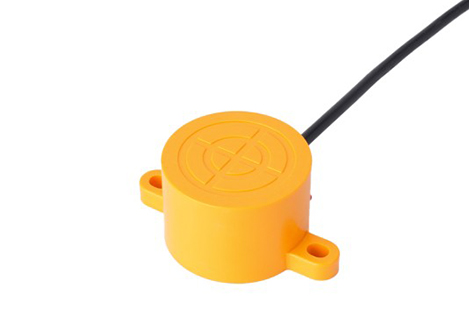
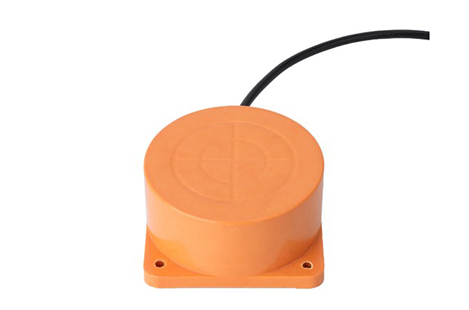
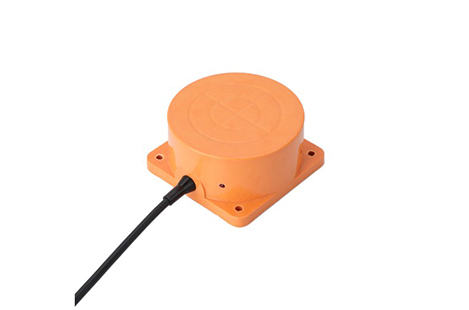
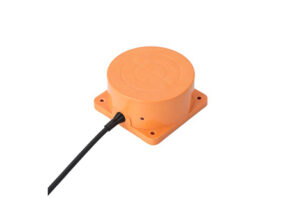
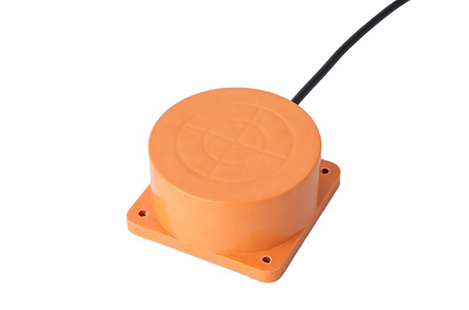
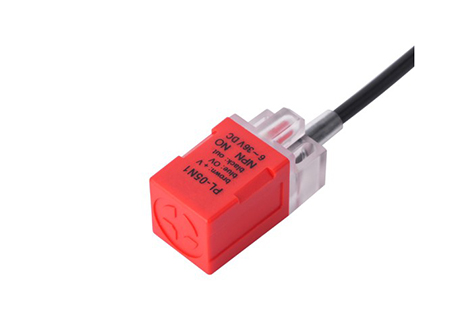
Understanding the Working Principle of Angle Post Mounted Proximity Sensors

Introduction

In modern industrial automation, accurate and reliable object detection is essential for ensuring efficiency, safety, and precision. Among the many sensing solutions available, angle post mounted proximity sensors offer a compact and flexible option—especially in installations where space is limited or detection must occur at a specific angle.

What Is an Angle Post Mounted Proximity Sensor?

An angle post mounted proximity sensor is a type of proximity switch designed with an angled housing (typically 90°), allowing it to detect objects from the side rather than straight ahead.

This design makes it ideal for:

Tight installation spaces

Side detection on conveyor systems

Machine parts with limited mounting options

Like standard proximity sensors, it detects objects without physical contact, reducing wear and improving durability.

Basic Working Principle of Proximity Sensors

Proximity sensors operate by detecting changes in a physical field (such as electromagnetic or electric fields) when an object enters their sensing range. When this happens, the sensor generates an electrical signal that can trigger a control system.

There are several types of proximity sensing technologies, but the most common for angle post designs include:

Inductive proximity sensors (for metal objects)

Capacitive proximity sensors (for both metal and non-metal materials)

Working Principle of Inductive Angle Post Sensors

How It Works

Inductive proximity sensors are the most widely used type in industrial environments.

Oscillator Generates Electromagnetic Field
The sensor produces a high-frequency electromagnetic field at its sensing face.

Metal Object Enters the Field
When a metal object approaches, it induces eddy currents in the object.

Field Energy Is Reduced
These eddy currents absorb energy from the sensor’s field, weakening it.

Detection Triggered
When the field drops below a threshold, the sensor switches its output signal.

Key Characteristics

High accuracy and repeatability

Resistant to dust, oil, and vibration

Ideal for detecting metallic objects

Working Principle of Capacitive Angle Post Sensors

How It Works

Capacitive sensors can detect a wider range of materials, including plastics, liquids, and powders.

Sensor Creates an Electrostatic Field
The sensing face forms a capacitor with the environment.

Object Changes Capacitance
When an object enters the field, the capacitance changes.

Signal Conversion
The sensor detects this change and converts it into an output signal.

Key Characteristics

Detects both conductive and non-conductive materials

Adjustable sensitivity

Suitable for level detection and packaging applications

Why the Angle Post Design Matters

The angled (L-shaped) housing is not just a structural feature—it directly impacts functionality.

Flexible Installation

Allows mounting in confined spaces where straight sensors cannot fit.

Side Detection Capability

Ideal for detecting objects moving horizontally across conveyors or machine parts.

Improved Alignment

Helps position the sensing face precisely toward the target object.

Key Components of an Angle Post Proximity Sensor

A typical sensor includes:

Sensing Face: Detects the presence of objects

Oscillator Circuit: Generates the sensing field

Signal Processing Unit: Converts detection into output signal

Output Stage: Sends signal to PLC or control system

Angled Housing: Provides mechanical support and directional sensing

Output Types and Signal Processing

Angle post proximity sensors typically provide:

PNP or NPN outputs

Normally open (NO) or normally closed (NC) configurations

Digital switching signals for automation systems

These outputs allow integration with PLCs, relays, and other industrial controllers.

Typical Applications

Angle post mounted proximity sensors are widely used in:

Conveyor systems for object detection

Packaging machinery for position sensing

Automated assembly lines

Robotics and material handling systems

Limited-space industrial installations

Their compact design makes them especially valuable in modern, space-optimized equipment.

Advantages of Angle Post Mounted Proximity Sensors

Compact and space-saving design

Non-contact detection (no wear and tear)

High reliability in harsh environments

Flexible mounting options

Fast response time

Limitations to Consider

Inductive types only detect metal objects

Limited sensing distance compared to some optical sensors

Capacitive sensors may require calibration in changing environments

Conclusion

Angle post mounted proximity sensors combine the reliability of proximity sensing technology with a smart mechanical design that allows detection in tight or complex spaces. By understanding their working principles—whether inductive or capacitive—engineers and technicians can select the right sensor for their specific application.

As industrial automation continues to evolve, these compact and versatile sensors will remain an essential component in improving efficiency, accuracy, and system performance.

FAQ

1. What is the main advantage of an angle post proximity sensor?

Its angled design allows installation and detection in tight or hard-to-reach spaces.

2. Can angle post sensors detect non-metal objects?

Yes, but only capacitive types can detect non-metal materials like plastic or liquids.

3. Are these sensors suitable for harsh environments?

Yes. Inductive types, in particular, perform well in dusty, oily, and vibrating conditions.

4. What is the typical sensing range?

It depends on the type and model, but usually ranges from a few millimeters to several centimeters.

5. How are these sensors connected to control systems?

They typically use PNP or NPN outputs and can be connected to PLCs or relays.
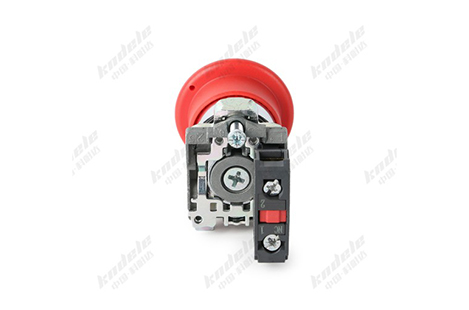
How to Choose the Right Push Button Round Switch for Your Project

Introduction

Selecting the right push button round switch is essential for ensuring the safety, reliability, and performance of your electrical system. Whether used in industrial control panels, consumer electronics, or automation equipment, the correct switch can significantly improve functionality and user experience. This guide outlines the key factors to consider when choosing the ideal push button round switch for your project.

Understand the Type of Operation

Push button round switches are generally available in two main operation types:

Momentary (Non-latching): The switch only remains active while being pressed. Once released, it returns to its original state. Ideal for applications like doorbells, control signals, or reset functions.

Latching (Maintained): The switch stays in its position after being pressed until it is pressed again. Commonly used for power on/off controls.

Choosing the correct operation type depends on how the switch is intended to function within your system.

Determine Electrical Ratings

Electrical specifications are critical when selecting a switch:

Voltage Rating: Ensure the switch can handle the system’s voltage (AC or DC).

Current Rating: Choose a switch that supports the required current load to avoid overheating or failure.

Power Capacity: For high-power applications, ensure the switch is rated accordingly.

Always select a switch with ratings equal to or higher than your system requirements to maintain safety and longevity.

Consider Mounting Size and Panel Cutout

Push button round switches come in various sizes, such as 12mm, 16mm, 19mm, 22mm, and 30mm panel cutouts.

Match the switch size with your panel design.

Ensure sufficient space for installation and wiring behind the panel.

Standard sizes (like 22mm) are widely used in industrial applications for compatibility.

Evaluate Environmental Protection

For harsh or outdoor environments, environmental protection is essential:

IP Rating (Ingress Protection): Look for ratings like IP65, IP67, or higher for dustproof and waterproof performance.

Material Quality: Stainless steel or high-grade plastic housings offer better durability.

Temperature Resistance: Ensure the switch can operate within your working temperature range.

Choose the Right Actuator and Design

The actuator (button surface) affects usability and appearance:

Flat or Raised Button: Raised buttons are easier to press, while flat designs prevent accidental activation.

Illuminated vs. Non-illuminated: Illuminated switches improve visibility in low-light conditions and provide status indication.

Color Options: Different colors can be used for function identification (e.g., red for emergency stop, green for start).

Check Contact Configuration

Switch contacts determine how the electrical circuit behaves:

Normally Open (NO): Circuit is open until the button is pressed.

Normally Closed (NC): Circuit is closed until the button is pressed.

Combination (NO + NC): Provides more flexible control options.

Select the configuration based on your circuit design and control requirements.

Evaluate Mechanical and Electrical Lifespan

Durability is a key factor, especially in high-frequency applications:

Mechanical Life: Number of times the switch can be pressed (often up to millions of cycles).

Electrical Life: Number of cycles under load conditions.

Choose a switch designed for long-term use to reduce maintenance and replacement costs.

Consider Certification and Compliance

For safety and global market access, ensure the switch meets relevant standards:

CE (Europe)

UL (North America)

RoHS (environmental compliance)

Certified products provide assurance of quality and reliability.

Think About Application-Specific Needs

Different industries may have specific requirements:

Industrial Automation: Requires high durability and reliability.

Medical Equipment: Needs strict safety and hygiene standards.

Consumer Electronics: Focuses on design and user experience.

Tailor your choice based on the specific demands of your application.

Balance Cost and Quality

While cost is always a factor, the cheapest option may not be the most reliable. Investing in a high-quality push button round switch can reduce long-term costs associated with failure, downtime, and maintenance.

Conclusion

Choosing the right push button round switch involves evaluating multiple factors, including operation type, electrical ratings, environmental conditions, and application requirements. By carefully considering these elements, you can ensure optimal performance, safety, and durability in your project.

FAQ

Q1: What is the most common size for push button round switches?
A: The 22mm size is widely used in industrial control panels due to its standardization and compatibility.

Q2: How do I know if I need a momentary or latching switch?
A: Use a momentary switch for temporary actions (e.g., signaling) and a latching switch for continuous operations (e.g., power control).

Q3: What does IP65 mean for a switch?
A: IP65 indicates the switch is dust-tight and protected against low-pressure water jets, making it suitable for harsh environments.

Q4: Are illuminated push button switches necessary?
A: Not always, but they are useful for status indication and visibility in low-light conditions.

Q5: Can I use the same switch for AC and DC applications?
A: Only if the switch is rated for both AC and DC. Always check the manufacturer’s specifications before use.

Top Advantages of Using Capacitive Proximity Switches in Industrial Automation

Introduction

In modern industrial automation, precise and reliable sensing technologies are essential for efficient operations. Among various sensing devices, capacitive proximity switches have emerged as a popular choice for detecting objects without physical contact. These sensors play a key role in streamlining processes, improving safety, and enhancing productivity.

What Is a Capacitive Proximity Switch?

A capacitive proximity switch is a type of sensor that detects the presence of objects by measuring changes in capacitance. Unlike inductive sensors that detect only metallic objects, capacitive switches can sense metal, plastic, liquids, and other non-metallic materials.

Top Advantages of Capacitive Proximity Switches

Non-Contact Sensing for Reduced Wear and Tear

Capacitive proximity switches detect objects without any physical contact. This non-contact operation minimizes mechanical wear, extends sensor lifespan, and reduces maintenance costs.

Applications include:

Packaging lines

Conveyor systems

Material handling in harsh environments

Versatile Detection of Different Materials

Unlike inductive sensors, capacitive proximity switches can detect both metallic and non-metallic objects, including:

Plastic components

Liquids in containers

Powdered or granular materials

This versatility makes them suitable for industries like food and beverage, pharmaceuticals, and plastics manufacturing.

High Precision and Accuracy

Capacitive proximity switches can detect even small or thin objects, providing high accuracy in production processes. Their sensitivity can be adjusted to meet specific requirements, ensuring reliable operation without false triggers.

Examples of high-precision applications:

Quality control in assembly lines

Position detection in robotic automation

Level detection in liquid storage tanks

Compact Size and Easy Integration

Modern capacitive switches are small and easy to install, making them ideal for automated systems with space constraints. They can be integrated seamlessly into machines, conveyors, and robotic arms without requiring major modifications.

Durable and Reliable in Harsh Environments

These sensors are designed to withstand:

Dust and dirt

Moisture and liquids

Vibration and temperature fluctuations

With high reliability, capacitive proximity switches reduce downtime and improve operational efficiency in demanding industrial settings.

Energy Efficiency and Cost-Effectiveness

Capacitive proximity switches consume minimal power and require little maintenance. By reducing mechanical failures and downtime, they contribute to cost savings while supporting sustainable industrial operations.

Applications in Industrial Automation

Capacitive proximity switches are widely used in industrial automation, including:

Packaging Industry: Detecting bottles, cartons, and packaging materials on conveyor belts.

Food and Beverage: Monitoring liquid levels in tanks or detecting food containers.

Pharmaceutical Manufacturing: Ensuring accurate positioning of capsules or vials.

Plastic and Chemical Industry: Detecting plastic components or granular materials.

Conclusion

Capacitive proximity switches are versatile, precise, and reliable sensors that enhance efficiency and safety in industrial automation. Their ability to detect a wide range of materials without contact, combined with durability and easy integration, makes them an ideal choice for modern manufacturing environments.

By incorporating capacitive proximity switches into automated systems, industries can improve accuracy, reduce maintenance, and achieve higher productivity.

FAQ

1.What is a capacitive proximity switch?

A capacitive proximity switch is a sensor that detects the presence of objects without physical contact by measuring changes in capacitance. It can detect both metallic and non-metallic materials, including liquids, plastics, and powders.

2.How does a capacitive proximity switch differ from an inductive sensor?

While inductive sensors detect only metallic objects, capacitive proximity switches can sense metal, plastic, liquids, and other non-metallic materials, making them more versatile for different industrial applications.

3.What are the main advantages of using capacitive proximity switches?

The main advantages include non-contact operation (reducing wear and tear), versatility in detecting different materials, high precision, easy integration, durability in harsh environments, and energy efficiency.

4.Where are capacitive proximity switches commonly used?

They are widely used in packaging, food and beverage, pharmaceutical, chemical, and plastic industries for object detection, level sensing, and position monitoring in automated systems.

5.Can capacitive proximity switches detect liquids?

Yes. Capacitive proximity switches can detect liquids in containers and are often used for level monitoring in tanks and bottles.

6.Are capacitive proximity switches suitable for harsh industrial environments?

Yes. They are designed to withstand dust, moisture, vibration, and temperature variations, making them reliable in demanding industrial settings.

The Role of Disk Switches in High-Speed Data Transfer

Introduction

In today’s data-driven world, high-speed data transfer is critical for businesses, data centers, and cloud services. As the volume of data grows exponentially, the ability to move, store, and access this data efficiently becomes a competitive advantage. One key component enabling this efficiency is the disk switch. But what exactly is its role in high-speed data transfer? Let’s explore.

What Is a Disk Switch?

A disk switch is a networking device specifically designed to manage communication between storage devices (such as hard drives, SSDs, and storage arrays) and servers. Unlike regular network switches that handle general network traffic, disk switches are optimized for storage protocols like Fibre Channel, SAS (Serial Attached SCSI), and iSCSI, enabling fast, reliable, and secure data transfer.

Disk switches are a crucial part of Storage Area Networks (SANs) and high-performance computing environments, where speed and reliability are paramount.

How Disk Switches Enable High-Speed Data Transfer

The primary role of a disk switch in high-speed data transfer revolves around efficient routing, bandwidth management, and protocol handling. Here’s how it works:

Efficient Data Routing
Disk switches direct data between servers and storage devices along the fastest possible paths. By dynamically managing traffic, they minimize congestion and latency, ensuring smooth, uninterrupted data flow.

Optimized Bandwidth Utilization
High-speed data transfer requires optimal use of available bandwidth. Disk switches balance traffic loads across multiple ports and connections, preventing bottlenecks and maximizing throughput.

Protocol Management
Disk switches support storage-specific protocols, ensuring compatibility between various devices and maintaining data integrity during transfer. This is essential for mixed storage environments with different hardware and protocols.

Scalability and Flexibility
Modern disk switches allow networks to scale efficiently. Additional storage devices and servers can be added without slowing down data transfer speeds, making them ideal for growing enterprises and data-intensive operations.

Reliability and Redundancy
Many disk switches feature failover mechanisms and redundant paths. If one connection fails, the switch reroutes traffic seamlessly, maintaining high-speed transfer and preventing downtime.

Benefits of Disk Switches in High-Speed Data Transfer

Faster Access to Critical Data: Ensures that applications and services can access data quickly, improving productivity and responsiveness.

Reduced Latency: By optimizing data paths, disk switches minimize delays, which is crucial for real-time applications.

Enhanced Network Efficiency: Balances traffic loads and avoids congestion, allowing multiple devices to communicate simultaneously without performance drops.

Scalable Infrastructure: Supports network expansion without sacrificing transfer speeds, future-proofing data centers.

Applications of Disk Switches in Modern Networks

Disk switches are widely used in environments where high-speed data transfer is critical:

Data Centers: Connecting storage arrays and servers to handle large-scale operations.

Cloud Computing: Ensuring reliable and fast access to virtualized storage resources.

High-Performance Computing (HPC): Facilitating massive computations that require rapid data access and transfer.

Enterprise IT: Supporting mission-critical applications and centralized storage management.

Conclusion

Disk switches play a vital role in high-speed data transfer, providing the speed, reliability, and scalability that modern networks demand. By efficiently routing data, managing bandwidth, and supporting storage protocols, they ensure that organizations can handle ever-increasing data volumes without compromising performance.

For businesses and data centers looking to maintain a competitive edge, investing in a high-quality disk switch is no longer optional—it’s essential.

FAQ

1.What is the role of a disk switch in data transfer?

A disk switch manages communication between servers and storage devices, ensuring fast, reliable, and efficient data transfer across storage networks.

2.How does a disk switch improve high-speed data transfer?

Disk switches optimize data routing, manage bandwidth efficiently, support storage-specific protocols, and provide redundancy to prevent downtime, all of which enable faster and more reliable data transfer.

3.What types of storage networks use disk switches?

Disk switches are commonly used in Storage Area Networks (SANs), high-performance computing (HPC)environments, cloud infrastructure, and enterprise data centers.

4.Can disk switches support multiple storage devices and servers simultaneously?

Yes. Disk switches are designed to handle multiple simultaneous connections, allowing servers and storage devices to communicate efficiently without bottlenecks.

5.Do disk switches enhance network reliability?

Absolutely. Many disk switches include failover capabilities, redundant paths, and traffic management features to ensure continuous high-speed data transfer even if one connection fails.

6.Are disk switches scalable for growing networks?

Yes. Disk switches allow additional storage devices and servers to be added without impacting data transfer speeds, making them ideal for scalable and growing networks.

Key Advantages of Using a Disk Switch in Modern Networks

Introduction

As businesses and data centers continue to expand, the need for high-performance, reliable, and scalable storage networks becomes increasingly critical. A disk switch is a specialized networking device designed to connect multiple storage devices and servers efficiently. Beyond simple connectivity, it offers several key advantages that make it indispensable in modern network infrastructures.

High-Speed Data Transfer

One of the most important benefits of using a disk switch is its ability to handle high-speed data transfers. Disk switches are optimized for storage protocols such as Fibre Channel, SAS (Serial Attached SCSI), and iSCSI, ensuring that data moves quickly between servers and storage devices. This is especially crucial for:

Data centers processing large volumes of data

High-performance computing applications

Cloud service providers managing multiple virtual environments

By minimizing latency and maximizing throughput, disk switches help maintain seamless operations across networks.

Improved Network Scalability

Modern enterprises require networks that can grow with their data demands. Disk switches provide scalability by allowing additional servers and storage devices to be added without compromising performance. This makes it easier for IT teams to:

Expand storage capacity efficiently

Upgrade infrastructure without downtime

Accommodate future growth in a cost-effective way

Scalable disk switches are a cornerstone of long-term network planning.

Enhanced Data Security and Reliability

Disk switches often include features such as zoning, access control, and failover support, which enhance data security and network reliability. Key benefits include:

Segregating data traffic to prevent unauthorized access

Reducing the risk of data loss due to hardware failures

Ensuring continuous operations even during maintenance or unexpected outages

For businesses handling sensitive information, these features are critical for compliance and peace of mind.

Centralized Storage Management

Managing multiple storage devices across a network can be challenging without the right tools. Disk switches simplify centralized storage management, allowing administrators to:

Monitor network performance in real-time

Configure storage connections efficiently

Quickly identify and resolve issues before they impact operations

Centralized management saves time, reduces errors, and improves overall IT efficiency.

Cost-Effective Infrastructure

Although disk switches represent an initial investment, they can reduce long-term costs by:

Minimizing network bottlenecks and downtime

Supporting multiple devices and servers with a single switch

Allowing incremental expansion without major hardware replacements

This makes disk switches a smart investment for enterprises looking to optimize performance and budget simultaneously.

Applications of Disk Switches in Modern Networks

Disk switches are widely used across various industries and scenarios, including:

Data Centers: Efficiently connecting storage arrays and servers to handle large-scale data operations.

Enterprise IT: Centralizing storage management for improved reliability and security.

High-Performance Computing (HPC): Providing low-latency connections for computation-heavy workloads.

Cloud Services: Ensuring fast and reliable storage access for virtual machines and applications.

Conclusion

Disk switches are more than just connectivity devices—they are performance enhancers, reliability boosters, and scalability enablers in modern networks. By delivering high-speed data transfer, centralized management, and robust security, they play a crucial role in ensuring that storage networks operate smoothly and efficiently.

Investing in the right disk switch helps businesses stay ahead in an increasingly data-driven world while keeping operational costs in check.

FAQ

1.What are the main advantages of using a disk switch?

The main advantages include high-speed data transfer, improved network scalability, enhanced security and reliability, centralized storage management, and cost-effective infrastructure expansion.

2.How does a disk switch improve network performance?

Disk switches optimize data routing between storage devices and servers, reducing latency and bottlenecks, which ensures smooth and fast data transfer even in high-demand environments.

3.Can disk switches be used in cloud and enterprise networks?

Yes. Disk switches are commonly used in data centers, enterprise IT environments, high-performance computing, and cloud storage networks to manage large volumes of data efficiently.

4.Do disk switches provide data security features?

Absolutely. Many disk switches support zoning, access controls, and failover mechanisms, which help protect data, prevent unauthorized access, and ensure network reliability.

5.Are disk switches scalable for growing networks?

Yes. Disk switches allow additional servers and storage devices to be added without impacting performance, making them ideal for growing enterprises and data centers.

6.Is investing in a disk switch cost-effective?

While the initial cost may be higher than a standard network switch, disk switches save money in the long run by reducing downtime, enabling centralized management, and supporting network expansion without replacing infrastructure.

What Is a Disk Switch and How Does It Work?

Introduction

In today’s fast-paced data-driven environment, ensuring efficient data transfer and storage management is crucial. A disk switch is an essential component in modern storage networks and data centers, helping organizations manage, route, and protect their data seamlessly. But what exactly is a disk switch, and how does it work? Let’s dive in.

What Is a Disk Switch?

A disk switch is a specialized networking device designed to manage communication between storage devices (like hard drives, SSDs, or storage arrays) and servers. Unlike standard network switches that primarily handle data traffic between computers and devices, disk switches focus on storage protocols and high-speed data pathways, ensuring that storage devices can communicate efficiently and reliably.

Disk switches are commonly found in SANs (Storage Area Networks), NAS (Network Attached Storage) systems, and high-performance computing environments where large volumes of data need to be transferred with minimal latency.

Key Functions of a Disk Switch

Data Routing: Directs data traffic between multiple storage devices and servers.

High-Speed Transfers: Supports protocols like Fibre Channel, SAS (Serial Attached SCSI), or iSCSI for fast and reliable data transfer.

Scalability: Allows organizations to expand their storage networks without sacrificing performance.

Redundancy and Reliability: Often designed with failover capabilities to prevent data loss in case of hardware failure.

How Does a Disk Switch Work?

The working principle of a disk switch revolves around intelligent data routing and protocol management. Here’s a simplified breakdown:

Connection Setup: Servers and storage devices are physically connected to the disk switch using compatible cables (Fibre Channel, SAS, or Ethernet).

Data Communication: When a server requests or sends data, the disk switch identifies the source and destination devices.

Switching Mechanism: The switch dynamically routes data along the most efficient path, minimizing latency and preventing bottlenecks.

Protocol Handling: Disk switches manage storage-specific protocols, ensuring data integrity and compatibility between heterogeneous storage devices.

Monitoring and Management: Advanced disk switches include management interfaces for monitoring traffic, configuring connections, and maintaining optimal performance.

Benefits of Using a Disk Switch

Improved Performance: Reduces bottlenecks in data transfer, making it ideal for data-intensive applications like video editing, database management, and cloud computing.

Centralized Storage Management: Simplifies the administration of multiple storage devices in a network.

Enhanced Data Security: Supports zoning and access controls to protect sensitive data.

Cost Efficiency: Enables organizations to scale storage networks without extensive overhauls of infrastructure.

Applications of Disk Switches

Disk switches are widely used across industries, including:

Data Centers: To manage massive amounts of data traffic between servers and storage arrays.

Enterprise IT: For centralized storage management and disaster recovery solutions.

High-Performance Computing (HPC): Where fast, low-latency data transfer is crucial.

Cloud Service Providers: Ensuring reliable storage access for clients and virtual machines.

Conclusion

A disk switch is more than just a networking device—it’s a critical enabler of high-speed, reliable storage communication. By efficiently routing data, supporting storage protocols, and enhancing system scalability, disk switches play a key role in modern data centers and enterprise IT environments.

Investing in the right disk switch ensures your storage network can handle today’s data demands while remaining flexible for future growth.

FAQ

  1. What is a disk switch used for?
    A disk switch is used to manage data communication between storage devices and servers, enabling fast, reliable, and efficient data transfers in storage networks such as SANs or NAS systems.
  2. How does a disk switch differ from a regular network switch?
    Unlike a standard network switch that handles general data traffic, a disk switch is optimized for storage protocols like Fibre Channel, SAS, or iSCSI, providing faster and more reliable storage data routing.
  3. What types of disk switches are available?
    Common types include Fibre Channel switches, SAS switches, and Ethernet/iSCSI switches. Each type is designed for different storage environments and performance requirements.
  4. Can a disk switch improve storage network performance?
    Yes. By efficiently routing data and minimizing bottlenecks, disk switches significantly improve performance, especially in data-intensive applications like cloud computing or high-performance computing (HPC).
  5. How do I choose the right disk switch for my system?
    Consider factors such as the type of storage protocol, network size, scalability needs, required data transfer speed, and redundancy features. Consulting with a storage network expert can help match the switch to your infrastructure.
  6. Do disk switches require special maintenance?
    Disk switches typically require periodic firmware updates, monitoring of network traffic, and inspection for hardware health to ensure optimal performance and prevent failures.
  7. Can a disk switch support multiple servers and storage devices simultaneously?
    Yes. Disk switches are designed to handle multiple simultaneous connections, allowing servers and storage devices to communicate efficiently in large-scale networks.