All posts by kndele_admin

Structural Design Advantages of Angle Post Type Proximity Switches

Introduction

In modern industrial automation systems, space constraints and installation flexibility are becoming increasingly important. This is where angle post type proximity switches stand out. Unlike traditional straight-body sensors, their angled structural design offers unique advantages in mounting, detection stability, and system integration.

Compact Installation in Limited Spaces

One of the biggest advantages of an angle post type proximity switch is its ability to fit into tight or irregular installation areas.

Why it matters:

Machines are becoming more compact

Sensor mounting space is often blocked by mechanical parts

Straight sensors may require additional brackets or extensions

Structural benefit:

The angled head allows the sensing face to be positioned away from the mounting axis, making it easier to install in corners, edges, or recessed areas without interference.

Flexible Sensing Direction

Traditional cylindrical sensors detect objects along a straight axis. In contrast, angle post designs allow the sensing direction to be adjusted relative to the mounting body.

Key advantage:

Better alignment with moving targets

Reduced need for precise mechanical repositioning

Improved adaptability in complex motion systems

This flexibility is especially useful in conveyor systems, robotic arms, and packaging machinery.

Improved Protection Against Mechanical Impact

The structural offset of an angle post type proximity switch helps reduce direct exposure to collisions.

How it works:

The sensing head is positioned away from direct impact zones

The mounting base absorbs mechanical stress

Reduced risk of sensor face damage

This makes them suitable for environments with:

High vibration

Moving metal parts

Frequent mechanical contact risk

Easier Cable Routing and Wiring Management

Cable routing is often a hidden challenge in industrial sensor installation.

Structural advantage:

The angled body naturally directs cable exit away from moving components

Reduces bending stress on cables

Helps maintain cleaner wiring layouts inside control systems

This improves both installation efficiency and long-term reliability.

Enhanced Detection Stability in Dynamic Environments

In systems with fast-moving parts, detection stability is critical.

Benefits of angled structure:

Better alignment with object paths

Reduced signal fluctuation caused by misalignment

More consistent detection angles in motion-based applications

This makes angle post type proximity switches ideal for:

High-speed conveyors

Sorting systems

Automated assembly lines

Easier Replacement and Maintenance

Another often overlooked advantage is maintenance convenience.

Structural benefit:

Sensors can be accessed more easily due to angled positioning

Reduced need to dismantle surrounding components

Faster replacement during downtime

This directly contributes to lower maintenance costs and higher production uptime.

Better Adaptation to Non-Standard Machine Designs

Not all machines follow standard layouts. Many custom automation systems require sensors to be installed in non-linear positions.

Why angle post design helps:

Works well with irregular mounting surfaces

Supports custom mechanical structures

Reduces need for additional brackets or adapters

This makes them highly valuable in OEM and customized equipment manufacturing.

Conclusion

The structural design of angle post type proximity switches is not just a variation in shape—it is a functional improvement that enhances installation flexibility, durability, and detection performance.

Their key advantages include:

Compact installation in tight spaces

Flexible sensing direction

Better mechanical protection

Improved wiring management

Stable performance in dynamic environments

Easier maintenance

Strong adaptability to custom machine designs

As industrial systems continue to evolve toward higher density and smarter automation, angle post type proximity switches are becoming an increasingly practical choice for engineers seeking reliability and installation efficiency.

FAQ

1. What is an angle post type proximity switch?

An angle post type proximity switch is a sensor with an angled structural design that allows the sensing head to be positioned away from the mounting axis. This makes it easier to install in compact or obstructed spaces.

2. What are the main structural advantages of angle post design?

The key advantages include:

Flexible sensing direction

Easer installation in tight spaces

Reduced risk of mechanical impact

Improved cable routing

Better adaptability to complex machine layouts

3. Why is the angled structure better for limited installation space?

The angled head allows the sensor to “bend away” from the mounting surface, meaning it can detect targets without requiring extra clearance in front of the installation point.

4. Does the angle post design improve durability?

Yes. Because the sensing head is offset, it is less exposed to direct collisions or mechanical stress, which helps reduce damage in high-vibration or moving equipment environments.

5. Can angle post type proximity switches improve detection accuracy?

In many applications, yes. The adjustable sensing orientation helps improve alignment with moving targets, reducing missed signals and improving detection consistency.

6. Are they easier to install than straight type sensors?

In many cases, yes. The angled structure reduces the need for additional brackets or complex positioning adjustments, making installation faster and more flexible.
Common Failures in Cylindrical Proximity Switches and How to Prevent Them

Introduction

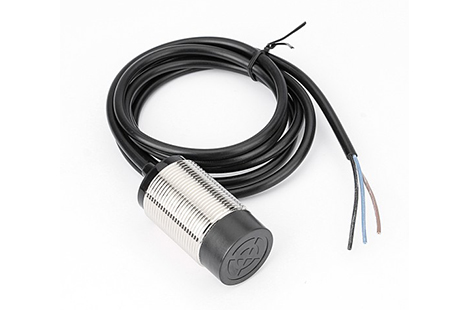
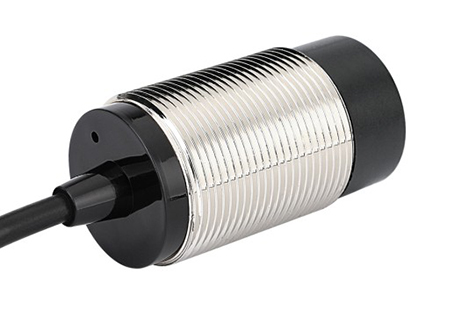
Cylindrical proximity switches are widely used in industrial automation for non-contact position detection, object counting, and safety interlocking. Their compact round design makes them ideal for tight installation spaces, especially in machinery, conveyor systems, and packaging lines.

However, like all sensors, they are not immune to failures. Understanding the most common issues—and how to prevent them—can significantly improve system reliability and reduce downtime.

False Triggering or Unstable Signal Output

Common Causes:

Electrical noise from motors, inverters, or welding equipment

Poor grounding or shielding

Improper cable routing near power lines

Excessive vibration affecting sensor stability

Prevention Tips:

Use shielded cables and properly ground the shield

Keep sensor wiring separated from high-power cables

Install noise filters or surge protectors

Choose sensors with built-in noise immunity features

No Detection or Missed Signals

Common Causes:

Incorrect sensing distance setup

Target material not suitable (e.g., non-metal for inductive sensors)

Misalignment between sensor and target

Weak supply voltage or unstable power

Prevention Tips:

Verify detection range before installation

Ensure correct sensor type (inductive, capacitive, etc.) for the application

Align target object within the sensing axis

Use regulated and stable power supply

Sensor Damage Due to Overvoltage or Reverse Polarity

Common Causes:

Incorrect wiring during installation

Power surges from unstable industrial networks

Lack of protection circuits

Prevention Tips:

Double-check wiring before powering on

Use reverse polarity protection sensors

Install surge protection devices in the control cabinet

Train technicians on proper installation procedures

Environmental Failure (Water, Oil, Dust, or Chemicals)

Common Causes:

Using sensors below required IP protection level

Exposure to coolant, oil mist, or corrosive chemicals

Improper sealing of connectors

Prevention Tips:

Select sensors with appropriate IP ratings (IP67 or IP68 for harsh environments)

Use protective housings in extreme conditions

Ensure tight sealing of connectors and cable glands

Perform regular cleaning and inspection

Mechanical Damage or Misalignment

Common Causes:

Strong vibration loosening the sensor mount

Impact from moving machinery or workpieces

Improper installation torque

Bracket deformation over time

Prevention Tips:

Use anti-vibration mounting brackets

Secure sensors with locking nuts and proper torque

Install protective guards in high-impact areas

Regularly check alignment during maintenance

Reduced Sensing Distance Over Time

Common Causes:

Metal debris buildup on sensor surface

Aging of internal components

Temperature fluctuations affecting performance

Prevention Tips:

Clean sensor face regularly

Avoid operating near the upper limit of sensing distance

Choose high-quality industrial-grade sensors

Maintain stable operating temperature where possible

LED Indicator Failure or Misleading Status

Common Causes:

Internal LED aging

Electrical instability

Moisture ingress into indicator housing

Prevention Tips:

Use sealed industrial-grade sensors

Avoid prolonged overvoltage conditions

Periodically test sensor response instead of relying only on LED status

Best Practices for Long-Term Reliability

To maximize the lifespan and stability of cylindrical proximity switches, follow these general guidelines:

Choose the right sensing technology for the application

Install according to manufacturer recommendations

Maintain proper electrical protection (surge, grounding, isolation)

Conduct routine maintenance and cleaning

Monitor performance trends instead of waiting for failure

Conclusion

Cylindrical proximity switches are highly reliable components in automation systems, but most failures are not random—they are caused by environmental stress, improper installation, or electrical issues. By understanding these failure modes and applying preventive measures, you can greatly improve system uptime and reduce maintenance costs.

If your application involves harsh environments or high-speed automation, investing in high-quality industrial proximity sensors and proper installation practices will always pay off in the long run.

FAQ

1. What is a cylindrical proximity switch used for?

A cylindrical proximity switch is used for non-contact detection of objects, typically in automation systems. It is widely applied in machine positioning, conveyor belt counting, part detection, and safety interlocking.

2. What types of cylindrical proximity switches are available?

The most common types include:

Inductive proximity switches (metal detection)

Capacitive proximity switches (non-metal and liquid detection)

Photoelectric cylindrical sensors (light-based detection in some designs)

Each type is selected based on the target material and application environment.

3. What causes a cylindrical proximity switch to fail?

Common causes include:

Electrical noise or interference

Incorrect wiring or voltage issues

Environmental exposure (water, oil, dust)

Mechanical damage or misalignment

Improper sensing distance setup

4. How long does a cylindrical proximity switch last?

Under normal industrial conditions, a high-quality proximity switch can last several years. Lifespan depends on factors such as environment, load conditions, installation quality, and maintenance practices.

5. How do I choose the correct sensing distance?

Sensing distance should be selected based on:

Target material (steel, aluminum, etc.)

Object size and speed

Installation space

Manufacturer’s rated detection range

It is recommended to leave a safety margin instead of operating at maximum range.

Why Cylindrical Proximity Switches Are Ideal for Machine Position Detection

Introduction

In industrial automation systems, accurate machine position detection is essential for ensuring precision, safety, and efficiency. Whether it is controlling a robotic arm, monitoring a conveyor system, or confirming the position of a moving component, reliable sensors are at the core of stable operation.

Among the various sensor types available, cylindrical proximity switches are one of the most widely used solutions for position detection in machines. Their compact design, easy installation, and reliable performance make them a preferred choice in many industries.

What Is a Cylindrical Proximity Switch?

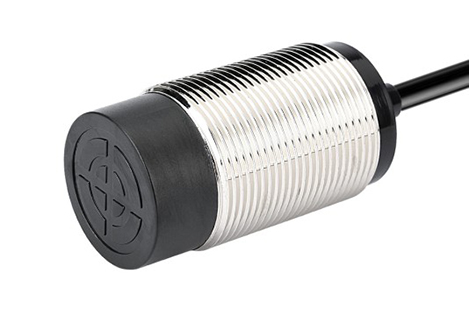
A cylindrical proximity switch is a non-contact sensor with a round, threaded metal housing, typically available in standard sizes such as M8, M12, M18, and M30.

It detects the presence or absence of an object—usually metal—without physical contact, using inductive or capacitive sensing technology.

Key features include:

Compact cylindrical shape

Threaded body for easy mounting

Non-contact detection

High durability in industrial environments

Why Machine Position Detection Matters

Machine position detection ensures that every movement in an automated system is:

Accurate

Synchronized

Safe

Repeatable

Without reliable detection, machines may experience:

Misalignment

Production errors

Equipment collisions

System downtime

This is why high-performance sensors are critical.

Compact Design Fits Tight Machine Spaces

One of the biggest advantages of cylindrical proximity switches is their space-saving design.

They can be easily installed in:

Machine housings

Conveyor frames

Robotic arms

Compact automation systems

Their small footprint allows engineers to integrate them without redesigning mechanical structures.

Precise Point Detection for Position Control

Cylindrical proximity switches are excellent for accurate point detection, which is essential for machine positioning tasks.

They are commonly used to:

Detect end positions of moving parts

Confirm alignment of mechanical components

Trigger stop/start signals in automation sequences

This precision helps ensure smooth and controlled machine operation.

Easy Installation and Replacement

The threaded cylindrical body allows for simple installation:

Insert into a mounting hole

Secure with nuts

Adjust sensing distance if needed

This standardized design also makes replacement quick and cost-effective, reducing machine downtime.

High Reliability in Industrial Environments

Machine environments are often harsh, involving:

Vibration

Dust and oil

Temperature changes

Mechanical stress

Cylindrical proximity switches are designed to withstand these conditions, offering:

Stable sensing performance

Long service life

Resistance to environmental interference

Wide Compatibility with Industrial Systems

These sensors are compatible with most automation systems, supporting:

PLC integration

PNP/NPN output configurations

NO/NC switching modes

This makes them easy to integrate into both new and existing machinery.

Fast Response Time for Real-Time Control

In machine position detection, speed matters. Cylindrical proximity switches provide:

Quick response to target movement

Real-time signal transmission

Reliable switching in fast cycles

This is especially important in high-speed production lines.

Common Applications in Machine Position Detection

Cylindrical proximity switches are widely used in:

CNC machine tools

Robotic positioning systems

Conveyor belt positioning

Packaging machinery

Automated assembly lines

Hydraulic and pneumatic cylinder position detection

Cylindrical vs. Other Sensor Types in Position Detection

Feature Cylindrical Proximity Switch Other Sensor Types
Installation Easy, threaded mounting Often requires brackets
Size Compact Varies, often larger
Detection Type Point-based precision May be area-based
Durability High industrial resistance Depends on type

Limitations to Consider

While highly effective, cylindrical proximity switches also have limitations:

Limited detection range

Mainly suitable for point detection

Inductive types only detect metal objects

Proper selection based on application is important.

Conclusion

Cylindrical proximity switches are an ideal solution for machine position detection due to their compact design, high precision, and strong industrial reliability. Their ability to deliver accurate, real-time position signals makes them a core component in modern automation systems.

From robotics to conveyor systems, they help ensure machines operate smoothly, safely, and efficiently in demanding industrial environments.

FAQ

1. Why are cylindrical proximity switches used in machine position detection?

Because they provide precise, reliable, and fast non-contact detection in compact industrial setups.

2. Can they detect non-metal objects?

Only capacitive cylindrical sensors can detect non-metal materials; inductive types are mainly for metal.

3. Are they suitable for high-speed machines?

Yes. They have fast response times suitable for real-time automation.

4. How are they installed?

They are mounted through a threaded hole and secured with nuts for stable positioning.

5. Where are they most commonly used?

They are widely used in CNC machines, robotics, conveyors, and automated production lines.

Cylindrical vs. Rectangular Proximity Switches: What’s the Difference?

Introduction

In industrial automation, proximity switches are essential for detecting the presence or absence of objects without physical contact. Among the most commonly used types are cylindrical proximity switches and rectangular proximity switches. While both perform similar sensing functions, their design, installation, and application scenarios differ significantly.

Understanding these differences helps engineers choose the right sensor for performance, space constraints, and installation requirements.

What Is a Cylindrical Proximity Switch?

A cylindrical proximity switch is a sensor with a round, tube-like housing, typically available in standard diameters such as M8, M12, M18, and M30.

Key Characteristics:

Compact, threaded metal housing

Easy installation with mounting nuts

Widely used in standard machine applications

Available in inductive and capacitive types

Because of its standardized shape, it is one of the most widely used proximity sensors in industrial systems.

What Is a Rectangular Proximity Switch?

A rectangular proximity switch has a flat, box-shaped housing. It is designed for applications where surface mounting or wide-area detection is required.

Key Characteristics:

Flat, wide sensing surface

Easy surface mounting with screws or brackets

Larger sensing area compared to cylindrical types

Often used in conveyor and positioning systems

Its shape allows better coverage in certain detection scenarios.

Key Differences Between Cylindrical and Rectangular Proximity Switches

Shape and Design

Cylindrical: Round, compact, threaded body

Rectangular: Flat, box-like structure

Cylindrical sensors are better for tight spaces, while rectangular sensors are better for surface coverage.

Installation Method

Cylindrical: Mounted through a hole using nuts (flush or non-flush installation)

Rectangular: Mounted on surfaces using screws or brackets

Cylindrical sensors are ideal for embedded installations, while rectangular ones are easier to mount externally.

Detection Area

Cylindrical: Focused, point-based detection

Rectangular: Wider sensing surface

Rectangular sensors provide broader coverage, making them suitable for detecting larger objects or uneven surfaces.

Space Requirements

Cylindrical: Compact and space-saving

Rectangular: Requires more surface space

Cylindrical types are preferred in compact machines or dense equipment layouts.

Application Flexibility

Cylindrical: General-purpose industrial use

Rectangular: Specialized applications requiring area detection

Both types are widely used but serve different engineering needs.

Application Comparison

Cylindrical Proximity Switch Applications:

Machine tool position detection

Robotics and automation systems

Metal part detection in tight spaces

Conveyor edge sensing

Rectangular Proximity Switch Applications:

Conveyor belt object detection

Packaging line monitoring

Large surface position sensing

Sorting and material handling systems

Advantages of Cylindrical Proximity Switches

Easy installation in drilled mounting holes

Compact design fits tight spaces

Standardized sizes simplify replacement

Widely compatible with industrial equipment

Advantages of Rectangular Proximity Switches

Larger detection surface

Better for irregular or wide objects

Easy external mounting

Stable detection in conveyor systems

How to Choose Between Them

When selecting a proximity switch, consider the following:

Choose Cylindrical If:

Installation space is limited

You need precise point detection

Equipment uses standard mounting holes

You require easy replacement

Choose Rectangular If:

You need wide-area detection

The object is large or irregular

Surface mounting is preferred

Conveyor or belt systems are used

Performance Considerations

Both types can use similar sensing technologies (inductive or capacitive), meaning performance differences are often minimal. The key decision factor is mechanical design and installation requirements, not sensing capability.

Conclusion

Both cylindrical and rectangular proximity switches play important roles in industrial automation, but they serve different design needs. Cylindrical sensors excel in compact, standardized installations, while rectangular sensors are better suited for wide-area and surface detection applications.

Choosing the right type depends on space, mounting style, and detection requirements. Proper selection ensures better efficiency, reliability, and system performance.

FAQ

1. Which is more commonly used, cylindrical or rectangular proximity switches?

Cylindrical types are more common due to their standardized size and versatile installation.

2. Are both types equally accurate?

Yes. Accuracy depends more on sensing technology than shape.

3. Can cylindrical sensors replace rectangular ones?

Not always. Rectangular sensors are better for wide-area detection, which cylindrical types cannot fully match.

4. Which type is better for tight spaces?

Cylindrical proximity switches are better for limited installation spaces.

5. Do they use the same wiring system?

Yes, both typically support similar output types such as PNP, NPN, NO, or NC configurations.

Future Trends in Proximity Sensor Design: Compact and Angle-Mounted Solutions

Introduction

As industrial automation advances toward higher efficiency, flexibility, and intelligence, the demand for smarter sensing solutions continues to grow. Among these innovations, compact and angle-mounted proximity sensors are becoming increasingly important, addressing space constraints while delivering precise and reliable detection.

The Changing Landscape of Industrial Automation

Modern industries are evolving rapidly under the influence of:

Smart manufacturing and Industry 4.0

Increasing equipment miniaturization

Demand for higher production efficiency

Integration of robotics and AI systems

These trends require sensors that are not only accurate but also smaller, smarter, and more adaptable.

Why Compact Sensor Design Is the Future

Equipment Miniaturization

Machines are becoming smaller and more integrated. Compact sensors allow engineers to:

Save installation space

Reduce system footprint

Improve overall machine design

Higher Sensor Density

Modern production lines often require multiple sensors in a limited area. Smaller sensors enable:

More detection points

Better process control

Increased automation precision

Reduced Material and Energy Use

Compact designs contribute to sustainability by:

Using fewer raw materials

Lowering energy consumption

Reducing manufacturing and transportation costs

The Rise of Angle-Mounted Proximity Sensors

Angle-mounted (or angle post) proximity sensors are gaining popularity due to their unique structural advantages.

Flexible Installation in Tight Spaces

Their 90° design allows mounting in confined or hard-to-reach areas where traditional sensors cannot fit.

Improved Detection Geometry

They enable side detection, making them ideal for:

Conveyor systems

Robotic arms

Complex mechanical assemblies

Enhanced System Integration

Angle-mounted sensors simplify machine design by reducing the need for additional brackets or structural modifications.

Key Technology Trends Shaping the Future

Integration with Smart Systems

Future proximity sensors are increasingly integrated with:

PLC and IoT systems

Real-time monitoring platforms

Predictive maintenance tools

This allows sensors to not only detect objects but also provide data insights.

Advanced Materials and Durability

New materials such as improved polymers and composites offer:

Better resistance to heat, chemicals, and UV

Longer service life

Improved performance in harsh environments

Increased Sensing Accuracy and Range

Advancements in electronics are enabling:

Higher sensitivity detection

More stable performance in noisy environments

Extended sensing distances in compact designs

Multi-Function and Hybrid Sensors

Future sensors may combine multiple sensing technologies, such as:

Inductive + capacitive detection

Proximity + temperature sensing

Smart diagnostics and self-calibration

Plug-and-Play and Easy Configuration

Modern sensors are being designed for:

Faster installation

Minimal calibration

User-friendly configuration interfaces

This reduces setup time and operational complexity.

Applications Driving These Trends

The demand for compact and angle-mounted proximity sensors is growing across industries:

Automotive manufacturing – for dense assembly lines

Electronics production – requiring high precision in small spaces

Packaging machinery – where space optimization is critical

Logistics and warehousing – for conveyor and sorting systems

Robotics – enabling flexible and precise motion control

Benefits for Industrial Systems

Adopting compact and angle-mounted proximity sensors offers several advantages:

Space-saving installation

Improved machine design flexibility

Higher operational efficiency

Reduced maintenance needs

Enhanced system reliability

Challenges and Considerations

Despite their advantages, some challenges remain:

Limited sensing range in very compact designs

Need for careful selection based on application

Potential sensitivity to environmental factors (for certain types)

Manufacturers are actively addressing these limitations through continuous innovation.

The Future Outlook

Looking ahead, proximity sensors will become:

Smarter – with integrated data analytics and connectivity

Smaller – without sacrificing performance

More adaptable – fitting into diverse and complex systems

Angle-mounted solutions will continue to play a key role in enabling compact, efficient, and intelligent industrial designs.

Conclusion

The future of proximity sensor design is being shaped by the need for compactness, flexibility, and intelligence. Angle-mounted proximity sensors, with their space-saving structure and versatile installation capabilities, are perfectly aligned with these trends.

As industries continue to push toward smarter and more efficient automation, these advanced sensing solutions will remain essential in driving innovation and improving system performance.

FAQ

1. Why are compact proximity sensors becoming more popular?

Because modern machinery is becoming smaller and more integrated, requiring sensors that fit into limited spaces.

2. What is the advantage of angle-mounted sensors?

They allow flexible installation and side detection in tight or complex environments.

3. Are future proximity sensors smarter than current ones?

Yes. Many are being integrated with IoT systems and offer real-time monitoring and diagnostics.

4. Which industries benefit most from these trends?

Automotive, electronics, packaging, logistics, and robotics industries benefit significantly.

5. Will compact sensors replace traditional ones completely?

Not entirely. Both types will coexist, with selection depending on application requirements.

Why Angle Post Type Proximity Switches Are Ideal for Limited-Space Installations

Introduction

As industrial equipment becomes more compact and integrated, engineers are increasingly challenged by limited installation space. Traditional straight-body sensors often struggle to fit into tight areas or achieve the correct detection angle. This is where angle post type proximity switches offer a clear advantage.

Designed with a 90° or L-shaped housing, these sensors provide flexible mounting and reliable detection in confined environments—making them a preferred choice across modern automation systems.

What Is an Angle Post Type Proximity Switch?

An angle post type proximity switch is a non-contact sensor with an angled housing that allows the sensing face to be positioned perpendicular to the mounting surface.

Key characteristics include:

Compact, right-angle design

Side-facing detection capability

Non-contact sensing (inductive or capacitive)

Easy integration into tight spaces

The Challenge of Limited-Space Installations

In many industrial scenarios, space constraints are unavoidable due to:

Dense machine layouts

Compact equipment design

Retrofitting older systems

Complex conveyor or assembly configurations

In such cases, traditional straight sensors may:

Require additional mounting brackets

Be difficult to align correctly

Interfere with moving parts

Angle post proximity switches solve these problems efficiently.

Key Reasons They Excel in Tight Spaces

Right-Angle Design Saves Space

The most obvious advantage is the 90° housing structure, which allows the sensor to be mounted parallel to a surface while detecting objects from the side.

This reduces:

Installation depth requirements

Interference with surrounding components

Need for extra mounting accessories

Flexible Mounting Options

Angle post switches can be installed in areas where straight sensors cannot reach, such as:

Inside machine frames

Along narrow conveyor edges

Near rotating or moving parts

Their design enables more creative and efficient sensor placement.

Improved Detection Alignment

In tight spaces, aligning a sensor directly toward the target can be difficult. The angled sensing face allows:

Direct side detection

Better positioning relative to moving objects

Increased detection accuracy

Reduced Mechanical Interference

Compact machinery often has limited clearance between components. Angle post sensors:

Stay out of the main movement path

Minimize risk of physical damage

Reduce wear and maintenance needs

Simplified Installation and Wiring

Because of their compact and integrated design:

Less need for additional brackets or extensions

Easier cable routing in confined areas

Faster installation time

This is especially valuable in large-scale industrial setups.

Typical Applications in Limited Spaces

Angle post type proximity switches are widely used in:

Conveyor Systems

Detecting objects from the side without obstructing the conveyor path.

Packaging Machinery

Fitting into compact equipment layouts where space is restricted.

Automated Assembly Lines

Monitoring part positions in dense mechanical structures.

Robotics and Material Handling

Providing precise detection in tight robotic workspaces.

Retrofitting Existing Equipment

Upgrading older systems where space for new components is limited.

Comparison with Straight-Type Sensors

Feature Angle Post Type Straight Type
Installation Space Minimal Requires more depth
Detection Direction Side-facing Front-facing
Mounting Flexibility High Limited
Suitability for Tight Spaces Excellent Moderate

Additional Advantages Beyond Space Saving

Non-contact operation reduces wear and extends lifespan

High reliability in harsh industrial environments

Fast response time for real-time automation

Compatibility with PLC systems

Considerations When Choosing One

To maximize performance, consider:

Sensing type (inductive vs. capacitive)

Detection range requirements

Environmental conditions (dust, moisture, temperature)

Output type (PNP/NPN, NO/NC)

Proper selection ensures optimal performance even in confined installations.

Conclusion

Angle post type proximity switches are specifically designed to overcome the challenges of limited-space installations. Their compact, right-angle structure allows flexible mounting, accurate detection, and minimal interference with surrounding components.

As industrial systems continue to become more compact and efficient, these sensors play a crucial role in enabling smarter, space-optimized automation solutions.

FAQ

1. What makes angle post proximity switches different from standard ones?

Their 90° angled design allows side detection and easier installation in tight spaces.

2. Are they suitable for all types of materials?

It depends on the sensing type—inductive sensors detect metals, while capacitive sensors can detect non-metal materials.

3. Do they require special mounting hardware?

In most cases, no. Their design reduces the need for additional brackets.

4. Can they be used in harsh industrial environments?

Yes, many models are designed to withstand dust, vibration, and moisture.

5. Are they more expensive than straight sensors?

They may be slightly more expensive, but the installation and space-saving benefits often outweigh the cost.