


In modern electrical control systems, clear and immediate communication between machines and operators is essential for ensuring safety, efficiency, and reliability. One of the simplest yet most effective components used to achieve this is the signal indicator light. Though small in size, these devices play a critical role in conveying system status, alerting operators to faults, and supporting smooth operational workflows.
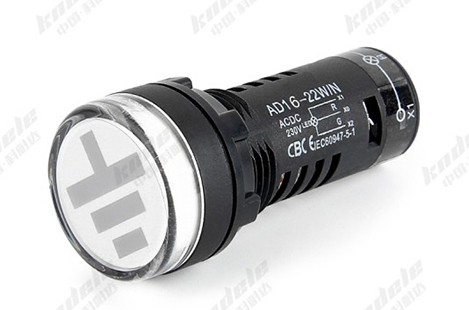
Signal indicator lights are visual signaling devices installed in electrical panels, machinery, and control systems. They use illumination—typically through LED or incandescent sources—to indicate the operating status of a system or component. By using different colors and lighting patterns, these lights provide intuitive, real-time feedback to operators.
One of the primary roles of signal indicator lights is to display the current operating condition of equipment. For example:
Green often indicates normal operation or power ON
Red signals faults, alarms, or emergency conditions
Yellow/Amber shows warnings or standby modes
This immediate visual feedback allows operators to assess system status at a glance without needing complex diagnostics.
Signal indicator lights are essential for highlighting abnormal conditions such as overloads, short circuits, or equipment failures. When integrated with sensors and control circuits, they illuminate instantly when an issue occurs, enabling faster troubleshooting and minimizing downtime.
In industrial environments, safety is a top priority. Indicator lights help prevent accidents by clearly showing whether a machine is active, idle, or in a hazardous state. For example, a red flashing light can warn personnel to stay clear of operating machinery, reducing the risk of injury.
Control panels can be complex, especially in large-scale systems. Signal indicator lights simplify interaction by providing an easy-to-understand interface. Operators do not need to interpret complicated data—they can rely on visual cues to make quick decisions.
During maintenance, technicians rely on indicator lights to identify which parts of a system are active or faulty. This reduces the time required for inspection and helps isolate problems more efficiently.
LED Indicator Lights: Energy-efficient, long-lasting, and widely used in modern systems
Panel-Mounted Indicator Lights: Installed directly on control panels for easy visibility
Multi-Color Indicator Lights: Capable of displaying different statuses using a single unit
Flashing Indicator Lights: Used for critical alerts and emergency signals
Each type is selected based on application requirements such as voltage, environment, and visibility needs.
Improved Efficiency: Quick status recognition reduces response time
Enhanced Safety: Clear warnings help prevent accidents
Low Energy Consumption: Especially with LED technology
Long Service Life: Minimal maintenance required
Cost-Effective: Simple design with high functional value
When choosing signal indicator lights for electrical control systems, consider the following factors:
Voltage Compatibility (e.g., 12V, 24V, 110V, 220V)
Color Standards based on industry norms
IP Rating for dust and water resistance
Mounting Type and Size
Operating Environment (temperature, vibration, humidity)
Selecting the right specification ensures reliable performance and long-term durability.
With the advancement of smart manufacturing and Industry 4.0, signal indicator lights are becoming more intelligent and integrated. Modern designs now include:
Smart LED indicators with programmable colors and patterns
Integration with IoT systems for remote monitoring
Enrgy-efficient designs for sustainable operations
These innovations are transforming traditional indicator lights into more versatile and data-driven components.
Signal indicator lights are indispensable elements in electrical control systems. They provide clear, real-time visual communication that enhances safety, improves efficiency, and simplifies system management. As technology continues to evolve, these small yet powerful devices will remain a cornerstone of effective industrial control and automation.
Q1: Why are LED signal indicator lights preferred?
A: LED lights offer longer lifespan, lower energy consumption, and better brightness compared to traditional incandescent lights.
Q2: What do different indicator light colors mean?
A: Typically, green indicates normal operation, red signals faults, and yellow represents warnings, though standards may vary by industry.
Q3: Can signal indicator lights be used outdoors?
A: Yes, but they should have appropriate IP ratings (e.g., IP65 or higher) to withstand environmental conditions.
Q4: How long do signal indicator lights last?
A: LED indicator lights can last up to 50,000 hours or more, depending on usage and quality.
Q5: Are signal indicator lights customizable?
A: Yes, many modern indicator lights support different colors, voltages, and mounting options to suit specific applications.

