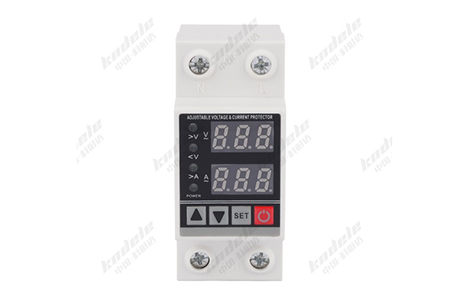
Angle Post vs. Standard Proximity Switch: Which One Fits Your Application?

Introduction

In modern automation and industrial applications, choosing the right proximity switch can significantly impact system performance, reliability, and cost. Two of the most commonly discussed options are Angle Post Proximity Switches and Standard Proximity Switches. This article explores their differences, applications, and key considerations to help you make an informed choice.
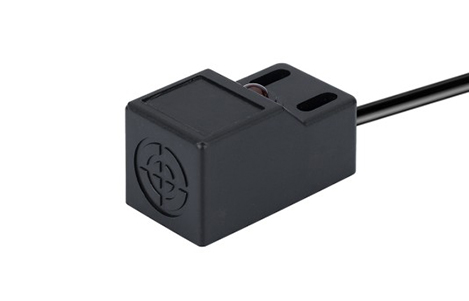
What Is a Proximity Switch?

A proximity switch is a non-contact sensor that detects the presence or absence of an object, usually metal, within a certain range. These switches are widely used in:

Automated manufacturing

Conveyor systems

Robotics

Safety monitoring

There are several types of proximity switches, including inductive, capacitive, and magnetic, but their core function remains the same: detecting objects without physical contact.

Angle Post Proximity Switch: Definition and Advantages

Angle Post Proximity Switches are designed with a right-angle mounting configuration, which allows the sensor to detect objects in tight or awkward spaces where standard straight sensors cannot fit.

Key advantages include:

Space-Saving Design

Ideal for confined areas or machinery with limited clearance.

Flexible Mounting

Can be mounted at angles that suit complex layouts.

Durability in Harsh Environments

Often encased in rugged materials to withstand vibration, dust, and moisture.

Typical Applications:

Packaging machines with limited sensor clearance

CNC machines with complex tool paths

Robotics arms requiring angled sensing

Standard Proximity Switch: Definition and Advantages

Standard Proximity Switches usually have a straight, cylindrical body and are easy to install in most applications.

Key advantages include:

Ease of Installation

Straightforward mounting on flat surfaces.

Cost-Effective

Generally more affordable than specialized angle post versions.

Wide Range of Sensing Distances

Available in various sizes to detect small or large objects.

Typical Applications:

Conveyor belt systems

General automation equipment

Level detection in tanks or silos

Angle Post vs. Standard Proximity Switch: Key Differences

Feature Angle Post Switch Standard Switch
Mounting Right-angle, flexible Straight, linear
Space Requirements Fits tight spaces Requires more clearance
Cost Usually higher More cost-effective
Application Complex layouts, compact machines General automation tasks
Durability Often more rugged Standard industrial protection

How to Choose the Right Switch for Your Application

When deciding between an angle post and a standard proximity switch, consider the following factors:

Space and Mounting Requirements

If your system has tight corners or limited clearance, an angle post switch may be necessary.

Sensing Range and Object Size

Ensure the switch can detect your target object reliably.

Environment Conditions

Dust, moisture, vibration, and temperature extremes may dictate a more rugged design.

Budget Constraints

Standard switches are typically more cost-effective for simple layouts.

Maintenance and Accessibility

Consider how easy it is to install, adjust, or replace the switch in your setup.

Conclusion

Choosing between an Angle Post Proximity Switch and a Standard Proximity Switch ultimately depends on your specific application requirements.

Use Angle Post switches for tight, complex, or compact systems.

Use Standard switches for straightforward, general-purpose automation tasks.

By understanding their differences and advantages, you can optimize system performance, reduce downtime, and ensure long-term reliability.

FAQ

Q1: Can a standard switch be used in a tight space?
A: Usually not, as it may require additional mounting adapters or modifications, making an angle post switch a better choice.

Q2: Are angle post switches more expensive?
A: Yes, typically due to their specialized design and rugged build.

Q3: What types of objects can proximity switches detect?
A: Most commonly metal objects, but capacitive versions can detect non-metallic materials like plastics, liquids, or powders.
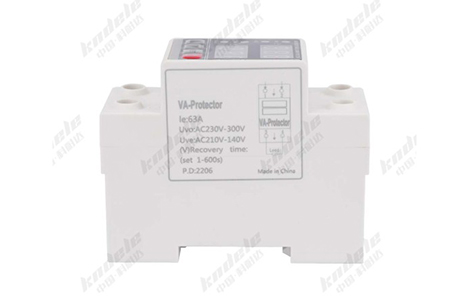
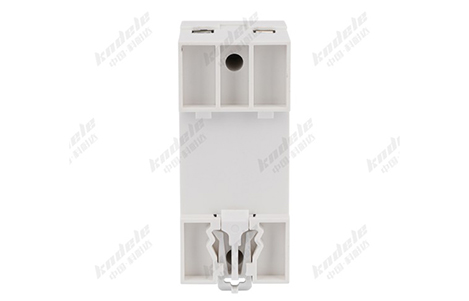
Preventing Electrical Failures: The Role of Voltage Current Protectors in High-Density Circuits

Introduction

As modern electrical systems become increasingly complex, high-density circuits are becoming the norm in both industrial and commercial applications. These circuits, packed with multiple devices and components in a limited space, are particularly vulnerable to voltage fluctuations, current surges, and short circuits. Failure in a single component can have a cascading effect, causing downtime, equipment damage, or safety hazards.

This is where Voltage Current Protectors (VCPs) play a critical role. They monitor, regulate, and protect circuits from abnormal electrical conditions, ensuring reliability and safety in high-density setups. In this article, we explore the role of VCPs in preventing electrical failures and maintaining optimal performance.

Understanding High-Density Circuits

High-density circuits refer to systems where multiple electrical components or devices are installed close together, often in compact panels, data centers, or industrial control boards. While this design maximizes space and efficiency, it also increases the risk of:

Overvoltage or undervoltage issues caused by fluctuating supply

Overcurrent conditions due to simultaneous operation of multiple devices

Short circuits resulting from tight wiring layouts

Heat accumulation, which can degrade insulation and electronic components

In such environments, a single electrical failure can propagate quickly, leading to major system disruptions.

How Voltage Current Protectors Safeguard High-Density Circuits

Voltage Current Protectors offer real-time monitoring and rapid response, making them essential for high-density circuits. Their core functions include:

Overvoltage Protection: Detects spikes from external sources like lightning or grid surges, disconnecting or diverting excess voltage to prevent component damage.

Undervoltage Protection: Ensures sensitive devices continue to operate safely, avoiding malfunctions caused by low voltage.

Overcurrent Protection: Prevents excessive current that could overheat wires or electronic components.

Short-Circuit Protection: Instantly disconnects the circuit in case of a short, preventing cascading failures.

By addressing these electrical threats, VCPs maintain system integrity and prevent costly downtime in high-density environments.

Key Applications in High-Density Circuits

Data Centers and IT Infrastructure

Data centers house hundreds of servers and networking devices in a compact space. Voltage or current fluctuations can lead to server crashes, data loss, or equipment damage. Installing VCPs ensures continuous operation and data integrity.

Industrial Control Panels

Factories often use compact control panels with multiple PLCs, motors, and sensors. VCPs protect these components from electrical faults that could halt production or damage critical equipment.

Renewable Energy Systems

Solar inverters and battery storage systems often operate in high-density configurations. Voltage current protectors ensure stable power distribution, prevent overcurrent, and enhance system longevity.

Commercial Buildings

High-density circuits in office buildings, smart lighting systems, and HVAC setups can benefit from VCPs to prevent overloads and protect sensitive electronics.

Advantages of Using VCPs in High-Density Circuits

Enhanced Safety: Reduces fire risk and electrical hazards caused by overheating or short circuits.

Improved Reliability: Prevents cascading failures in tightly packed systems.

Equipment Longevity: Protects components from stress caused by voltage and current irregularities.

Cost Savings: Reduces maintenance, downtime, and replacement costs in complex systems.

Choosing the Right VCP for High-Density Circuits

When selecting a VCP for high-density applications, consider:

Voltage and Current Ratings: Ensure compatibility with all devices in the circuit.

Fast Response Time: Critical for sensitive electronics and industrial automation.

Type of Protection: Overvoltage, undervoltage, overcurrent, and short-circuit protection.

Installation Form Factor: Panel-mounted or modular designs are often preferred for compact layouts.

Certifications: Look for UL, CE, or IEC approvals to guarantee quality and safety.

Proper selection ensures optimal protection and uninterrupted operation in complex high-density systems.

Conclusion

High-density circuits offer efficiency and compact design but come with increased risk of electrical failures. Voltage Current Protectors are indispensable in these environments, providing real-time monitoring, rapid response, and multi-level protection against overvoltage, undervoltage, overcurrent, and short circuits. Whether in data centers, industrial panels, renewable energy setups, or commercial buildings, investing in the right VCP ensures safety, reliability, and long-term performance.

FAQ

1. Why are high-density circuits more vulnerable to electrical failures?

High-density circuits pack multiple devices in a compact space, which increases the risk of overvoltage, overcurrent, short circuits, and heat accumulation. A single failure can quickly propagate, affecting the entire system.

2. How does a voltage current protector (VCP) prevent failures in high-density circuits?

A VCP monitors voltage and current in real time. It protects circuits by:

Disconnecting or diverting voltage spikes (overvoltage protection)

Ensuring devices operate safely at low voltage (undervoltage protection)

Preventing excessive current (overcurrent protection)

Quickly reacting to short circuits

This helps maintain system reliability and prevents cascading failures.

3. Can VCPs protect sensitive equipment like servers or PLCs?

Yes. VCPs are essential in data centers, industrial control panels, and automation systems, where sensitive electronics can be damaged by even minor voltage or current fluctuations.

4. What type of VCP is best for high-density circuits?

Choose a VCP that offers:

Appropriate voltage and current ratings for your system

Fast response time for sensitive devices

Multi-function protection: overvoltage, undervoltage, overcurrent, and short-circuit

Panel-mounted or modular designs for compact installations

Certifications like UL, CE, or IEC for reliability

5. Do VCPs require maintenance in high-density circuits?

Most modern VCPs are low-maintenance, but periodic inspection of wiring, relays, and connections is recommended, especially in industrial or mission-critical systems.

6. Can VCPs prevent all electrical failures in high-density circuits?

While VCPs greatly reduce risks, proper design, grounding, and cooling are also essential. They should be part of a comprehensive strategy to ensure safe and reliable operation.

How to Choose the Right Voltage Current Protector for Your System

Introduction

Electricity is the lifeblood of modern homes and industrial systems. However, voltage fluctuations, current surges, and electrical faults can damage devices, cause downtime, or even create safety hazards. A Voltage Current Protector (VCP) is designed to safeguard your system by monitoring and regulating voltage and current. But with so many models available, how do you choose the right one? This article guides you through the key factors to consider when selecting a VCP for your system.

Understand Your System Requirements

The first step in choosing a voltage current protector is to evaluate your system’s electrical requirements:

Voltage Level: Identify the nominal voltage your system operates at. Residential systems often use 110–240V, while industrial equipment may require higher voltages like 380V or 480V.

Current Capacity: Determine the maximum current your devices or circuits will draw. Protectors must handle this safely without nuisance tripping.

Load Type: Consider whether your load is resistive (heaters, lights), inductive (motors, transformers), or capacitive (electronic devices), as different loads have different protection needs.

By understanding these parameters, you ensure the VCP can handle your system’s electrical profile efficiently.

Decide the Type of Protection Needed

Voltage current protectors offer various protection functions. Choose one based on the risks your system faces:

Overvoltage Protection: Guards against voltage spikes caused by lightning, grid surges, or switching operations.

Undervoltage Protection: Prevents devices from operating under low voltage, which can cause overheating or malfunctions.

Overcurrent Protection: Protects wiring and devices from excessive current that could lead to fire or damage.

Short-Circuit Protection: Quickly disconnects the circuit to avoid catastrophic damage.

Some advanced VCPs combine all these protections in a single unit, providing comprehensive safety.

Consider Response Time and Sensitivity

Response time is a critical factor, especially for sensitive electronics:

Fast response times (milliseconds) are required for devices like computers, servers, and PLCs.

Slower response may be acceptable for heavy machinery or non-critical equipment.

Additionally, sensitivity settings allow the VCP to trigger only under genuine electrical threats, avoiding unnecessary shutdowns.

Select the Appropriate Installation Type

Voltage current protectors come in various form factors to suit different installations:

Panel-Mounted: Ideal for industrial distribution boards and control panels.

Wall-Mounted: Suitable for residential or small commercial applications.

Plug-In / Socket-Based: Convenient for individual appliances or home office setups.

Choose a type that is compatible with your existing system and allows easy installation and maintenance.

Evaluate Quality, Certifications, and Features

When choosing a VCP, reliability and safety certifications are crucial:

Look for certifications like CE, UL, IEC, or local regulatory approvals.

Check the device’s build quality, including high-quality relays, sensors, and thermal protection.

Some VCPs offer additional features such as:

Digital display of voltage and current

Automatic reset

Remote monitoring for industrial applications

These features enhance usability and ensure long-term performance.

Budget vs. Long-Term Value

While it may be tempting to choose the cheapest option, investing in a high-quality VCP often saves money in the long run by preventing:

Appliance or equipment damage

Industrial downtime

Fire hazards and safety risks

Think of a VCP as insurance for your electrical system—the cost of protection is minimal compared to potential losses.

Conclusion

Choosing the right Voltage Current Protector requires careful consideration of your system’s voltage, current, and load type, as well as the type of protection, response time, installation type, and certifications. A properly selected VCP ensures electrical safety, prolongs equipment lifespan, and prevents costly downtime, whether in a home, office, or industrial environment. Investing in the right protector is a smart step toward reliable and safe electrical operation.

FAQ 

1. What is a voltage current protector (VCP)?

A voltage current protector is a device that monitors and regulates voltage and current in electrical systems. It protects devices from overvoltage, undervoltage, overcurrent, and short circuits.

2. How do I know the voltage and current rating I need?

Check your system’s nominal voltage and maximum current draw. For residential use, typical voltages are 110–240V, while industrial equipment may require 380V or higher. The VCP should safely handle your system’s maximum current without tripping unnecessarily.

3. What type of protection should I choose?

Select a VCP based on the risks in your system:

Overvoltage protection for voltage spikes

Undervoltage protection to prevent low-voltage damage

Overcurrent protection for excessive current

Short-circuit protection for severe faults

Many modern VCPs combine all these protections in a single unit.

4. Does response time matter?

Yes. Sensitive electronics like computers, servers, and PLCs require fast response times (milliseconds) to prevent damage. Heavy machinery or non-critical equipment can tolerate slightly slower response.

5. What installation type should I choose?

Panel-mounted: Industrial distribution boards and control panels

Wall-mounted: Residential or small commercial systems

Plug-in / Socket-based: Individual appliances or home office devices

Choose the type that fits your system and allows easy access for maintenance.

6. Are certifications important when selecting a VCP?

Absolutely. Look for CE, UL, IEC, or local regulatory certifications. They ensure the device meets safety and quality standards.

7. Can a VCP prevent all electrical problems?

A voltage current protector greatly reduces risks, but it cannot prevent every electrical issue. Proper system wiring, grounding, and maintenance are also essential for maximum safety.

Top Applications of Voltage Current Protectors in Industrial and Residential Systems

Introduction

Electrical systems, whether at home or in industrial facilities, are vulnerable to voltage fluctuations, current surges, and short circuits. These disturbances can damage equipment, cause downtime, and even pose safety risks. Voltage Current Protectors (VCPs) play a vital role in preventing these issues by continuously monitoring and regulating electrical flow. In this article, we explore the top applications of voltage current protectors in both industrial and residential settings.

Residential Applications

Protecting Home Appliances

Home appliances such as refrigerators, air conditioners, washing machines, and televisions are sensitive to voltage fluctuations. A sudden surge or drop in voltage can shorten their lifespan or lead to permanent damage.
A voltage current protector ensures that appliances receive stable voltage and current, safeguarding them from unexpected electrical issues.

Home Office and IT Equipment Protection

With the rise of remote work, protecting computers, routers, and networking devices has become crucial. Voltage current protectors prevent overvoltage, undervoltage, and overcurrent, ensuring uninterrupted operation and avoiding data loss due to sudden shutdowns.

Renewable Energy Systems

Residential solar power systems or small wind turbines can be vulnerable to electrical fluctuations. A VCP in these systems ensures stable power output, protecting inverters and other sensitive components from damage.

Industrial Applications

Industrial Machinery Protection

Factories rely on motors, compressors, and conveyor systems, all of which are sensitive to voltage and current fluctuations. Installing voltage current protectors helps prevent overheating, electrical failures, and downtime, ensuring smooth production processes.

Data Centers and Server Rooms

Industrial IT environments and data centers house sensitive servers and networking equipment. Voltage current protectors prevent power surges or drops that can damage expensive equipment or disrupt operations, maintaining continuous uptime.

Automation and Control Systems

Industrial automation systems, including PLCs, robotic arms, and control panels, require stable power for accurate operation. Voltage current protectors safeguard these systems from electrical anomalies that could cause malfunctions or errors.

Renewable and Alternative Energy Facilities

Large-scale solar farms, wind turbines, and battery storage systems rely on voltage current protectors to ensure safe operation, prevent overcurrent damage, and optimize the lifespan of equipment in fluctuating electrical environments.

Other Notable Applications

Electric Vehicle Charging Stations: Protects chargers and connected vehicles from power surges.

Medical Equipment: Ensures stable voltage and current for sensitive devices like MRI machines and ventilators.

Telecommunication Systems: Maintains uninterrupted service by protecting towers, switches, and routers.

Benefits of Using Voltage Current Protectors

Enhanced Equipment Lifespan: Protects devices from stress caused by voltage or current fluctuations.

Improved Safety: Reduces risk of fires and electrical hazards.

Cost Savings: Prevents downtime and expensive equipment repairs.

Reliable Performance: Ensures continuous operation in both residential and industrial settings.

Conclusion

Voltage current protectors are essential for protecting electrical systems in both residential and industrial applications. From safeguarding home appliances and home office equipment to ensuring smooth industrial operations and renewable energy system stability, VCPs play a critical role in modern electrical safety. Investing in the right voltage current protector not only enhances device lifespan but also provides peace of mind against unexpected electrical faults.

FAQ

1. What is a voltage current protector (VCP)?

A voltage current protector is a device that monitors and regulates voltage and current levels in electrical systems. It protects appliances, machinery, and sensitive equipment from overvoltage, undervoltage, overcurrent, and short circuits.

2. How does a VCP protect home appliances?

In residential settings, VCPs ensure that appliances like refrigerators, air conditioners, TVs, and computers receive stable voltage and current. This prevents damage from power surges or drops, extending appliance lifespan.

3. Can voltage current protectors be used in industrial systems?

Yes. VCPs are widely used in industrial environments to protect motors, compressors, PLCs, robotic systems, and data centers from electrical fluctuations that could cause malfunctions or costly downtime.

4. Are VCPs useful for renewable energy systems?

Absolutely. Both residential solar systems and large-scale renewable installations rely on voltage current protectors to maintain stable power output, safeguard inverters, and prevent overcurrent or voltage damage.

5. Do VCPs require maintenance?

Most modern VCPs are low-maintenance, but periodic inspections are recommended, especially in industrial environments, to ensure sensors, relays, and wiring are functioning properly.

What Is a Voltage Current Protector and How Does It Work?

Introduction

In today’s world of electronic devices and industrial systems, maintaining stable voltage and current is crucial. Sudden surges or drops can damage equipment, reduce lifespan, or even cause safety hazards. This is where a Voltage Current Protector (VCP) comes in. In this article, we’ll explore what a voltage current protector is, how it works, and why it’s essential for both industrial and residential electrical systems.

Understanding Voltage Current Protectors

A Voltage Current Protector is an electrical device designed to monitor and regulate the flow of electricity, protecting circuits from abnormal voltage or current levels. It ensures that your devices operate within safe electrical limits, preventing damage caused by overvoltage, undervoltage, or overcurrent conditions.

Key functions of a voltage current protector include:

Overvoltage protection: Prevents damage from sudden voltage spikes.

Undervoltage protection: Ensures devices don’t operate under dangerously low voltage, which can cause malfunction.

Overcurrent protection: Prevents excessive current that can overheat wires or damage equipment.

Short-circuit protection: Quickly disconnects the circuit to prevent damage or fire hazards.

By combining voltage and current monitoring in one device, VCPs provide comprehensive protection for sensitive electrical equipment.

How a Voltage Current Protector Works

Voltage current protectors work using a combination of sensors, relays, and control circuits. Here’s a simplified explanation of the working principle:

Monitoring: The protector continuously measures the voltage and current passing through the circuit.

Detection: When it detects abnormal values, such as a voltage spike or excessive current, the device identifies it as a threat.

Response: The protector quickly reacts by disconnecting the circuit, triggering alarms, or diverting excess current.

Recovery: Some advanced VCPs automatically restore power once the abnormal condition is resolved, while others require manual reset.

This real-time monitoring and rapid response are what make voltage current protectors indispensable in modern electrical systems.

Applications of Voltage Current Protectors

Voltage current protectors are widely used in both residential and industrial settings:

Home Appliances: Protects refrigerators, air conditioners, and televisions from voltage fluctuations.

Industrial Equipment: Safeguards motors, compressors, and PLC systems from overcurrent or voltage spikes.

Renewable Energy Systems: Protects solar panels and inverters from electrical surges.

Data Centers and IT Systems: Ensures continuous operation of sensitive servers and networking devices.

By preventing electrical faults, VCPs not only protect devices but also reduce downtime and maintenance costs.

Advantages of Using a Voltage Current Protector

Using a voltage current protector comes with several benefits:

Enhanced Electrical Safety: Reduces the risk of fire or equipment damage.

Longer Equipment Lifespan: Prevents stress on electronic components caused by unstable electricity.

Cost Savings: Minimizes repair and replacement costs.

Reliable Performance: Ensures devices operate efficiently within safe electrical limits.

For industrial setups, the combination of overvoltage, undervoltage, and overcurrent protection is especially critical to prevent expensive downtime and machinery damage.

Choosing the Right Voltage Current Protector

When selecting a voltage current protector, consider:

Voltage and current rating: Ensure the protector matches your system’s requirements.

Response time: Faster response provides better protection for sensitive equipment.

Type of protection: Some protectors only handle overvoltage or overcurrent, while others provide combined protection.

Installation type: Wall-mounted, panel-mounted, or plug-in devices depending on your application.

Proper selection ensures optimal protection and reliable operation.

Conclusion

A Voltage Current Protector is an essential device for anyone looking to safeguard electrical systems and equipment. By monitoring voltage and current in real time, detecting anomalies, and responding immediately, it prevents damage, enhances safety, and prolongs the life of your devices. Whether in your home, factory, or renewable energy system, investing in a quality voltage current protector is a smart choice.

FAQ

1. What is the main purpose of a voltage current protector?

A voltage current protector is designed to safeguard electrical devices and circuits by monitoring voltage and current levels. It prevents damage from overvoltage, undervoltage, overcurrent, and short circuits.

2. How does a voltage current protector differ from a regular circuit breaker?

While a circuit breaker primarily interrupts current flow during overloads or short circuits, a voltage current protector monitors both voltage and current continuously and can respond to fluctuations that might not trigger a standard breaker, such as minor voltage spikes or sags.

3. Can a voltage current protector protect home appliances?

Yes. VCPs are commonly used in homes to protect appliances like refrigerators, air conditioners, TVs, and computers from sudden voltage fluctuations or electrical surges.

4. Do voltage current protectors require maintenance?

Most modern VCPs are low-maintenance, but periodic checks are recommended to ensure sensors and relays are functioning correctly, especially in industrial environments.

5. How do I choose the right voltage current protector for my system?

Consider the following:

Voltage and current rating of your devices

Type of protection needed (overvoltage, overcurrent, undervoltage)

Response time for sensitive equipment

Installation type (panel-mounted, wall-mounted, plug-in)

Choosing the right protector ensures optimal safety and device longevity.

6. Can a voltage current protector automatically restore power?

Some advanced VCP models have automatic reset features that restore power after detecting the electrical issue has cleared. Other models may require manual reset to ensure safety.