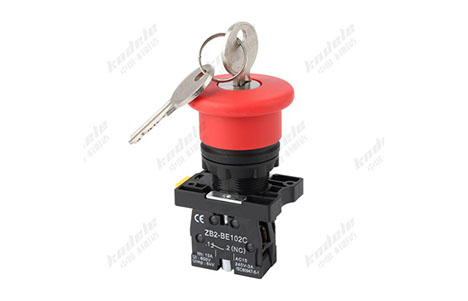
Benefits of Using Push Buttons with Indicator Lamps in Control Systems

Introduction

In modern industrial and commercial control systems, push buttons with indicator lamps are more than simple switches—they provide control functionality and instant visual feedback, improving operational efficiency and safety.
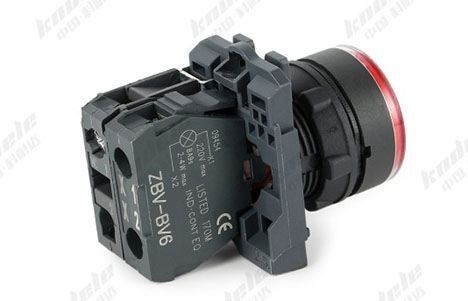
What Are Push Buttons with Indicator Lamps?

A push button with an indicator lamp is a device that combines a push button actuator with a visual signaling lamp. When pressed, the button sends a signal to the control system, while the lamp illuminates to indicate the status of the machine, process, or system.

These devices are widely used in control panels, industrial machinery, automation systems, and safety circuits, offering both manual operation and status monitoring

Key Benefits of Using Push Buttons with Indicator Lamps

Instant Visual Feedback

One of the main advantages is real-time visual feedback.

Operators can immediately see the status of a machine or process, such as whether it is running, stopped, or in a fault condition.

This reduces the risk of human error and allows for faster decision-making.

Enhanced Safety

Push buttons with indicator lamps improve safety in control systems:

The lamp clearly shows emergency stop activation, system faults, or abnormal operating conditions.

Operators can react quickly to prevent accidents, protecting both personnel and equipment.

Simplified System Monitoring

Using these devices in control panels simplifies system monitoring:

Instead of checking multiple devices or digital displays, operators can quickly glance at indicator lamps to assess the system status.

This is especially useful in large-scale industrial automation, where dozens of machines may be monitored simultaneously.

Operational Efficiency

Push buttons with lamps allow for faster and more efficient control:

Immediate feedback reduces downtime caused by uncertainty or delayed responses.

They also help in process control and coordination, ensuring smooth workflow in production lines.

Versatility in Application

These push buttons are highly versatile:

Suitable for AC and DC circuits.

Compatible with PLC and SCADA systems, allowing integration into automated control networks.

Available in various colors, mounting types, and sizes, adapting to different industrial needs.

Durability and Reliability

Industrial-grade push buttons with indicator lamps are designed to withstand harsh environments:

Resistant to dust, moisture, vibration, and high temperatures.

LED lamps provide long-lasting illumination, reducing maintenance frequency.

Ease of Maintenance and Troubleshooting

Indicator lamps make it easier to identify faults or operational issues.

Technicians can quickly detect which system or process requires attention, minimizing downtime and maintenance costs.

Common Applications in Control Systems

Industrial Automation Panels: Show operational status of machines or processes.

Safety and Emergency Circuits: Indicate emergency stop activation or system faults.

Process Control: Start, stop, or reset processes while providing status feedback.

Equipment Monitoring: Signal machine readiness, overload, or maintenance requirements.

Conclusion

Push buttons with indicator lamps are essential components in modern control systems. Their combination of control functionality and instant visual feedback enhances safety, efficiency, and reliability. By providing clear operational signals and simplifying system monitoring, these devices are indispensable in industrial automation, manufacturing, and safety applications.

Investing in high-quality push buttons with indicator lamps ensures streamlined operations, reduced downtime, and improved system safety.

FAQ

Q1: Can push buttons with indicator lamps be used in outdoor or harsh environments?
Yes, industrial-grade models often have IP ratings for dust and water resistance and can operate in harsh conditions.

Q2: What is the difference between LED and incandescent indicator lamps?
LEDs are more energy-efficient, durable, and longer-lasting, while incandescent lamps offer brighter light but have a shorter lifespan.

Q3: Are push buttons with indicator lamps compatible with PLC systems?
Yes, they can be integrated with PLC and SCADA systems for automated control and monitoring.
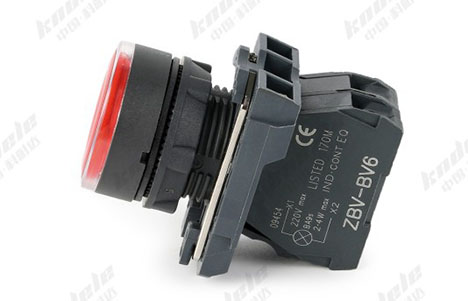
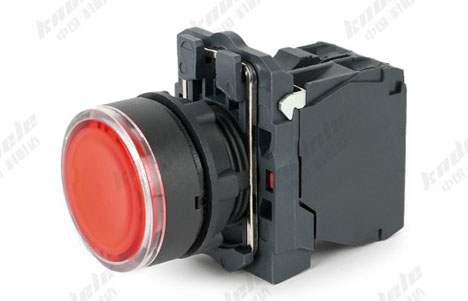
Top Applications of Push Buttons with Indicator Lamps in Industrial Automation

Introduction

Push buttons with indicator lamps are essential components in industrial automation systems. They provide both control functionality and visual feedback, making them indispensable for operators and engineers who need reliable and immediate system status information.

What Are Push Buttons with Indicator Lamps?

A push button with an indicator lamp is a switch that combines a standard push button with a visual signal. When pressed, the button sends a control signal, while the lamp lights up to indicate the status of the connected system, such as “ON,” “OFF,” or “fault.”

These devices are widely used in control panels, machinery, and industrial equipment, providing both operational control and instant feedback for safety and efficiency

Top Applications in Industrial Automation

Machine Start and Stop Control

Push buttons with indicator lamps are commonly used to start or stop industrial machines.

Example: Pressing a green push button starts a conveyor belt, while the lamp lights up to show the system is running.

This instant visual feedback helps operators avoid accidental machine activation or shutdown, improving safety and efficiency.

Status Indication in Control Panels

Control panels often use push buttons with lamps to indicate machine or system status:

Red Lamp: Fault or emergency stop condition.

Green Lamp: Normal operation.

Yellow/Amber Lamp: Warning or maintenance required.

This application allows operators to monitor multiple machines at a glance, reducing downtime and operational errors.

Emergency Stop (E-Stop) Systems

In industrial safety systems, push buttons with indicator lamps serve as emergency stop controls:

Pressing the button halts equipment immediately, while the lamp signals an emergency state.

This ensures rapid response in hazardous situations, protecting both personnel and machinery.

Process Control in Manufacturing

In automated production lines, push buttons with indicator lamps are used for process control and monitoring:

Operators can start, pause, or stop a specific production process.

Indicator lamps show machine readiness, process completion, or fault detection.

Common in packaging lines, robotic assembly, and CNC machining.

Equipment Reset and Fault Acknowledgment

Push buttons with lamps are also used for resetting equipment or acknowledging alarms:

After a fault or error occurs, pressing the button resets the system, while the lamp provides confirmation of reset success.

This ensures smooth production continuity and prevents repeated errors.

Integration with Automated Control Systems

Push buttons with indicator lamps can be integrated into PLC (Programmable Logic Controller) and SCADA systems:

Operators can interact directly with the machine interface.

The lamp’s status is often linked to real-time process variables, allowing quick diagnosis and control.

Advantages of Using Push Buttons with Indicator Lamps in Automation

Visual Feedback: Immediate indication of machine status.

Enhanced Safety: Reduces human error and prevents accidents.

Operational Efficiency: Streamlines control of complex machinery.

Versatility: Suitable for various voltage levels, mounting types, and industrial environments.

Durability: Designed to withstand harsh industrial conditions, including dust, moisture, and vibration.

Conclusion

Push buttons with indicator lamps play a crucial role in industrial automation, offering both control and feedback in one compact device. From starting machinery to signaling faults and integrating with advanced control systems, these components enhance safety, efficiency, and reliability across industrial operations.

Investing in high-quality push buttons with indicator lamps ensures smooth operation, reduces downtime, and provides clear visual feedback, making them a must-have for modern automated facilities.

FAQ

Q1: Can push buttons with indicator lamps be used in hazardous environments?
Yes, industrial-grade models with proper IP ratings and certifications are designed for dust, water, and explosion-prone environments.

Q2: What colors of indicator lamps are typically used in industrial automation?

Red: Emergency or fault

Green: Normal operation

Yellow/Amber: Warning or maintenance

Blue/White: Special functions or auxiliary signals

Q3: Are LED lamps better than incandescent lamps in push buttons?
Yes, LEDs are more energy-efficient, durable, and long-lasting, making them ideal for continuous industrial operation.

What Is a Push Button with Indicator Lamp? Definition and Working Principle

Introduction

Push buttons with indicator lamps are widely used components in industrial control systems, machinery, and electrical panels. They combine the functionality of a standard push button with a visual signal, making them essential for operators who need instant feedback on system status.

Definition of a Push Button with Indicator Lamp

A push button with indicator lamp is a device that integrates a mechanical or electronic push button with an indicator lamp. The push button allows a user to start, stop, or control a device, while the indicator lamp provides a visual signal to show the status of the equipment, such as “ON,” “OFF,” or a fault condition.

Key components include:

Button actuator: The part that is pressed by the operator.

Indicator lamp: Often LED or incandescent, it illuminates to provide a visual signal.

Contacts or switches: Connects the button to the electrical circuit to trigger an action.

Housing and mounting: Protects internal components and ensures secure installation on control panels.

How a Push Button with Indicator Lamp Works

The working principle is simple yet highly effective for industrial control:

Normal Operation

When the button is not pressed, the lamp can either be off (indicating “inactive”) or on (depending on wiring).

Button Pressed

Pressing the button closes or opens the internal electrical contacts, sending a signal to the connected device or system.

Simultaneously, the indicator lamp may light up to show the action has been executed (e.g., a machine has started).

Feedback Function

The lamp serves as instant visual feedback. For example, a green lamp may indicate normal operation, while a red lamp may indicate a warning or fault.

Types of Push Buttons with Indicator Lamps

Push buttons can vary based on actuator type, lamp type, and operation:

By Lamp Type

LED indicator: Energy-efficient, long-lasting, commonly used in modern systems.

Incandescent lamp: Traditional, offers bright illumination but shorter lifespan.

By Operation Type

Momentary push button: Returns to original position after being pressed.

Latching push button: Stays in pressed position until pressed again.

By Panel Mounting

Front panel mount: Standard for control panels.

Flush mount: For sleek, space-saving designs.

Applications of Push Buttons with Indicator Lamps

Industrial Automation: Start/stop motors, conveyor belts, or robotic arms.

Control Panels: Indicate system status or operational mode.

Safety Systems: Provide warnings for faults, overheating, or emergency stop conditions.

Consumer Electronics: Used in appliances or devices requiring status indication.

Advantages of Using Push Buttons with Indicator Lamps

Instant Visual Feedback: Operators immediately know the system status.

Improved Safety: Reduces the risk of human error in machinery operation.

Versatility: Can be integrated into almost any electrical or electronic control system.

Durability: Industrial-grade models withstand harsh conditions.

Conclusion

A push button with an indicator lamp is more than just a simple switch. It combines control and feedback, enhancing efficiency, safety, and usability in industrial and commercial applications. Whether you are designing a control panel or upgrading machinery, understanding the working principle and selecting the right type of push button with indicator lamp is critical for reliable operation.

FAQ

Q1: Can a push button with an LED lamp work on AC and DC circuits?
Yes, depending on the button’s design and voltage rating, it can operate on both AC and DC circuits. Always check the manufacturer specifications.

Q2: What colors are available for indicator lamps?
Common colors include red, green, yellow, blue, and white, each often used to indicate different statuses.

Q3: Are LED indicator lamps better than incandescent ones?
LEDs are more energy-efficient, last longer, and are more durable, making them the preferred choice in most modern systems.

Safety Advantages of Using Normally Closed Push Button Switches

Introduction

In industrial control systems and safety-critical applications, the choice of switching components can directly impact operator safety and equipment protection. One widely adopted safety solution is the Normally Closed (NC) push button switch. Its design and operating logic make it especially suitable for emergency stops, machine protection, and fail-safe control circuits.

Fail-Safe Operation by Design

The most important safety advantage of an NC push button switch is its fail-safe behavior. In the normal state, the circuit is closed and continuously monitored. If any failure occurs—such as a broken wire, loose terminal, or switch damage—the circuit opens automatically.

This ensures that:

Equipment shuts down safely during faults

Hidden electrical failures are detected immediately

Unsafe machine operation is prevented

Immediate Power Interruption in Emergencies

When an NC push button is pressed, the electrical circuit opens instantly, cutting off power or control signals without delay. This rapid response is critical in emergency situations where seconds—or even milliseconds—can prevent serious injury or damage.

NC push buttons are therefore ideal for:

Emergency stop (E-stop) systems

Hazardous machinery shutdown

Operator safety controls

Continuous Circuit Integrity Monitoring

Because NC circuits remain closed during normal operation, they continuously verify that all wiring and contacts are intact. Any interruption in the circuit—intentional or accidental—results in system shutdown.

This provides:

Early detection of wiring faults

Higher system reliability

Reduced risk of undetected failures

Compliance with International Safety Standards

Normally Closed push button switches are strongly recommended or required by international safety standards, including:

IEC 60204-1 – Safety of machinery (electrical equipment)

ISO 13850 – Emergency stop function

EN 418 – Emergency stop devices

These standards emphasize NC contacts with positive opening action to ensure reliable safety performance.

Prevention of Accidental or Automatic Restart

After activation, an NC push button keeps the circuit open until it is manually reset. This prevents machines from restarting automatically after power restoration or fault recovery.

This feature:

Protects maintenance personnel

Ensures hazards are addressed before restart

Reduces the risk of unexpected machine motion

Reliable Performance in Harsh Industrial Environments

NC push button switches used in safety applications are designed to withstand:

Vibration and mechanical shock

Dust, moisture, and oil

Temperature extremes

Their robust construction and simple mechanical design contribute to long-term reliability in demanding industrial environments.

Clear and Intuitive Safety Function

The behavior of NC push button switches aligns with operator expectations:

Pressing the button always stops the system

Releasing the button does not automatically restart the machine

This intuitive operation reduces human error during emergency situations.

Suitable for Series Wiring in Safety Circuits

NC push button switches can be wired in series across multiple safety points. Pressing any one switch opens the circuit and stops the entire system.

This design:

Expands safety coverage

Simplifies control logic

Enhances overall system protection

Reduced Risk of Electrical and Mechanical Damage

By stopping equipment immediately during faults or emergencies, NC push button switches help prevent:

Motor overload and overheating

Mechanical collisions or jams

Secondary damage to connected systems

This not only improves safety but also extends equipment lifespan.

Conclusion

The safety advantages of using Normally Closed push button switches make them a fundamental component in industrial control and protection systems. Their fail-safe design, rapid response, continuous monitoring, and compliance with safety standards ensure reliable protection for both personnel and equipment.

For any safety-critical application—especially emergency stop circuits—NC push button switches remain the preferred and trusted choice.

Why NC Push Button Switches Are Widely Used in Emergency Stop Circuits

Introduction

Emergency stop (E-stop) systems are a critical part of industrial safety, designed to immediately shut down machinery in hazardous situations. One key component consistently used in these systems is the Normally Closed (NC) push button switch. But why is the NC configuration preferred over other types of switches?

Understanding Emergency Stop Circuits

An emergency stop circuit is designed to:

Immediately stop hazardous motion or power

Protect operators and equipment

Prevent further damage during emergencies

E-stop circuits must be reliable, fast-acting, and fail-safe, even in the event of component failure.

What Is an NC Push Button Switch?

A Normally Closed (NC) push button switch keeps the electrical circuit closed during normal operation. When the button is pressed, the contacts open, cutting off power or control signals.

Normal state: Circuit closed (machine can run)

Emergency press: Circuit opens (machine stops)

This operating logic is the foundation of safe emergency stop design.

Fail-Safe Design Principle

Automatic Shutdown on Failure

NC push button switches are inherently fail-safe. If a wire breaks, a terminal loosens, or the switch itself fails, the circuit opens—causing the machine to stop.

This ensures:

Continuous monitoring of circuit integrity

No “hidden failures” during operation

Immediate shutdown in unsafe conditions

In contrast, a Normally Open (NO) switch may fail without stopping the system.

Immediate and Reliable Power Interruption

When an NC E-stop button is pressed:

The circuit opens instantly

Control power is cut off

Motors, actuators, or control relays stop immediately

This fast response is essential in emergencies where milliseconds can prevent serious injury or equipment damage.

Compliance with Safety Standards

International safety standards require or strongly recommend NC contacts in emergency stop systems, including:

IEC 60204-1 (Safety of machinery – Electrical equipment)

ISO 13850 (Emergency stop function)

EN 418 (Emergency stop devices)

These standards emphasize:

Positive opening operation

NC contacts for stop functions

Reliable interruption of control circuits

Using NC push button switches helps ensure regulatory compliance and workplace safety certification.

Series Wiring for Multiple Emergency Stops

NC push button switches can be wired in series across multiple E-stop locations:

Pressing any button opens the circuit

All machines stop simultaneously

Simplified wiring and logic

This design improves safety coverage across large machines or production lines.

Clear and Intuitive Operation

NC emergency stop buttons are typically:

Large and easy to press

Red with a yellow background

Designed for immediate recognition

The NC contact ensures that pressing the button always results in stopping the machine, matching operator expectations in emergencies.

Reduced Risk of Unsafe Restart

After an emergency stop:

The NC circuit remains open

Manual reset is required

Accidental or automatic restart is prevented

This ensures machines only restart after the hazard has been properly addressed.

Long-Term Reliability in Industrial Environments

NC push button switches used in E-stop circuits are designed for:

High mechanical durability

Resistance to vibration, dust, and moisture

Consistent performance over long periods

Their simple mechanical design and continuous monitoring make them highly reliable in harsh industrial settings.

Conclusion

NC push button switches are widely used in emergency stop circuits because they provide fail-safe operation, immediate power interruption, and compliance with international safety standards. By keeping circuits closed during normal operation and opening them during emergencies—or failures—NC switches ensure maximum protection for personnel and equipment.

For any safety-critical application, the Normally Closed push button switch remains the industry-standard choice for emergency stop systems.

FAQ

Why are NC push button switches used instead of NO switches in emergency stops?

NC (Normally Closed) push button switches are fail-safe. If a wire breaks, a terminal loosens, or the switch fails, the circuit opens and the machine stops automatically. NO switches may fail without triggering a shutdown.

What happens when an NC emergency stop button is pressed?

When pressed, the NC contacts open immediately, cutting off control power or signals and stopping the machine or system without delay.

What does “fail-safe” mean in emergency stop circuits?

Fail-safe means that any failure condition results in a safe state. With NC switches, loss of power, broken wiring, or component failure causes the system to stop rather than continue running.

Are NC push button switches required by safety standards?

Yes. Standards such as IEC 60204-1, ISO 13850, and EN 418 require or strongly recommend NC contacts with positive opening action for emergency stop functions.

Can multiple NC emergency stop buttons be used in one circuit?

Yes. NC push button switches are commonly wired in series, allowing any emergency stop button to open the circuit and shut down the entire system.

Do NC emergency stop switches prevent accidental restart?

Yes. After activation, the NC circuit remains open and typically requires manual reset, preventing unintended or automatic restarts after an emergency.

What Is a Normally Closed (NC) Push Button Switch? Definition and Working Principle

Introduction

In electrical control systems and industrial automation, push button switches play a critical role in controlling circuits and ensuring operational safety. Among them, the Normally Closed (NC) push button switch is widely used in safety circuits, emergency stops, and control panels. Understanding how an NC push button switch works and why it is used is essential for engineers, technicians, and system designers.

What Is a Normally Closed (NC) Push Button Switch?

A Normally Closed (NC) push button switch is a type of momentary switch where the electrical circuit is closed (conducting current) in its default, unpressed state. When the button is pressed, the circuit opens, interrupting the current flow.

In simple terms:

Not pressed → Circuit ON

Pressed → Circuit OFF

This behavior is opposite to that of a Normally Open (NO) push button switch.

Basic Structure of an NC Push Button Switch

An NC push button switch typically consists of the following components:

Actuator (Button Head): The part pressed by the operator

Spring Mechanism: Returns the button to its original position after release

Contact Block: Contains the normally closed electrical contacts

Housing: Protects internal components and provides mounting support

When the button is not pressed, the internal contacts remain closed, allowing current to pass through the circuit.

Working Principle of a Normally Closed Push Button Switch

The working principle of an NC push button switch is straightforward:

Normal State (Unpressed):

Contacts are closed

Electrical current flows through the circuit

Pressed State:

The actuator pushes the contact mechanism apart

Contacts open and interrupt the circuit

Power is cut off or a control signal is stopped

Released State:

The spring returns the button to its original position

Contacts close again

Circuit resumes operation

This simple yet reliable mechanism makes NC push button switches ideal for safety-related functions.

Why Use a Normally Closed Push Button Switch?

Fail-Safe Operation

NC push button switches are commonly used in safety circuits because they are fail-safe. If a wire breaks or the switch fails, the circuit opens automatically, stopping the system.

Immediate Power Interruption

Pressing the button instantly cuts off current, making NC switches ideal for emergency stop (E-stop) functions.

High Reliability

With a simple mechanical design and continuous circuit monitoring, NC push button switches offer dependable performance in industrial environments.

Common Applications of NC Push Button Switches

Normally Closed push button switches are widely used in:

Emergency stop systems

Machine safety circuits

Industrial control panels

Motor control and protection circuits

Alarm and shutdown systems

In many machines, NC push buttons are wired in series to ensure that pressing any button immediately stops the system.

NC vs NO Push Button Switch (Brief Comparison)

Feature NC Push Button NO Push Button
Default State Circuit closed Circuit open
Action When Pressed Opens circuit Closes circuit
Typical Use Safety, emergency stop Start, activation
Fail-Safe Behavior Yes No


Conclusion

A Normally Closed (NC) push button switch is a vital component in electrical and industrial control systems, especially where safety and reliability are critical. By keeping the circuit closed under normal conditions and opening it when pressed, NC push buttons provide fail-safe protection, fast response, and dependable control.

Understanding their definition and working principle helps ensure correct selection, wiring, and application in automation and electrical systems.

FAQ

What does “Normally Closed (NC)” mean in a push button switch?

“Normally Closed” means that the electrical contacts are closed and conducting current when the button is not pressed. Pressing the button opens the circuit and stops the current flow.

How does an NC push button switch work?

An NC push button switch allows current to flow in its normal state. When the button is pressed, the internal contacts separate, breaking the circuit. When released, a spring mechanism returns the button to its original position and the circuit closes again.

Why are NC push button switches used in emergency stop circuits?

NC push button switches are fail-safe. If a wire breaks, power is lost, or the switch fails, the circuit opens automatically, stopping the machine. This makes them ideal for emergency stop (E-stop) and safety applications.

What is the difference between an NC and an NO push button switch?

NC (Normally Closed): Circuit is ON by default, OFF when pressed

NO (Normally Open): Circuit is OFF by default, ON when pressed

NC switches are typically used for safety and stop functions, while NO switches are used for start or activation functions.

Are NC push button switches safer than NO switches?

Yes, in safety-critical applications. NC switches continuously monitor circuit integrity, so any failure (broken wire, loose terminal) causes the system to shut down, reducing the risk of accidents.