
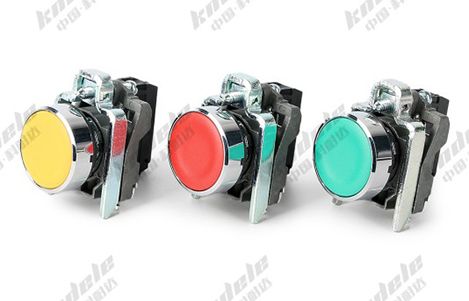
What Is a Flat Style Push Button Momentary Switch and How Does It Work?

Introduction

In modern electronics and industrial control systems, user interface components are evolving toward more compact, efficient, and aesthetically clean designs. One such component is the flat style push button momentary switch, a low-profile solution that combines functionality with modern design.

What Is a Flat Style Push Button Momentary Switch?

A flat style push button momentary switch is a type of switch designed with a low-profile (flush or nearly flush) actuator. Unlike traditional raised buttons, the flat surface sits level with or slightly above the panel, offering a sleek and minimalist appearance.

As a momentary switch, it only remains active while being pressed. Once the user releases the button, it automatically returns to its original state.

Key characteristics include:

Flat or flush actuator design

Momentary operation (spring return mechanism)

Compact and space-saving structure

Clean and modern appearance

How Does It Work?

The working principle of a flat style push button momentary switch is based on a simple mechanical and electrical process.

Default State (Open or Closed)

Most flat push button switches are available in:

Normally Open (NO): Circuit is open until pressed

Normally Closed (NC): Circuit is closed until pressed

Actuation (Button Press)

When the button is pressed:

The actuator moves downward

Internal contacts either close (NO) or open (NC)

Electrical current flows (or stops) depending on the configuration

This action is typically supported by a spring mechanism inside the switch.

Release (Return to Original State)

Once the button is released:

The internal spring pushes the actuator back

Contacts return to their default position

The circuit returns to its original state

This is why it is called a momentary switch—it only changes state temporarily.

Key Components of the Switch

A flat style push button momentary switch consists of several essential parts:

Actuator (Button): The flat surface pressed by the user

Spring Mechanism: Returns the button to its original position

Contacts: Conduct or interrupt electrical current

Housing: Protects internal components

Terminals: Connect the switch to the circuit

Each component plays a role in ensuring reliable and consistent operation.

Advantages of Flat Style Design

Space-Saving and Compact

The low-profile design makes these switches ideal for applications where space is limited, such as compact control panels or handheld devices.

Modern Aesthetic

Flat switches provide a clean, minimalist look, making them popular in consumer electronics and modern industrial equipment.

Reduced Accidental Activation

Because the button does not protrude significantly, it is less likely to be pressed unintentionally.

Easy Cleaning and Maintenance

The flat surface is easier to clean, especially in environments where hygiene or dust control is important.

Common Applications

Flat style push button momentary switches are widely used in:

Industrial control panels

Consumer electronics (home appliances, smart devices)

Medical equipment

Automotive dashboards

Access control systems

Their combination of functionality and design flexibility makes them suitable for both industrial and commercial use.

Design Considerations

When selecting a flat style push button momentary switch, consider the following:

Electrical ratings: Voltage and current capacity

Mounting type: Panel mount or PCB mount

Material: Plastic or metal housing

IP rating: Protection against dust and water

Actuation force: Required pressure to press the button

Illumination: LED indicators for status feedback

Choosing the right specifications ensures optimal performance and longevity.

Flat vs Traditional Push Button Switches

Feature Flat Style Traditional Raised
Profile Low/flush Raised
Aesthetics Modern Conventional
Accidental Press Less likely More likely
Space Efficiency High Moderate
Tactile Feedback Moderate Strong

Both types have their advantages, but flat style switches are increasingly preferred in modern designs.

Conclusion

A flat style push button momentary switch is a compact, efficient, and visually appealing solution for modern electrical and electronic systems. Its simple working principle—temporary activation through a spring-return mechanism—makes it reliable and easy to integrate into a wide range of applications.

As industries continue to prioritize space efficiency, user experience, and sleek design, flat push button switches are becoming an essential component in next-generation products.

FAQ

Q1: What does “momentary” mean in a push button switch?
A: It means the switch only changes state while being pressed and returns to its original state when released.

Q2: Are flat push button switches durable?
A: Yes, especially when made with high-quality materials and designed for industrial use.

Q3: Can flat style switches be waterproof?
A: Yes, many models come with IP65, IP67, or higher ratings for dust and water resistance.

Q4: Where are flat push button switches most commonly used?
A: They are widely used in control panels, consumer electronics, medical devices, and automotive systems.

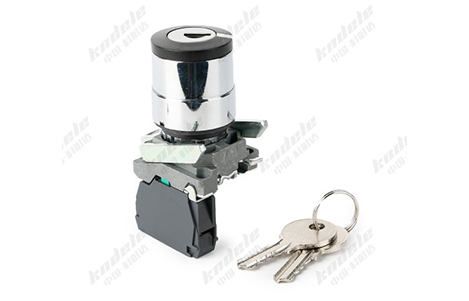
Innovations in Push Button Switch Design for Modern Industrial Applications

Introduction

As industrial systems become more advanced, the demand for smarter, safer, and more durable control components continues to grow. The push button switch, once a simple mechanical device, has evolved significantly to meet the needs of modern automation, smart manufacturing, and Industry 4.0 environments.

The Changing Role of Push Button Switches

Traditionally, push button switches were used for basic on/off control in machinery and equipment. Today, they serve as critical interfaces between human operators and complex systems.

Modern requirements include:

Enhanced safety and reliability

Real-time system feedback

Integration with digital control systems

Long-term durability in harsh environments

To meet these demands, manufacturers are introducing innovative features and advanced technologies into switch design.

Smart and Connected Push Button Switches

One of the most significant innovations is the integration of smart technology.

Key features include:

Compatibility with PLCs and industrial automation systems

Integration with IoT (Internet of Things) platforms

Real-time monitoring of switch status

Remote diagnostics and predictive maintenance

These smart switches allow operators and engineers to monitor performance, detect faults early, and optimize system efficiency.

Advanced Materials for Enhanced Durability

Material innovation plays a major role in improving switch lifespan and reliability.

Modern materials include:

High-grade stainless steel for corrosion resistance

Flame-retardant engineering plastics (e.g., PA66, PC)

UV-resistant and chemical-resistant coatings

These materials enable switches to perform reliably in extreme environments such as:

Oil and gas facilities

Marine applications

Heavy industrial plants

Improved Sealing and High IP Ratings

Environmental protection has seen major improvements in recent designs.

Innovations include:

Multi-layer sealing systems

Precision-molded gaskets and O-rings

Fully enclosed internal contact structures

Many modern push button switches now achieve:

IP67 or IP68 ratings, ensuring protection against dust and water immersion

This makes them ideal for outdoor and high-moisture environments.

Ergonomic and User-Centered Design

User experience is becoming increasingly important in industrial environments.

Design improvements include:

Larger and more responsive actuators

Tactile feedback for better operation control

Color-coded buttons for intuitive use

Mushroom head designs for emergency stops

These enhancements reduce operator fatigue, improve accuracy, and enhance workplace safety.

Illuminated and Multi-Color LED Indicators

Visual feedback is critical in modern control systems.

Innovative features:

Built-in LED illumination

Multi-color status indication (e.g., green for normal, red for fault)

Energy-efficient lighting with long lifespan

Illuminated push buttons help operators quickly understand system status, especially in low-light or high-noise environments.

Modular and Customizable Designs

Flexibility is another key trend in push button switch innovation.

Modular systems allow:

Easy replacement of components

Customization of actuator type, color, and labeling

Selection of different contact configurations (NO/NC combinations)

This adaptability is especially valuable for OEM manufacturers and large-scale industrial projects.

Enhanced Electrical Performance

Modern push button switches are designed to handle more demanding electrical conditions.

Advancements include:

Improved contact materials (e.g., silver alloys) for better conductivity

Reduced contact resistance

Higher current and voltage ratings

Better arc suppression technologies

These improvements ensure stable and reliable performance in high-load applications.

Integration with Safety Systems

Safety remains a top priority in industrial environments.

Innovations supporting safety:

Compliance with international standards (CE, UL, RoHS)

Integration with safety relays and emergency stop systems

Anti-misoperation features (protective covers, locking mechanisms)

These features help prevent accidents and ensure compliance with safety regulations.

Miniaturization and Space Optimization

As control panels become more compact, switch designs are also evolving.

Key trends:

Smaller form factors without compromising performance

High-density panel layouts

PCB-mounted push button switches for compact electronics

Miniaturization allows designers to optimize space while maintaining functionality.

Sustainability and Energy Efficiency

Sustainability is becoming an important consideration in industrial design.

Eco-friendly innovations include:

Use of recyclable materials

Energy-efficient LED indicators

Longer product lifespans to reduce waste

These improvements support environmentally responsible manufacturing practices.

Applications in Modern Industry

Innovative push button switches are widely used in:

Industrial automation systems

Smart manufacturing (Industry 4.0)

Control panels and switchgear

Transportation systems

Renewable energy installations

Their enhanced functionality and reliability make them indispensable in modern industrial infrastructure.

Conclusion

The evolution of push button switch design reflects the broader transformation of industrial technology. From smart connectivity and advanced materials to ergonomic design and enhanced safety features, modern push button switches are far more than simple control devices.

By adopting these innovations, industries can achieve greater efficiency, improved safety, and long-term reliability in their operations.

FAQ

Q1: What is a smart push button switch?
A: It is a switch integrated with digital systems, allowing monitoring, diagnostics, and communication with automation platforms.

Q2: Why are LED push buttons popular in industrial applications?
A: They provide clear visual feedback, improve usability, and enhance safety.

Q3: How do modern switches improve safety?
A: Through better materials, protective designs, compliance with standards, and integration with safety systems.

Q4: Are customizable push button switches worth it?
A: Yes, they allow better alignment with specific application needs, improving efficiency and user experience.

Durability and Lifespan of Normally Open Push Button Switches in Harsh Environments

Introduction

In demanding industrial and outdoor applications, electrical components must endure far more than simple on/off operations. Exposure to dust, moisture, vibration, and extreme temperatures can significantly impact performance. Among these components, the Normally Open (NO) push button switch is widely used for control and signaling—but how well does it perform under harsh conditions?

What Defines a Harsh Environment?

A “harsh environment” refers to any condition that can accelerate wear or compromise electrical performance. Common challenges include:

Extreme temperatures (high heat or freezing conditions)

Dust and debris (construction sites, factories)

Moisture and water exposure (outdoor installations, marine use)

Chemical exposure (oil, solvents, corrosive agents)

Mechanical stress (vibration, shock, frequent use)

Switches used in these environments must be engineered for resilience and long-term reliability.

Key Factors Affecting Durability

Material Selection

The materials used in a push button switch directly influence its resistance to environmental stress.

Common high-durability materials:

Stainless steel: Corrosion-resistant and ideal for marine or chemical environments

Engineering plastics (e.g., PA66, polycarbonate): Lightweight, impact-resistant, and flame-retardant

Silicone seals: Provide excellent waterproofing and temperature resistance

High-quality materials prevent degradation and extend the switch’s operational life.

Ingress Protection (IP Rating)

A switch’s IP rating indicates its resistance to dust and water.

Typical ratings for harsh environments:

IP65: Dust-tight and protected against water jets

IP67: Suitable for temporary immersion in water

IP68: Designed for prolonged water exposure

Choosing the correct IP rating is critical for outdoor or high-moisture applications.

Mechanical Life Cycle

Mechanical life refers to the number of times a switch can be actuated before failure.

Standard switches: 100,000 – 500,000 cycles

Industrial-grade switches: 1,000,000+ cycles

For high-frequency use, selecting a high-cycle-life model ensures long-term reliability.

Electrical Endurance

Electrical lifespan depends on how well the contacts handle current and voltage over time.

Factors influencing electrical wear:

Arc formation during switching

Contact material (e.g., silver alloy for better conductivity)

Load type (resistive vs. inductive)

Properly rated switches reduce contact degradation and maintain stable performance.

Sealing and Internal Protection

Effective sealing is essential to prevent contaminants from entering the switch.

Key protective features:

Rubber or silicone gaskets

O-ring seals

Fully enclosed contact systems

These elements protect internal components from dust, moisture, and chemicals.

Temperature Resistance

High-quality NO push button switches are designed to operate across wide temperature ranges, typically:

-25°C to +85°C (standard industrial range)

Extended ranges for specialized applications

Temperature-resistant materials ensure consistent performance without deformation or failure.

Vibration and Shock Resistance

In environments such as transportation, heavy machinery, or industrial automation, vibration is unavoidable.

Durable switches feature:

Reinforced housings

Secure mounting systems

Anti-loosening internal structures

These design elements prevent mechanical failure and ensure stable operation over time.

How to Extend the Lifespan of Push Button Switches

Even the most durable switch benefits from proper usage and installation.

Best practices include:

Selecting the correct electrical rating for the load

Using protective enclosures when necessary

Avoiding overloading or misuse

Performing regular inspections and maintenance

Choosing higher IP-rated switches for outdoor use

Proper selection and maintenance can significantly extend operational life.

Typical Applications in Harsh Environments

Normally Open push button switches are widely used in:

Industrial control panels

Outdoor equipment (construction machinery, traffic systems)

Marine and offshore systems

Oil and gas facilities

Mining operations

In these applications, durability is not just a benefit—it is essential.

Signs of Wear and When to Replace

Over time, even high-quality switches may show signs of wear.

Common indicators:

Delayed or inconsistent response

Physical damage or corrosion

Reduced tactile feedback

Intermittent electrical contact

Replacing worn switches promptly helps prevent system failures and safety risks.

Conclusion

The durability and lifespan of Normally Open push button switches in harsh environments depend on a combination of material quality, robust design, and proper application. Features such as high IP ratings, reliable sealing, and long mechanical life cycles are essential for ensuring consistent performance under extreme conditions.

By selecting the right switch and following best practices for installation and maintenance, you can improve system reliability, reduce downtime, and extend the life of your electrical components.

FAQ

Q1: What is the most important factor for durability in harsh environments?
A: IP rating and material quality are the most critical factors for environmental protection.

Q2: How long do industrial push button switches typically last?
A: High-quality switches can exceed 1 million cycles, depending on usage and conditions.

Q3: Are metal switches better than plastic ones?
A: Metal switches offer superior durability and corrosion resistance, but high-grade plastics can also perform well in many applications.

Q4: Can push button switches be waterproof?
A: Yes, switches with IP67 or IP68 ratings are designed to resist water and temporary immersion.