


The evolution of industrial automation has transformed even the simplest components into smart, connected devices. Smart indicator lights are a prime example of this trend, combining traditional visual signaling with IoT connectivity and remote monitoring capabilities. These innovations improve efficiency, safety, and predictive maintenance in modern industrial systems.
 What Are Smart Indicator Lights?
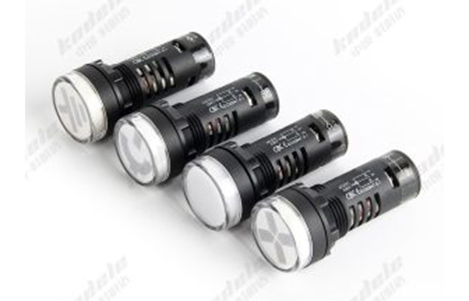
Smart indicator lights are advanced visual signaling devices that integrate LED technology, sensors, and network connectivity. Unlike conventional indicator lights, smart indicators can communicate real-time status information to centralized monitoring systems, providing more than just local visual cues.
Key Features:
LED-based for energy efficiency and longevity
Connectivity with PLCs, SCADA systems, or IoT platforms
Programmable color and blinking patterns
Real-time alerts for faults, maintenance needs, or operational changes
Smart indicator lights can transmit operational data over wired or wireless networks, enabling operators and managers to:
Monitor machine status remotely
Track process performance
Receive instant alerts for abnormal conditions
This reduces the need for physical inspections and allows quicker response to issues.
By integrating with PLC, SCADA, and IoT platforms, smart indicator lights become part of a larger ecosystem:
Automatically signal faults or maintenance requirements
Trigger notifications to mobile devices or control rooms
Enhance coordination between machines and operators
Some smart indicators can track operating hours, temperature, or voltage fluctuations, providing data that helps predict failures before they happen. This predictive approach reduces downtime and improves overall operational efficiency.
| Advantage | Description |
| Remote Visibility | Monitor equipment status without being physically present on-site. |
| Enhanced Safety | Early detection of faults prevents accidents and system damage. |
| Reduced Downtime | Real-time alerts enable faster corrective actions. |
| Energy Efficiency | LED technology minimizes power consumption while providing bright, reliable signals. |
| Data-Driven Maintenance | Integration with IoT platforms supports predictive maintenance strategies. |
Industrial Automation – Smart indicator lights integrated with PLCs or SCADA systems for process monitoring
Smart Factories – Real-time alerts for operational efficiency and predictive maintenance
Energy Management Systems – Visual and remote monitoring of electrical circuits and equipment
Robotics and Automated Lines – Multi-color smart indicators signal operational stages, errors, or downtime
Remote Facilities – Reduce the need for on-site inspections in geographically dispersed operations
Choose Compatible Devices – Ensure smart indicators are compatible with your network protocol (Modbus, MQTT, Ethernet/IP, etc.).
Standardize Color Codes – Maintain clarity with conventional signaling (green = normal, red = fault, yellow = warning).
Plan for Network Security – Protect IoT-enabled devices from unauthorized access.
Integrate with Monitoring Dashboards – Visualize indicator status alongside other industrial metrics for faster decision-making.
Maintain Regular Calibration and Firmware Updates – Ensure reliable operation and security of connected devices.
Smart indicator lights are revolutionizing the way industrial facilities and automation systems manage equipment status. By combining LED efficiency, IoT connectivity, and remote monitoring, these devices provide real-time visibility, predictive maintenance capabilities, and enhanced safety.
For manufacturers and industrial operators, adopting smart indicator lights means faster response times, lower downtime, and a more data-driven approach to operations, transforming simple visual indicators into powerful tools for modern industrial management.
Q1: How are smart indicator lights different from traditional LEDs?
A: They offer IoT connectivity, real-time monitoring, programmable signals, and integration with automation systems, unlike standard LEDs that provide only local visual cues.
Q2: Can smart indicator lights work in harsh industrial environments?
A: Yes, high-quality smart indicators are designed for industrial temperatures, vibration, dust, and moisture, ensuring reliable operation.
Q3: What network protocols are commonly supported by smart indicator lights?
A: Common protocols include Modbus, MQTT, Ethernet/IP, and proprietary industrial IoT protocols, depending on the manufacturer.

