


An AC power indicator light is a small yet vital component in electrical systems, offering a visual signal that indicates whether a circuit or device is energized. Selecting the right indicator light is essential for safety, efficiency, and system reliability. With so many types, voltages, and mounting options available, making the right choice can seem overwhelming.
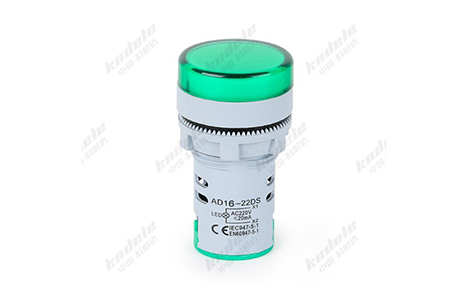 Determine the Voltage Rating
The first step is to match the indicator light to the AC voltage of your system. Using an incorrect voltage rating can damage the light or cause it to malfunction. Common voltage ratings include:
110–120V AC – Typically for household or low-voltage equipment
220–240V AC – Standard for industrial and commercial systems
380–415V AC – Used in three-phase or high-voltage applications
Always check your system specifications before selecting a voltage rating.
Energy-efficient and long-lasting
Bright and highly visible
Available in multiple colors
Ideal for modern industrial systems
Simple, reliable design
Soft orange or red glow
Low power consumption
Commonly used in older machinery or panels
Your choice depends on your application’s visibility requirements, energy efficiency, and modern compatibility.
AC power indicator lights come in various mounting options to fit panels, control boxes, or equipment:
Panel-Mount – Installed directly on control panels; standard sizes include 8mm, 12mm, 16mm, and 22mm
PCB-Mount – For integration directly onto printed circuit boards
Flush or Surface Mount – Depending on design and space requirements
Choosing the right mounting style ensures secure installation and easy maintenance.
Different colors help convey information quickly:
Red: Power ON, warning, or fault
Green: Normal operation or ready status
Yellow/Amber: Standby, caution, or intermediate status
Blue: Special functions or auxiliary circuits
Color coding improves operational safety and helps technicians identify system status at a glance.
Your AC power indicator light must match the environmental conditions of your installation:
IP Rating: For dust or water protection (e.g., IP65 for outdoor or harsh environments)
Temperature Range: Ensure the light can operate safely within your system’s temperature conditions
Vibration Resistance: Important in industrial machinery or mobile equipment
Selecting a robust indicator light enhances reliability and lifespan.
Some AC power indicator lights include:
Built-in resistors or rectifiers for LED operation
Voltage-independent designs for multiple AC ranges
Dual-color LEDs to indicate multiple statuses (e.g., red/green)
Consider these features if your application requires advanced functionality or multiple status signals.
Ensure the AC power indicator light meets electrical safety standards (UL, CE, RoHS, etc.) and is from a reliable manufacturer. Quality assurance ensures safety, long-term reliability, and regulatory compliance.
Choosing the right AC power indicator light involves understanding your system’s voltage, environmental conditions, mounting requirements, and visibility needs. Whether you are designing an industrial control panel, a distribution box, or machinery, selecting the appropriate indicator light improves safety, operational efficiency, and maintenance convenience.
By carefully considering voltage ratings, LED vs. neon options, mounting styles, color coding, and environmental factors, you can select an AC power indicator light that perfectly fits your application.
No. Using a lower-voltage indicator light on a higher-voltage circuit can damage the light, create fire hazards, and cause malfunction. Always match the voltage rating to your system.
2.Should I choose LED or neon for my application?
LED indicators are energy-efficient, bright, and long-lasting, suitable for modern industrial or commercial systems.
Neon indicators are simple, reliable, and suitable for low-power or older equipment. Your choice depends on visibility, energy requirements, and equipment compatibility.
3.What does the color of an indicator light mean?
Red: Power ON or warning
Green: Normal operation
Yellow/Amber: Standby or caution
Blue: Special functions or auxiliary circuits
4.How do I know which mounting style to choose?
Panel-mount is common for control panels and distribution boxes.
PCB-mount integrates directly onto circuit boards.
Flush or surface mount depends on space and design requirements.
5.Do AC power indicator lights work in harsh environments?
Yes, if you choose lights with proper IP ratings for dust/water protection and check the temperature and vibration tolerance to match your environment.
6.Are dual-color or multi-function indicator lights available?
Yes. Some LED indicators can show multiple statuses (e.g., red/green) or indicate AC power across different ranges, which is useful for complex systems.

