


In the era of Industry 4.0, automation has become a key driver of efficiency, accuracy, and productivity. Among the critical components that make automation possible, photoelectric switches stand out as versatile and reliable sensors. These non-contact devices detect objects, measure distances, and trigger control signals, making them essential in modern industrial operations. In this article, we explore the top advantages of using photoelectric switches in industrial automation and why they are preferred over traditional sensing methods.
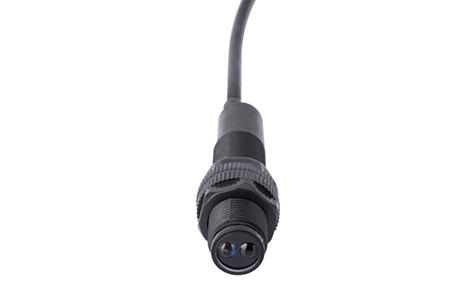 What Are Photoelectric Switches?
A photoelectric switch, also known as a photoelectric sensor, is an electronic device that uses light—infrared, visible, or laser—to detect the presence, absence, or distance of an object. Unlike mechanical switches that rely on physical contact, photoelectric switches operate without touching the target object, reducing wear and tear and improving operational reliability.
These sensors are widely used in industrial automation, including assembly lines, packaging systems, conveyor monitoring, robotic control, and safety applications.
One of the most significant advantages of photoelectric switches is that they operate without physical contact. This non-contact functionality:
Minimizes mechanical wear and maintenance requirements
Reduces the risk of damaging sensitive objects
Enhances sensor longevity and reliability
This makes them ideal for high-speed production environments where mechanical sensors would wear out quickly.
Photoelectric switches provide highly precise detection, even for small or fast-moving objects. With response times in milliseconds, they can:
Detect objects on high-speed conveyor belts
Trigger robotic arms for precise pick-and-place operations
Support real-time quality control checks
This high speed and accuracy are crucial for industries where precision directly affects product quality and efficiency.
Photoelectric switches can detect a wide range of materials and objects, including:
Transparent, opaque, or reflective objects
Small parts, liquids, or packaging materials
Irregularly shaped or moving items
Depending on the type—through-beam, retroreflective, or diffuse—they can be adapted to nearly any detection scenario in industrial automation.
Many industrial environments involve dust, moisture, heat, or vibrations. Photoelectric switches are designed to:
Operate reliably under extreme temperatures
Resist dust, oil, and other contaminants
Maintain stable performance in vibrating or moving equipment
This durability ensures minimal downtime and consistent production quality.
Compared to other sensors, photoelectric switches consume minimal power while providing high-performance detection. Their energy-efficient design is beneficial for:
Large-scale automated production lines
Energy-conscious factories and smart manufacturing facilities
Photoelectric switches are compact, lightweight, and easy to install. Most models offer simple wiring and mounting options, allowing them to be integrated seamlessly into existing automation systems. Minimal moving parts also reduce maintenance needs, lowering operational costs over time.
Photoelectric switches are used in various sectors, including:
Manufacturing: Object detection, part counting, assembly verification
Packaging: Monitoring fill levels, detecting missing items, ensuring alignment
Material Handling: Conveyor monitoring, sorting, and positioning
Safety Systems: Automated doors, anti-collision, and emergency shutdowns
Their versatility makes them a core component of industrial automation systems worldwide.
Q1: Can photoelectric switches detect transparent objects?
A: Yes, specialized sensors like polarized retroreflective or through-beam types can reliably detect transparent materials such as glass or plastic.
Q2: How do photoelectric switches differ from mechanical switches?
A: Unlike mechanical switches, photoelectric switches detect objects without physical contact, reducing wear, maintenance, and the risk of damage.
Q3: What factors should I consider when selecting a photoelectric switch?
A: Consider detection distance, object type, environmental conditions, response time, and mounting requirements.
Q4: Are photoelectric switches suitable for outdoor use?
A: Many models are designed with IP-rated housings to withstand dust, water, and temperature extremes, making them suitable for both indoor and outdoor industrial applications.
Photoelectric switches have become indispensable in industrial automation due to their non-contact operation, high precision, versatility, and durability. By integrating these sensors into production lines, manufacturers can enhance efficiency, reduce maintenance costs, and improve overall process reliability. Whether in manufacturing, packaging, material handling, or safety systems, photoelectric switches remain a cornerstone of modern automation technology.

