


In the modern electrical world, whether in industrial equipment, household appliances, or consumer electronics, the seemingly insignificant “push button switch” is the first line of defense ensuring the safe operation of the entire system. As a professional button switch manufacturer with decades of experience, we understand that safety is never an option; it is a mandatory commitment. Today, let’s delve into the main safety standards and certifications required for exporting button switches globally.
A safety certification is more than just a mark on a product or a piece of paper. It represents:
Different countries and regions have established different certification systems based on their development levels and regulatory frameworks. The following chart clearly illustrates the core certifications required for exporting button switches to major world regions:
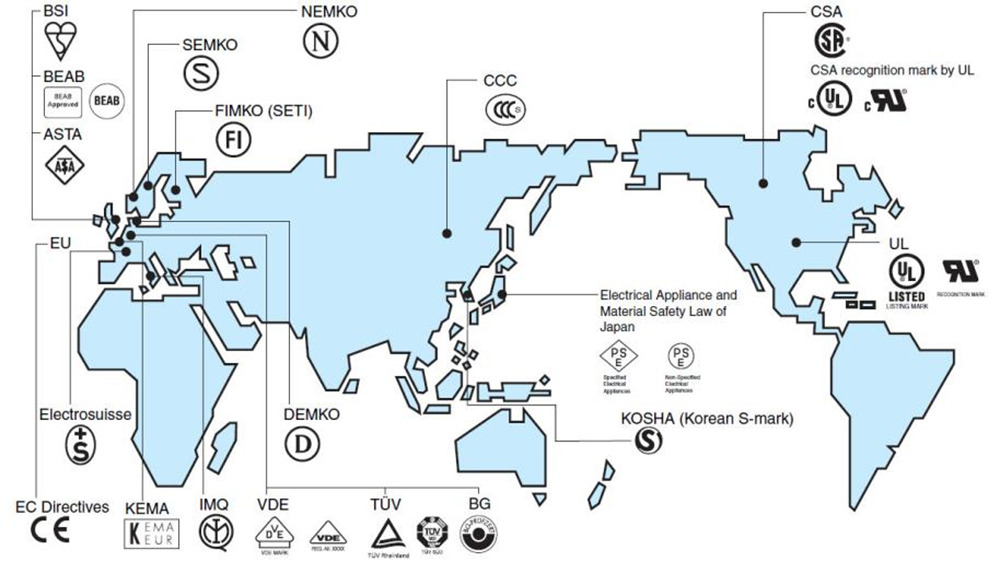
| Name | National Standards | Country | Description | Certification Body | Certification Mark |
| IEC | – | International | Technical electric standards based on the most recent scientific technology. Forms the basis for standards in other countries. | – | – |
| UL | ANSI Standards | United States | To prevent fires, standards are enforced for the sale of electric products in the USA by state and city. Components must also be certified. | UL |
|
| CSA | CSA Standards | Canada | North American safety standards are applied and operated to prevent fire accidents, in the same way as in the USA. | CSA |
|
| EU | EN Standards | Europe | Standards are designed to prevent electric shock and fires, but are not legally enforced. Enforcement is achieved through strict penalties. | VDE, TUV-Rh |
|
| CCC | Chinese National Standards: GB Standards | China | Items for which certification is enforced are specified, and the import and sale of uncertified items in China is prohibited. | CCC |
|
| IEC | International Electrotechnical Commission | CE | Conformité Européene |
| ISO | International Organization for Standardization | VDE | Verband Deutscher Elektrotechniker |
| UL | Underwriter’s Laboratories Inc. | TUV-Rh | Technischer Überwachungsverein rheinland |
| CSA | Canadian Standards Association | UKCA | United Kingdom Conformity Assessed |
| EN | Europäische Norm=European Standard | CCC | China Compulsory Certification |
| EU | European Communities | EAC | Eurasian Economic Union |
Nature: Compulsory
Covered Products: Electrical products listed in the “Compulsory Product Catalog.”
Standard Example: GB 14048.5 (Low-voltage switchgear and controlgear – Control circuit devices and switching elements)
Key Point: Products cannot be sold or distributed in the Chinese market without CCC certification.
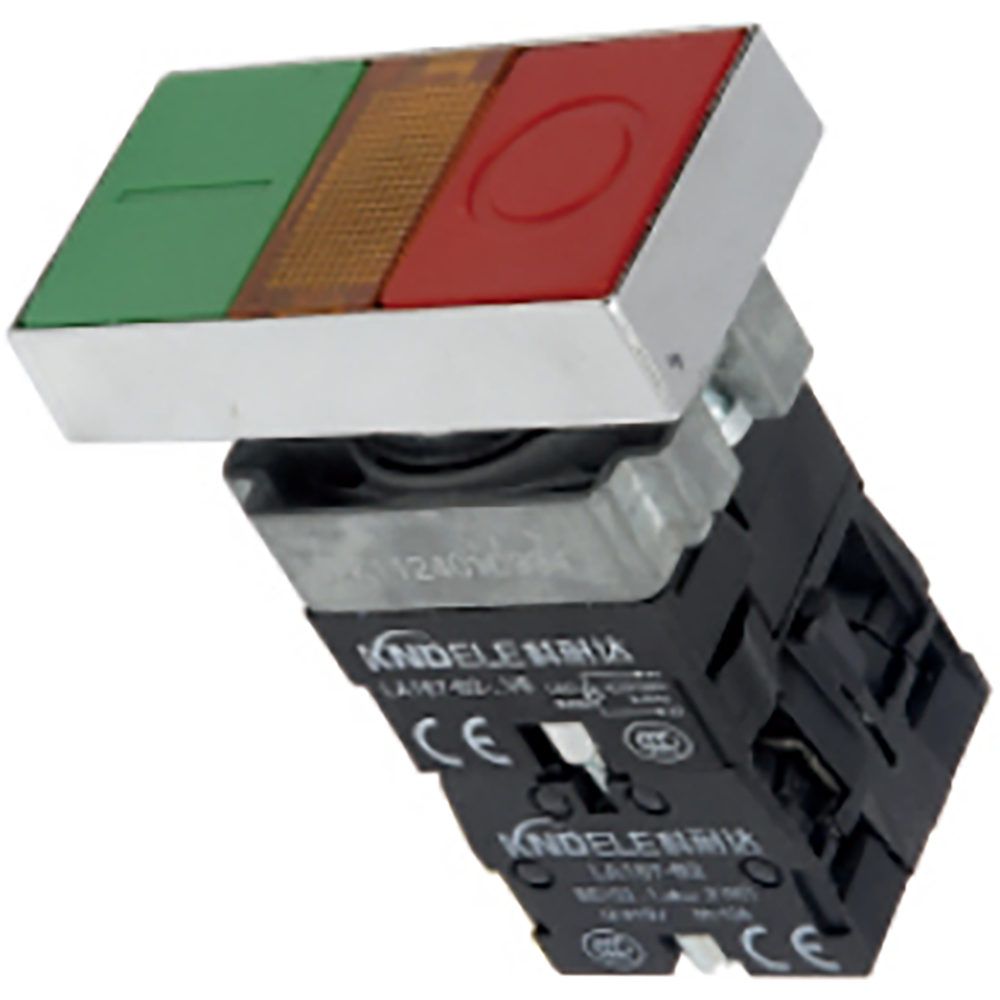
CE Certificate:
Nature: Mandatory self-declaration mark.
Core Directives: Low Voltage Directive (LVD), Electromagnetic Compatibility Directive (EMC), etc.
Key Point: Affixing the CE mark indicates the product conforms to all relevant EU legislation, serving as its legal “passport” into the EU.
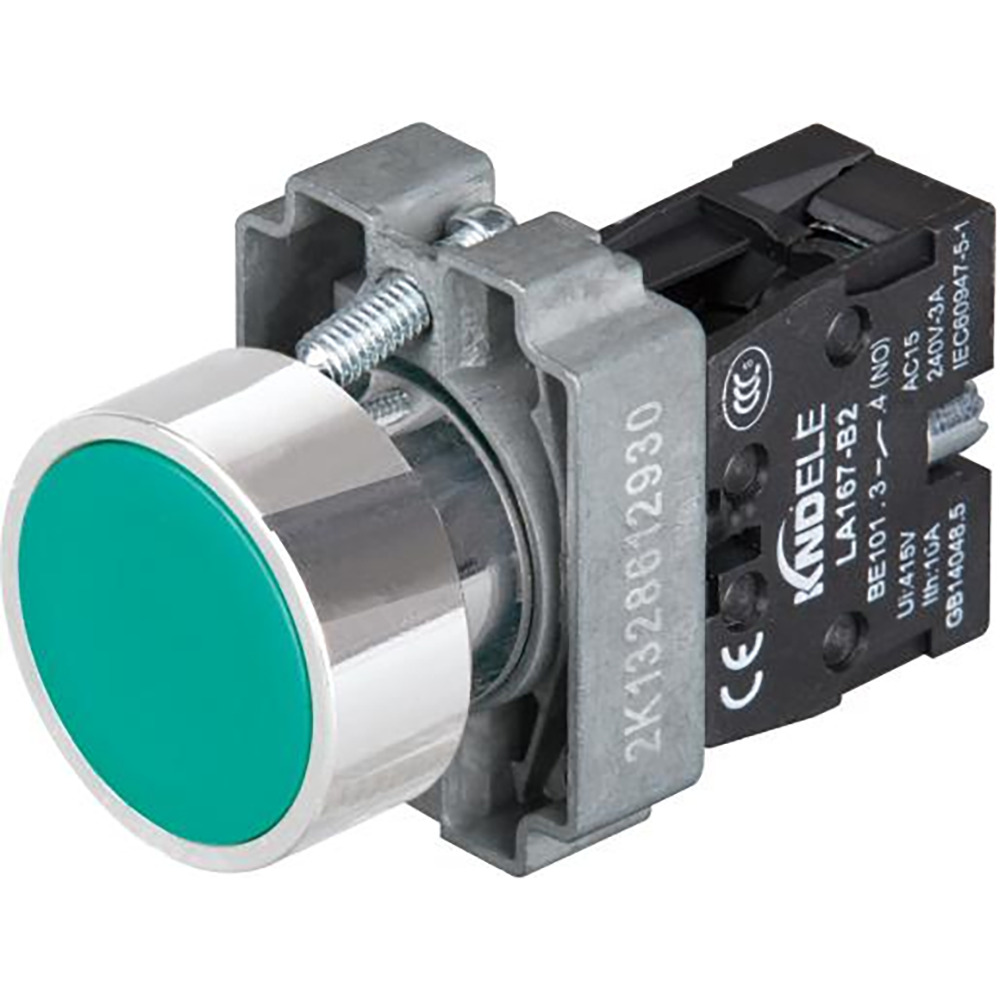
TUV and Other Notified Body Certifications:
Nature: Non-mandatory but highly authoritative third-party certification.
Explanation: While manufacturers can self-declare CE conformity, certification from renowned bodies like TUV Rheinland or TUV SUD significantly boosts customer confidence by proving the product has undergone independent, rigorous testing.
◆ UL/cUL Certification:
Nature: While not entirely mandatory by law, it is widely adopted by codes and the market, making it a “de facto mandatory standard.”
Standards: UL 61058 (aligned with IEC 61058), etc.
Key Point: The cUL mark indicates compliance with Canadian standards. The UL mark has extremely high recognition in the North American market.
◆ ETL Certification:
Nature: A North American safety certification equivalent to UL, also recognized by OSHA (Occupational Safety and Health Administration).
Key Point: Provides manufacturers with an efficient and reliable alternative certification choice.
Nature: An international mutual recognition system.
How it Works: Based on IEC International Standards (e.g., IEC 61058-1). A manufacturer obtains a CB Test Report and Certificate from an NCB (National Certification Body) in one country, which is then recognized by other member countries, significantly simplifying the process and reducing costs for obtaining national certifications elsewhere.
Key Point: “One Test, Global Acceptance” – it is the best shortcut for exporting to multiple countries.
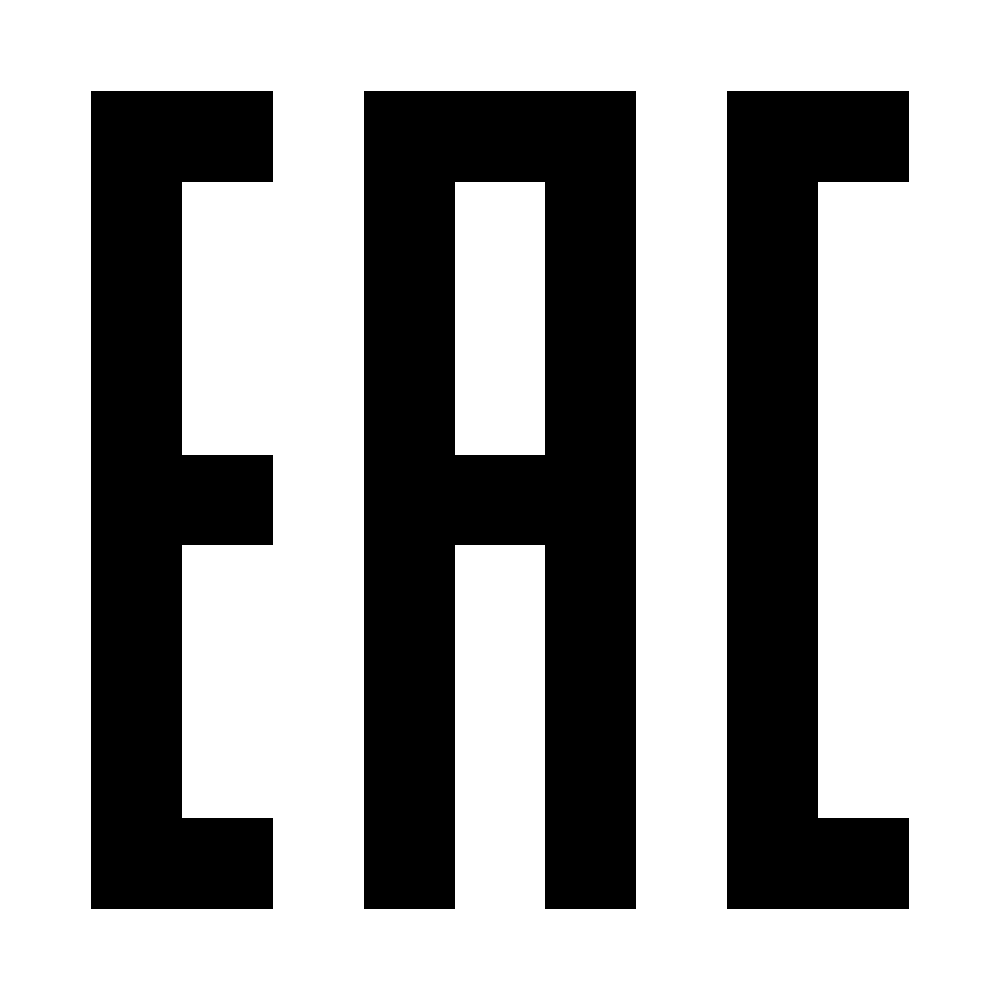
Nature: A mandatory assessment process that proves products comply with the technical regulations of the Eurasian Economic Union (EAEU).
The Geographic Scope: The EAC certificate allows a product to be imported and sold in any of the five member states of the EAEU without needing separate national certifications for each country. The member states are: Russia, Belarus, Kazakhstan, Armenia, Kyrgyzstan
Explanation: Most consumer and industrial goods require EAC certification, including: Machinery and industrial equipment, Low-voltage electronics (computers, phones, appliances), Food products and additives, Cosmetics and perfumes, Clothing and footwear (especially for children), Furniture, Toys.
Key point: One Document = Five Countries. It is your single “passport” for your goods to enter the entire Eurasian market legally.
In addition to the product-specific safety certifications mentioned above, Management System Certifications that reflect a company’s overall strength are equally crucial. They demonstrate that our factory meets international standards in quality, environment, and social responsibility.
| Certification | Core Focus | Value to Our Customers |
| ISO 9001 | Quality Management System | Ensures we consistently provide products that meet customer and regulatory requirements, with stable processes and reliable quality. |
| ISO 14001 | Environmental Management System | Demonstrates our commitment to environmental protection during production, positioning us as a responsible and sustainable partner. |
| ISO 45001 | Occupational Health & Safety Management System | Protects the health and safety of our employees, reflects our people-oriented care, and ensures production stability and product quality from the source. |
After learning about all these certifications, you might ask: “So, does your factory possess these qualifications?”
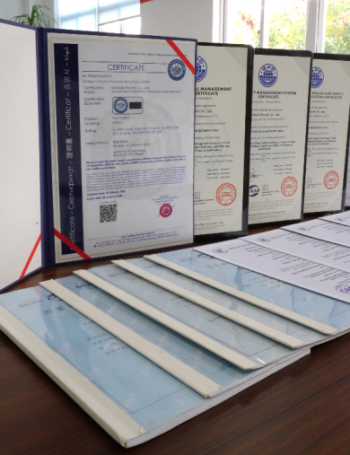
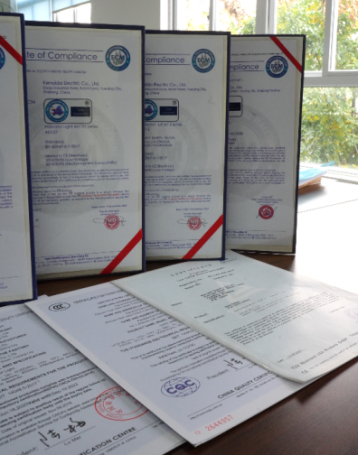
We are proud to tell you: Yes, we have them!
 |  |
As a leader in the industry, our pursuit of quality and safety never stops. Our button switch products have comprehensively passed:
Multiple international product safety certifications, including CCC, CE, TUV, and CB.
Our factory has established robust management systems and has been certified to international standards including ISO 9001, ISO 14001, and ISO 45001.
These certificates are not just framed on the wall; they are integrated into every step of our process, from design and material selection to production and testing. Choosing us means you are not just selecting a button switch; you are selecting a solemn commitment to safety, a passport for smooth global access, and a stable, long-term partnership.
Contact us today and let our safety-compliant switches safeguard your products!